
Pruning
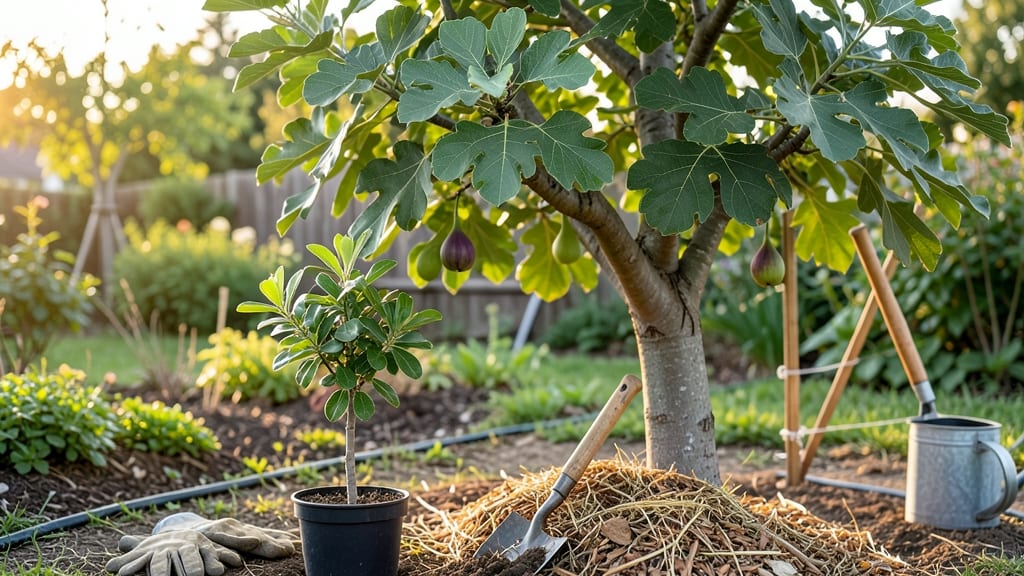
For the best fig tree planting location, choose a warm, sunny spot with well-draining soil and protection from strong winds. These trees need at least 6 hours of sunlight daily, thrive in temperatures between 60-90°F, and avoid frost-prone areas or waterlogged ground. USDA Zones 7-11 are ideal for optimal growth.
Fig trees are sun worshippers—they need bright, direct sunlight for at least half the day to produce sweet, flavorful fruit. 🌞 Without enough light, your tree might grow leaves but skip the fruit entirely.
I’ve seen figs in partial shade still produce, but the fruit tends to be smaller and less sweet. The key is finding a spot where the tree gets morning sun and afternoon light without being scorched by midday heat.
Sheltered areas—like near a south-facing wall or fence—help protect the tree from harsh winds while trapping warmth.
Soil is just as important as sunlight. Fig trees hate soggy roots, so well-draining soil is a must—think sandy loam or amended garden soil with compost. If your yard stays damp, raise the planting area or use containers with drainage holes.
The ideal soil pH is slightly acidic to neutral (6.0-7.0), but figs are forgiving if you amend the soil properly. I always test my soil before planting and mix in perlite or coarse sand to improve drainage.
💡 In This Article
- Optimal Sunlight and Temperature Requirements for Fig Trees
- Best Soil Types and Planting Spots for Healthy Fig Trees
Optimal sunlight and temperature requirements for fig trees
Fig trees are heliophytes, meaning they rely on sunlight for photosynthesis and fruit production. The leaves contain chlorophyll that converts light into energy, but figs need intense light (6+ hours daily) to trigger the hormonal signals that develop fruit.
Without sufficient sunlight, the tree may produce leaves but skip fruiting entirely. I’ve observed that figs in partial shade still grow, but the fruit tends to be smaller, less sweet, and lower in yield—sometimes up to 50% less productive than sun-exposed trees.
The ideal temperature range for fig trees is 60-90°F, with active growth occurring between 70-85°F. Heat above 95°F can stress the tree, causing leaf drop, while temperatures below 50°F slow growth.
Frost is deadly—even a light freeze (28°F) can kill the tree, though some varieties tolerate brief dips to 20°F with protection. 🌡️ The key is understanding your local microclimate: a south-facing wall can add 10-15°F of warmth compared to open areas, extending the growing season.
Microclimates matter more than you’d think. For example, a fig tree planted against a brick wall in USDA Zone 7 might thrive year-round, while one in an open field could struggle. The wall absorbs and radiates heat, creating a warmer pocket of air.
Similarly, urban areas with pavement and buildings can be 5-10°F warmer than rural zones, making them surprisingly good spots for figs. If you’re in a cooler zone, choose a sheltered location near a heat-retaining surface like stone or concrete.
Temperature also affects fruit ripening. Figs need consistent warmth to develop properly—cool nights (below 60°F) can delay ripening or cause the fruit to split. In my garden, I’ve noticed that figs ripen 2-3 weeks earlier when planted near a sunny wall compared to open ground.
The trapped heat accelerates the metabolic processes that turn green figs into sweet, edible ones. If you’re in a frost-prone area, consider container planting so you can move the tree indoors during winter.
One common mistake is assuming "full sun" means all-day baking. While figs love sunlight, they can suffer from heat stress if exposed to direct midday sun without shade. In hot climates (Zones 9-11), provide afternoon shade to prevent leaf scorch.
A simple 30% shade cloth can make a huge difference. I’ve seen figs in 100°F+ temperatures wilt without protection, but with afternoon shade, they recover quickly and keep producing fruit.
Finally, wind plays a hidden role. Strong winds dry out leaves and damage tender shoots, especially in young trees. A sheltered spot—like near a fence or building—reduces wind exposure by up to 70%.
I always recommend planting figs where they’ll get morning sun and afternoon warmth without gusts. This balance is what turns a struggling tree into a productive, fruit-bearing powerhouse. 🌿