
Light Requirements
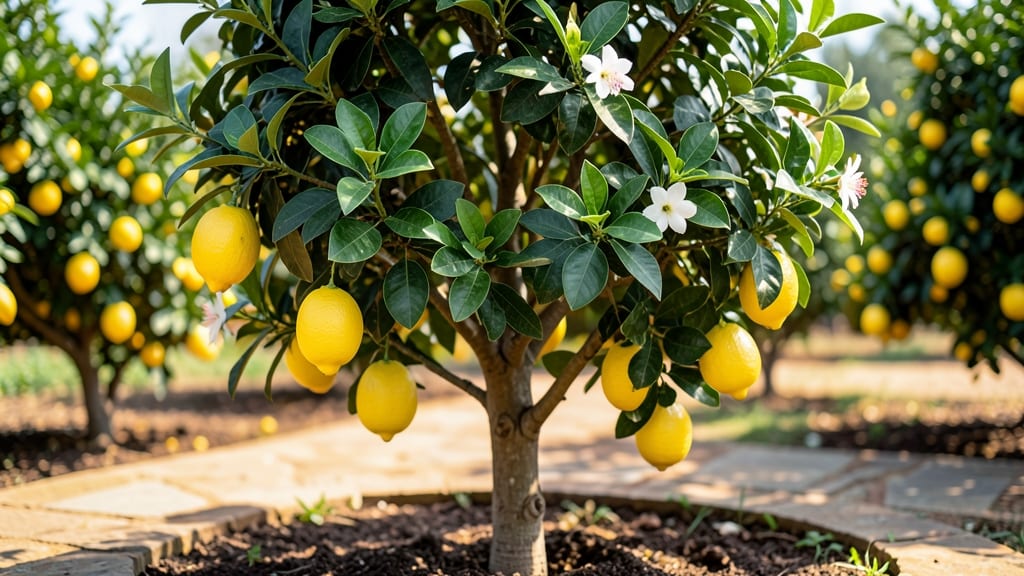
A lemon tree thrives with the right sunlight requirements—6 to 8+ hours of direct sunlight daily—the exact balance that turns bitter leaves into sweet, juicy fruit.
Struggling to keep your lemon tree alive? The secret to juicy, abundant fruit lies in sunlight—get it wrong, and you’ll end up with bitter leaves and no harvest.
Too little light, and your tree will stretch toward the sun, growing weak and leggy. Too much, and those bright leaves you love will scorch into crispy brown edges.
Here’s how to nail the sunlight formula for your lemon tree, whether it’s basking in a sunny yard or perched on a city balcony. We’ll cover seasonal tweaks, signs of trouble, and the best spots to place it for maximum fruit.


How many hours of sunlight does a lemon tree need daily?
Lemon trees are sun-worshippers—they crave 6 to 8+ hours of direct sunlight daily to produce sweet, juicy fruit. Without enough light, your tree will struggle to grow, develop bitter-tasting lemons, or even flower at all.
But here’s the catch: not all lemon trees are created equal. A standard lemon tree in your backyard has different needs than a dwarf lemon tree in a container on your patio.
Sunlight needs also shift with the seasons. In summer, your tree might get 10+ hours of natural light, but in winter, shorter days can drop exposure to just 4-6 hours.
That’s why understanding how to measure sunlight exposure and adjust care is key to keeping your tree thriving year-round. Let’s break it down by type and season so you can give your lemon tree the perfect light prescription.
Standard lemon trees, like the Eureka or Lisbon varieties, are the sun-hungry giants of the citrus world. They need 6 to 10 hours of direct sunlight daily to thrive, especially if you’re dreaming of a heavy harvest.
These trees grow tall—15 to 20 feet—so they’re best suited for backyard gardens or large containers where they can stretch toward the sky.
In winter, when days shorten, they might only get 5 to 6 hours of sunlight, which is why you’ll often see them flowering and fruiting less during these months.
Dwarf lemon trees, particularly the popular Meyer lemon, are more adaptable. They’re happy with 4 to 6 hours of sunlight daily, making them ideal for patios, balconies, or even indoor growing near south-facing windows.
Their smaller size—8 to 12 feet at maturity—means they’re perfect for containers, but don’t skimp on light. Even dwarf varieties need bright, indirect light indoors or a sunny outdoor spot to produce fruit.
In winter, rotate their container every few weeks to ensure even light exposure on all sides.
If you’re growing your lemon tree in a container or pot, sunlight needs shift slightly. While they still require 6 to 8 hours of direct sun, potted trees are more vulnerable to overheating and leaf burn during peak summer hours.
To protect your tree, provide 2 to 3 hours of afternoon shade when temperatures soar above 90°F (32°C). Use a lightweight shade cloth or move the pot to a spot with dappled shade during the hottest part of the day.
Measuring sunlight exposure accurately is easier than you think. Start by observing your yard or balcony from sunrise to sunset. Use a sunlight tracker app or a simple DIY method: place a white piece of paper or a solar-powered calculator in your desired planting spot for a full day.
Mark the hours it’s exposed to direct sun—anything less than 6 hours daily means your lemon tree will struggle.
For indoor growers, a light meter (available for under $20) will tell you if your south-facing window provides enough 10,000+ lux of light, which is the sweet spot for citrus trees.
Seasonal adjustments are non-negotiable for lemon trees. In spring and summer, when days are long, your tree will soak up 10+ hours of sunlight naturally. But in fall and winter, shorter days can drop exposure to just 4 to 6 hours.
If you notice leaves yellowing or fruit dropping, it’s a sign your tree needs more light. Supplement with a full-spectrum grow light for 12 to 14 hours daily during winter months, especially if you’re growing indoors or in a high-latitude climate.
One common mistake gardeners make is assuming “morning sun is enough”. While morning sunlight is great, lemon trees need a mix of morning and afternoon sun to produce fruit. The afternoon sun (between 10 AM and 4 PM) is when citrus trees perform photosynthesis most efficiently.
If your tree is only getting morning sun, consider relocating it to a sunnier spot or using a reflective surface, like a white wall or mirror, to bounce extra light onto the leaves.
Pro tip: If you’re in a cooler climate (USDA Zones 8 and below), choose a dwarf or semi-dwarf lemon tree and grow it in a container.
This gives you the flexibility to move it indoors during winter or place it under a greenhouse or cold frame to extend its growing season. Even a sunroom or well-lit garage can work if you supplement with grow lights. The goal?
Keep your lemon tree in at least 6 hours of bright light year-round,
Signs your lemon tree isn’t getting enough (or too much) sunlight
Your lemon tree might be silently screaming for help if its leaves are turning pale or crispy. Sunlight deficiency or excess shows up in subtle (and not-so-subtle) ways.
Without the right balance of 6-8+ hours of direct sun, your tree struggles to produce fruit, grow properly, or even stay alive. Let’s decode the clues your tree is giving you.
First, check the leaves. If they’re yellowing between the veins, your tree is likely starved for sunlight. This condition, called chlorosis, means the tree can’t make enough chlorophyll.
On the flip side, if leaves develop brown, crispy edges or look scorched, your tree is getting too much harsh sunlight, especially in hot afternoons. Both extremes tell a story—your tree’s environment isn’t quite right.
Sunlight Balance for Lemon Trees
✅ Too Little Sunlight
- Pale yellow leaves (chlorosis)
- Leggy, weak growth (stretching toward light)
- No fruit production or tiny, bitter lemons
- Soft, sparse new leaves
❌ Too Much Sunlight
- Brown, crispy leaf edges (sunburn)
- Premature fruit drop (lemon blight risk)
- Stunted growth (stress from heat)
- Thin, papery leaves (water stress)
If your lemon tree is dropping fruit before it ripens, that’s another red flag. Excessive heat or intense sunlight can cause stress, leading to fruit drop. Even worse, lemons may form but stay small, hard, and tasteless.
This happens when the tree diverts energy to survival instead of fruit development. To fix this, provide afternoon shade during peak summer months or use a reflective mulch to bounce light away.
Don’t overlook the soil and roots. A tree struggling with sunlight often has root issues too. If the soil stays too wet (from poor drainage) or too dry (from overwatering stressed leaves), roots can’t absorb nutrients efficiently.
Always pair sunlight adjustments with well-draining soil and consistent watering—deep soaks every 2-3 days in summer, less in winter. A moisture meter helps track soil health.
For container-grown lemon trees, sunlight needs are even trickier. Pots heat up faster, and roots can bake in direct sun. If your potted tree’s leaves curl or wilt by midday, it’s overheating.
Move it to a shadier spot or elevate the pot off the ground to improve airflow. Dwarf varieties need at least 4-6 hours of sun, but they’re more forgiving than standard trees. Rotate the pot weekly so all sides get even light exposure.
Remember, seasonal changes matter too. In winter, your lemon tree might thrive in full sun, but in summer, afternoon shade becomes crucial. Watch for leaf scorch—tiny brown spots on leaf edges—during heatwaves.
If you see this, act fast: water deeply in the morning and trim affected leaves to encourage new growth. With the right balance, your lemon tree will reward you with juicy, abundant fruit year after year. 🌿☀️