
Flowers
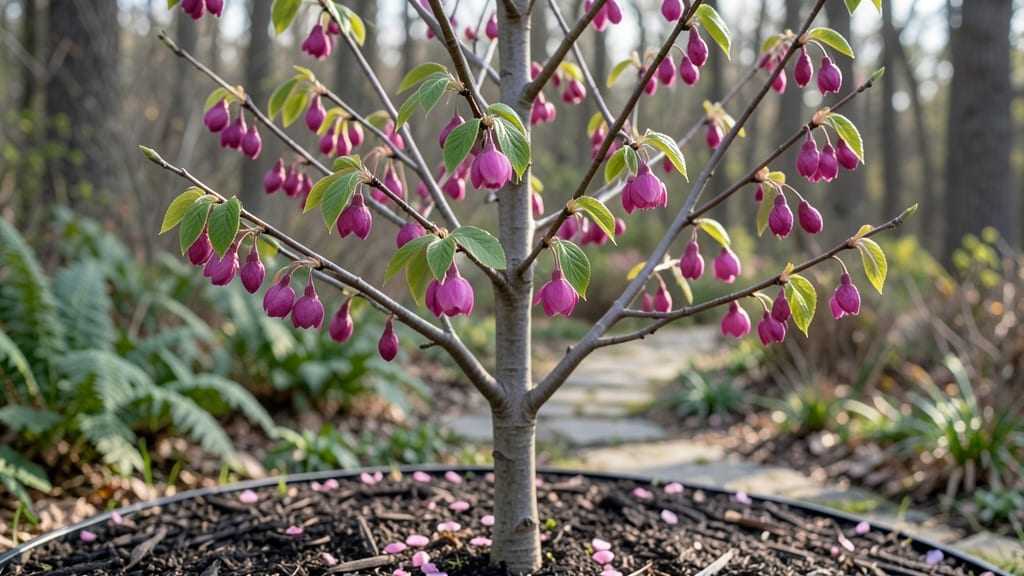
Pink blossoms that turn your yard into a springtime dream. 🌸 The right tree with little pink flowers doesn’t just add color—it creates a buzzing, humming ecosystem that makes your garden the neighborhood’s secret spot.
I’ve planted three varieties in my front yard, and each one attracts bees, butterflies, and birds like nothing else. Start with a Japanese quince for early spring drama—its fragrant pink blooms arrive before most trees even think about waking up.
Or choose a Kousa dogwood for delicate, star-shaped flowers that last for weeks. Both thrive in partial shade and handle most soil types, making them perfect for almost any yard.
By late spring, your tree will be covered in blossoms, while companion plants like lavender, catmint, and Russian sage keep the color going. The scent alone makes spring feel like a fairy tale, and the pollinators? They’ll thank you for years.
Works in small gardens, large landscapes, or even as a striking street tree. Here’s how to pick the perfect one for your space!
Behind the Pink Bloom Magic
Those delicate clusters of little pink flowers on your tree aren’t just a pretty sight—they’re the result of a carefully orchestrated biological symphony. Understanding why these blooms appear helps you nurture them (or even encourage more of them!) in your pollinator garden.
Let’s dive into the science behind the spring spectacle.
The most obvious reason for those charming pink blooms is seasonal change. As temperatures rise and daylight hours lengthen, trees like the Amelanchier (serviceberry) or Prunus (cherry) species shift from dormancy to growth mode. Here’s how it works:
- Photoperiodism: Many flowering trees rely on day length to trigger blooming. Shorter winter days signal dormancy, while longer spring days kickstart flower production via hormones like florigen.
- Chilling Requirements: Some trees need a period of cold (often 4–8 weeks below 40°F/4°C) to "reset" their biological clocks. Skip this, and blooms may be sparse or delayed.
- Actionable Tip: If your tree isn’t flowering well, check its USDA Hardiness Zone compatibility. Some varieties (like Cercis canadensis, or Eastern redbud) thrive in Zones 4–9 but may struggle in warmer climates.
Pink flowers aren’t just for show—they’re advertisements for pollinators. Trees with tiny pink blooms often rely on bees, butterflies, or even hummingbirds to transfer pollen. Here’s the connection:
| Pollinator Type | How It Helps Blooms | What You Can Do |
|---|---|---|
| 🐝 Bees | Vibrate wings to release pollen from flowers like Fothergilla (witch-hazel relative). | Plant bee-friendly companions (e.g., lavender, salvia) nearby to attract them. |
| 🦋 Butterflies | Sip nectar from flat, clustered blooms (e.g., Deutzia), aiding cross-pollination. | Avoid pesticides—neonicotinoids can repel butterflies for weeks. |
| 🐦 Hummingbirds | Pollinate tubular flowers (e.g., Coralberry) while feeding. | Add a red feeder or plant hummingbird magnets like bee balm. |
Pro Tip: If your tree’s blooms look untouched by pollinators, it might be too isolated. Cluster it with native perennials to create a "pollinator buffet."
A young or stressed tree may produce fewer (or no) pink flowers. Here’s why:
- Energy Priorities: Trees under 5 years old often focus energy on root/leaf growth over flowers. Patience is key!
- Nutrient Deficiencies: Lack of phosphorus (for blooms) or potassium (for stress resistance) can stunt flowering. Yellowing leaves? Test your soil!
- Disease or Pests: Fungal infections (e.g., powdery mildew) or borers can divert energy away from flowers. Inspect for:
- 🍄 White powder on leaves (fungus)
- 🪲 Sawdust-like frass at the base (borers)
Fix It: Apply a balanced 10-10-10 fertilizer in early spring, and prune dead branches to redirect energy.
Even the most robust tree can be thrown off by unpredictable weather. Here’s how:
- Late Frosts: A sudden cold snap after buds form can kill emerging flowers. Microclimates matter! South-facing trees bloom earlier and are more vulnerable.
- Drought Stress: Flowers are metabolically expensive. If soil moisture drops below 30%, trees may abort blooms to survive.
- Actionable Hack: Mulch with 3–4 inches of wood chips to retain moisture and protect roots from temperature swings.
Not all trees with pink flowers are created equal. Some varieties are heavy bloomers, while others are lightweight due to genetics:
- Cultivar Choices: For example, Prunus serrulata ‘Kanzan’ (a flowering cherry) is bred for abundant pink blooms, while Malus ‘Red Sentinel’ (crabapple) may produce fewer but longer-lasting flowers.
- Rootstock Influence: Grafted trees (like many ornamentals) may inherit flowering traits from their understock. Ask your nursery about the rootstock if blooms are sparse.
- Native vs. Hybrid: Native species (e.g., Viburnum dentatum) often bloom reliably, while hybrids may prioritize foliage over flowers.
💡 Pro Tip: If you’re planting for maximum blooms, opt for double-flowering cultivars (like Prunus ‘Shirotae’), but note they may produce less fruit.
Revive Your Blooming Beauty
If your tree with delicate pink blossoms isn’t thriving, don’t fret—most issues have simple fixes! Whether it’s poor growth, sparse flowers, or pests, these step-by-step solutions will help your tree bounce back to its vibrant best. Let’s tackle the problems head-on with practical, garden-friendly remedies.
Cause: Overpruning, nutrient deficiency, or root stress. Solution:Revitalize your tree’s structure and health with these easy steps:
- 🔥 Prune Correctly: Trim dead or crossing branches in late winter or early spring (before blooming). Use clean, sharp pruners to avoid disease. Never remove more than 25% of the foliage at once!
- 🍳 Feed the Roots: Spread a balanced, slow-release fertilizer (like 10-10-10) around the drip line in early spring. Water it in well. For organic options, try compost or worm castings.
- 👨🍳 Improve Soil Drainage: If your tree sits in soggy soil, amend the area with sand or perlite to prevent root rot. Test soil pH—most flowering trees prefer slightly acidic (6.0–7.0).
💡 Pro Tip: Mulch 2–3 inches deep with wood chips or shredded bark to retain moisture and regulate soil temperature. Keep mulch away from the trunk to avoid rot.Cause: Over-fertilizing with nitrogen, improper sunlight, or lack of pruning. Solution:
Boost those pink blooms with these flower-friendly adjustments:
- ☀️ Optimize Sunlight: Most flowering trees need full sun (6+ hours daily). If shaded, gradually move it to a sunnier spot over a few weeks.
- 🌿 Prune for Blooms: Cut back old wood in late winter to encourage new growth (and flowers!). Avoid heavy pruning after flowering season.
- 🥗 Fertilize for Flowers: Switch to a low-nitrogen, high-phosphorus fertilizer (like 5-10-5) in early spring. Phosphorus promotes blooming!
✨ Bonus: Hand-pollinate flowers with a soft brush if bees are scarce—gently transfer pollen between blooms to ensure fruit/seed set.Cause: Aphids, spider mites, fungal infections, or borers. Solution:
Protect your tree with these targeted treatments:
| Problem | Solution | Prevention |
|---|---|---|
| 🐜 Aphids/Sap-Suckers | Spray with soapy water (1 tsp mild soap + 1 quart water) or introduce ladybugs. Repeat every 5–7 days. | Plant marigolds or garlic nearby to repel pests naturally. |
| 🍄 Fungal Spots (Powdery Mildew) | Apply neem oil spray (1 tbsp neem oil + 1 quart water + drop of dish soap). Water at base only to keep leaves dry. | Space plants for good airflow and avoid overhead watering. |
| 🪲 Wood-Boring Insects | Inject beneficial nematodes into the soil or use borer-specific insecticide (follow label instructions). | Keep the tree healthy and stress-free—weak trees attract borers. |
🔥 Emergency Fix: For severe infestations, consult a local arborist or extension service for tree-safe pesticides.Cause: Neglect, seasonal stress, or environmental factors. Solution:
Keep your tree thriving long-term with these low-maintenance habits:
- ⏰ Water Wisely: Deep water 1–2 times per week (more in extreme heat). Avoid shallow, frequent watering.
- 🌿 Monitor Seasonally:
- Spring: Fertilize + prune for blooms.
- Summer: Mulch + watch for pests.
- Fall: Reduce watering as temps drop.
- Winter: Protect from frost with burlap wraps if needed.
- 🎯 Choose the Right Tree: If your current tree struggles, opt for native varieties (like Cercis canadensis—eastern redbud—or Prunus serrulata—Japanese cherry)—they’re adapted to local climates!
🌟 Golden Rule: Observe your tree weekly! Catching issues early (yellowing leaves, wilting branches) saves time and effort.
With these fixes, your tree will be back to its pink-flowered glory in no time. Happy gardening! 🌸✂️
Frequently asked questions
Which trees have the most fragrant pink flowers?
For serious scent lovers, try Japanese quince (Chaenomeles speciosa)—its early spring blooms smell like spicy apples! Other top picks include Kousa dogwood (Cornus kousa) with its sweet, vanilla-like fragrance, and Eastern redbud (Cercis canadensis), whose delicate pink blossoms perfume the air in late winter. Plant these near patios or seating areas for maximum enjoyment.
Can I grow pink-flowering trees in containers?
Dwarf varieties like ‘Dwarf Yoshino cherry (Prunus x yedoensis ‘Akebono’) or ‘Little Princess’ Japanese maple (Acer palmatum) thrive in large containers (at least 15-gallon pots). Use well-draining potting mix and ensure the container has drainage holes. Just remember to water more frequently and fertilize every 4-6 weeks during growing season.
Why do some pink-flowering trees lose their blooms quickly?
Many trees with tiny pink flowers are ephemeral bloomers, meaning their flowers last only 5-14 days before dropping. This is normal! Trees like serviceberry (Amelanchier) and redbud prioritize pollinator visits over long-lasting displays. The trade-off is their dramatic spring show is intense but brief. For longer blooms, choose varieties like ornamental cherry (Prunus serrulata) or crabapple (Malus).
Are there pink-flowering trees that bloom in fall?
Yes! For autumn color, plant smoke tree (Cotinus coggygria) with its pinkish-purple plumes, or Japanese maple (Acer palmatum) varieties like ‘Bloodgood’ that develop pinkish tints. The Virginia sweetspire (Itea virginica) also produces fragrant pink blooms in late summer that last into fall. These trees extend your garden's seasonal interest beautifully.
How do I prevent my pink-flowering tree from getting powdery mildew?
Powdery mildew thrives in humid conditions, but you can prevent it with these tips: Space your tree for good airflow, water at the base (never overhead), and apply a baking soda spray (1 tsp baking soda + 1 quart water + drop of soap) every 2 weeks during humid months. For severe cases, use neem oil according to package instructions. Prune for sunlight penetration too!