
Pruning
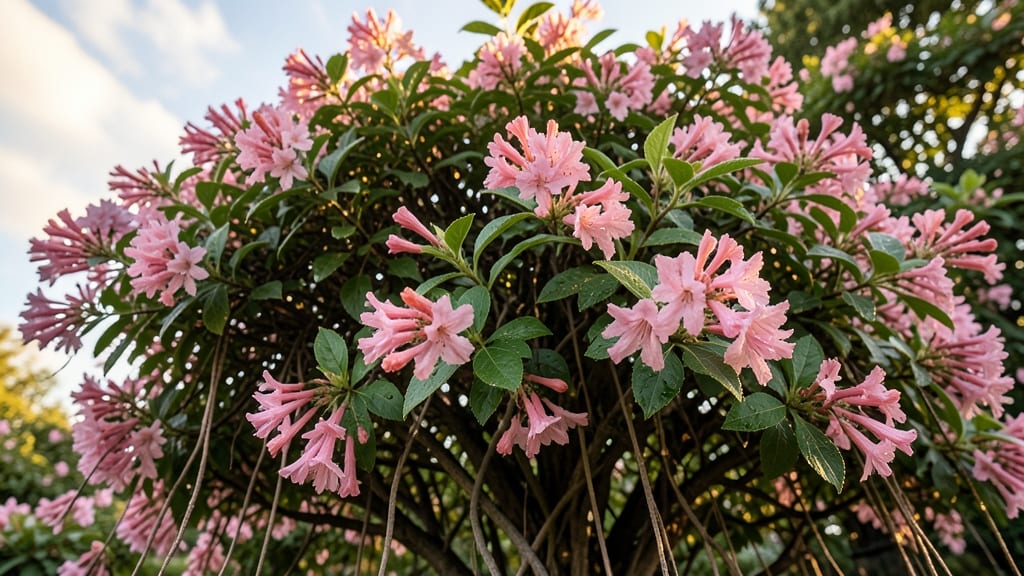
Want to add whimsical pink puff balls to your garden? These 10 stunning trees produce eye-catching blooms that transform any landscape into a colorful masterpiece—plus expert pruning tips to keep them thriving year-round.
Japanese Snowbell Tree with Pink Seed Pods
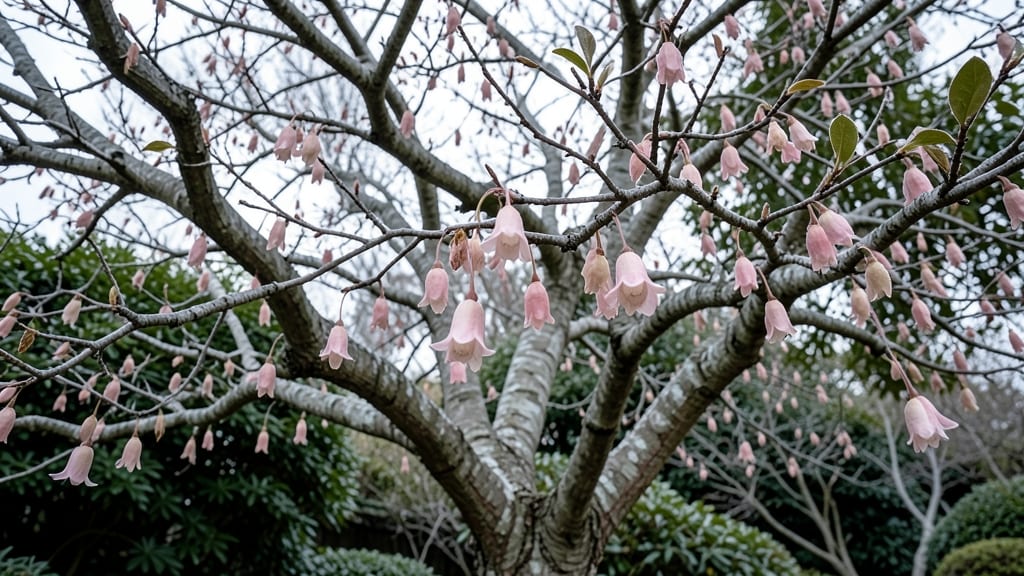
Looking for a tree that brings winter charm to your garden? The Japanese Snowbell Tree (Styrax japonicus) delivers delicate pink seed pods that persist through cold months, offering a rare splash of color when most gardens fade to brown.
This shade-loving beauty thrives in partial to full shade, making it perfect for understory plantings or woodland garden edges. Its fragrant white flowers in spring give way to those signature pink puff-like seed pods that remain attractive through winter. Prune lightly in late winter to maintain shape and encourage new growth.
Ideal for gardeners seeking year-round interest in shaded areas, this tree is especially stunning when planted near evergreens or along pathways where its soft pink accents can be enjoyed up close. 🌷
Pink Bottlebrush Tree for Vibrant Canopy Color
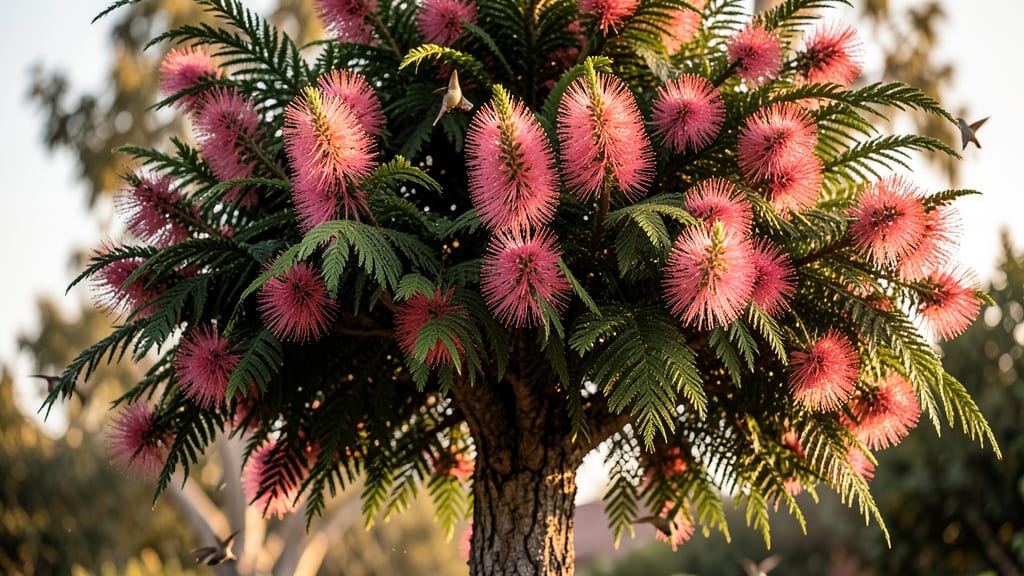
If you're dreaming of a drought-tolerant evergreen that bursts with color while requiring almost no extra water, the pink bottlebrush tree (Callistemon) is your answer. Its vibrant bottlebrush-shaped flowers bloom in shades of pink, attracting hummingbirds and adding a lively pop to warm climates.
Thriving in full sun with minimal care, this tree thrives in well-draining soil and tolerates heat and dry spells once established. Prune lightly after flowering to maintain shape and encourage new growth. Its narrow, upright form makes it ideal for small gardens or as a striking focal point in Mediterranean or desert landscapes.
Perfect for gardeners who want low-maintenance beauty without sacrificing impact, this tree delivers year-round interest with its glossy foliage and seasonal blooms. 🌟
Pink Fairy Duster Tree for Desert Gardens
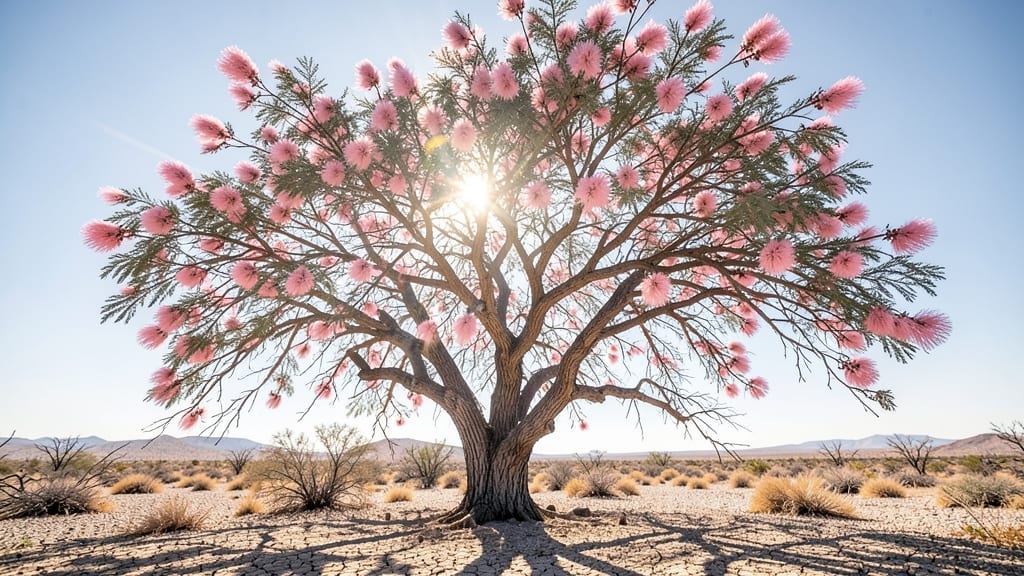
If you're dreaming of a desert garden that thrives on almost nothing, the Pink Fairy Duster Tree (Calliandra eriophylla) is your secret weapon. This native of the Southwestern U.S. and Mexico produces clouds of fuzzy pink seed clusters that look like fairy dust, adding magic to even the driest landscapes.
This drought-tolerant beauty thrives in full sun with just occasional watering once established, making it perfect for xeriscaping. Its fine, feathery foliage and delicate pink blooms create a soft contrast against rocky desert terrain. For best results, plant in well-draining soil and prune lightly after flowering to maintain shape.
Desert gardeners and xeriscape enthusiasts will love how this tree adds color without compromising water conservation. It’s also a great choice for pollinators like bees and butterflies. 🌻
Pink Fringe Tree for Season-Long Interest
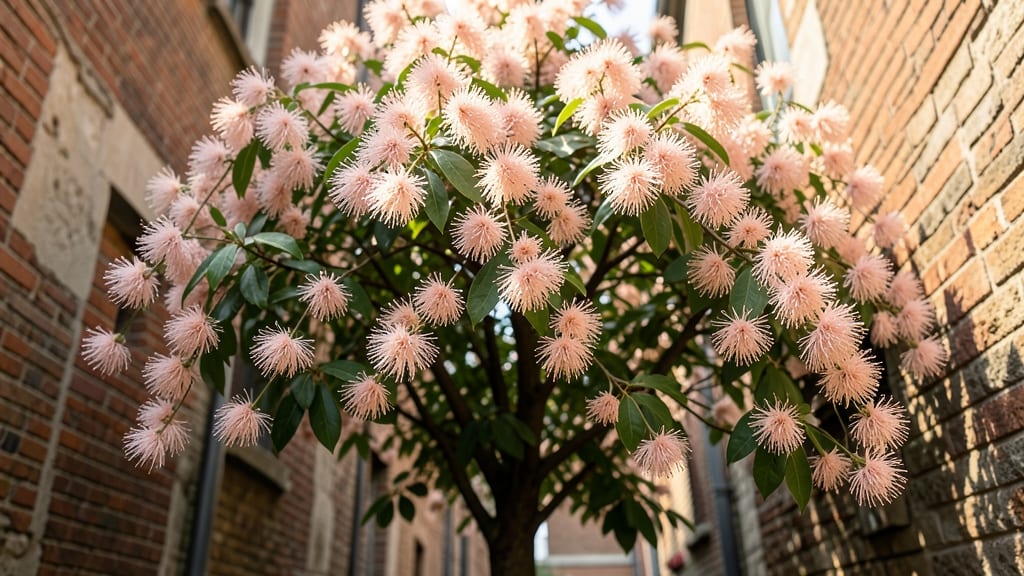
If your urban garden feels too small for big statements, the Pink Fringe Tree (Chionanthus retusus) delivers maximum impact in minimal space. This underrated tree bursts into bloom in late spring with delicate, pink puff-like flowers that cascade like confetti, lasting for weeks—long after most spring bloomers have faded.
Thriving in USDA Zones 5-8, it adapts to both city sidewalks and suburban yards, happy with just 6 hours of sun and tolerating a range of soil types. Prune lightly in late winter to shape its rounded canopy while encouraging fresh growth for next year’s blooms. The fragrant flowers also attract pollinators, turning your small space into a buzzing hub of activity.
Perfect for urban gardeners who crave drama without the footprint, this tree’s season-long interest makes it a standout focal point. Plant it near patios or walkways to enjoy its soft pink show up close. 🌻
Pink Smoke Tree for Textured Canopy
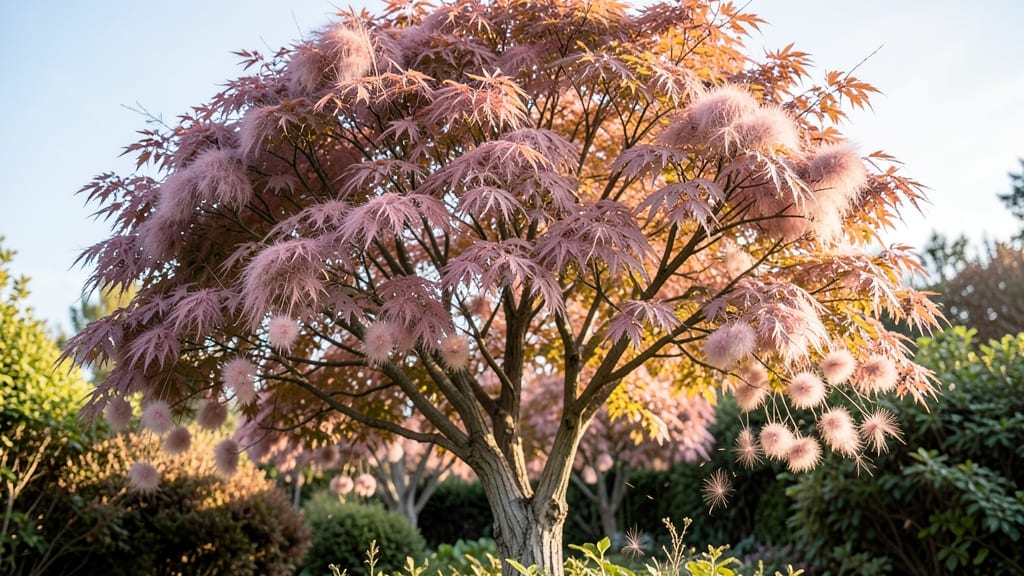
Looking for a tree that delivers year-round visual interest without the fuss? The Pink Smoke Tree (Cotinus obovatus) is your secret weapon—its pinkish-purple fall foliage and fluffy seed clusters create texture that lasts well into winter.
This small, multi-stemmed tree thrives in full sun to partial shade and tolerates a range of soils, making it ideal for layered garden designs. Prune lightly in late winter to shape its airy canopy, and watch as its smoky pink seed puffs add dimension to winter landscapes. The drought-tolerant nature means less watering once established.
Perfect for gardeners who want low-maintenance elegance with seasonal color shifts, this tree pairs beautifully with evergreens or ornamental grasses for a cohesive look. 🌻
Pink Coral Tree for Tropical Landscapes
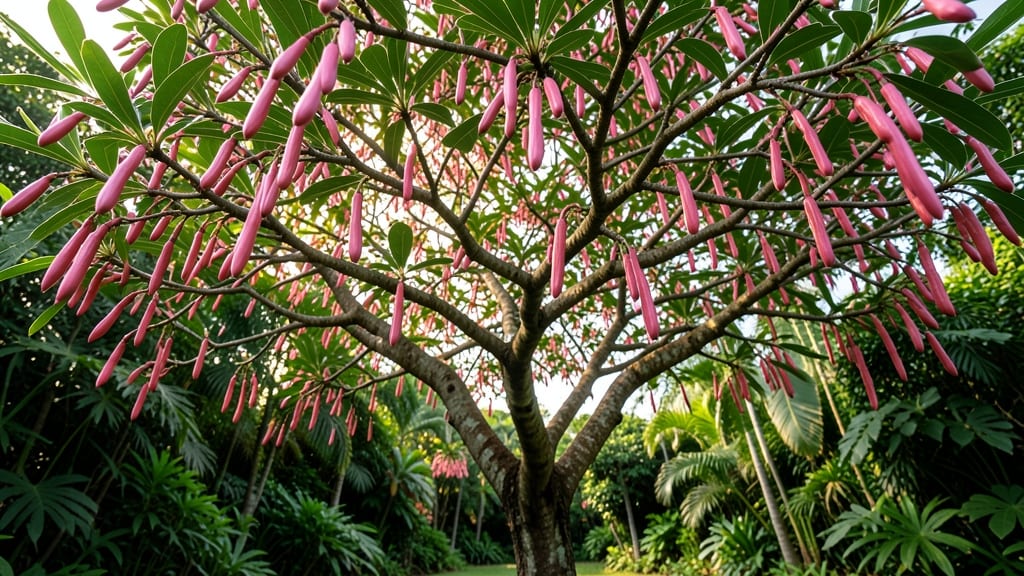
Transform your backyard into a tropical paradise with the Pink Coral Tree (Erythrina x sykesii), a stunning fast-grower that brings vibrant coral-like pink seed pods to humid climates. Unlike other trees with delicate blooms, this one thrives in heat and moisture, making it the perfect centerpiece for coastal or subtropical gardens.
This drought-tolerant yet humidity-loving tree reaches heights of 20-30 feet with striking pink seed pods that resemble coral, adding a bold tropical accent. Plant it in well-draining soil with full sun to partial shade, and watch it flourish in zones 9-11. Its deep green foliage and bright flowers attract pollinators, while its unique seed pods create visual interest year-round.
Ideal for gardeners in warm climates seeking a low-maintenance yet high-impact tree, the Pink Coral Tree is perfect for creating a lush, exotic atmosphere without the fuss. 🌟
Pink Flowering Gum Tree for Coastal Gardens
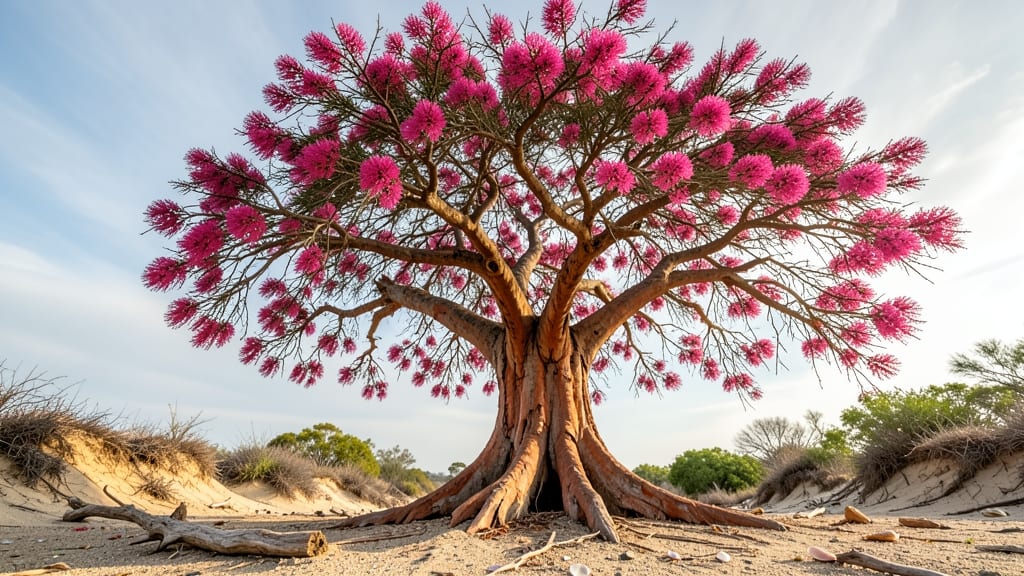
If you're dreaming of a coastal garden that thrives despite salty winds and sandy soil, the Pink Flowering Gum Tree (Corymbia ficifolia) is your answer. This stunning native Australian tree doesn’t just survive—it flourishes—with vibrant pink bottlebrush flowers that attract birds and add a splash of color to seaside landscapes.
Native to Western Australia’s coastal regions, this tree handles salt spray, strong winds, and poor sandy soils with ease, making it ideal for properties near the ocean. Plant it in full sun for optimal flowering, and water moderately once established—its deep roots make it surprisingly drought-tolerant. Prune lightly after flowering to maintain shape, but avoid heavy cuts to preserve its natural, airy form.
Perfect for gardeners in USDA zones 9-11, this tree brings both beauty and resilience to coastal gardens. Its bright blooms and wildlife-friendly nature make it a standout choice for anyone looking to create a thriving, low-maintenance seaside oasis. 🌟
Pink Royal Poinciana for Bold Statement
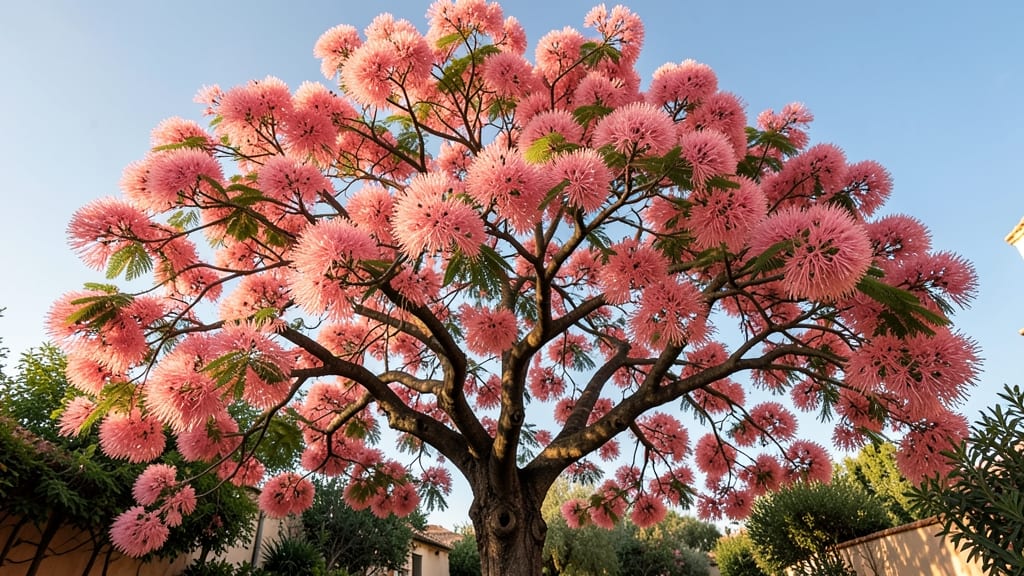
Looking for a high-impact tree that turns heads in Mediterranean-style gardens? The Royal Poinciana (Delonix regia) delivers with its dramatic pink puff-like flowers that completely cover the tree in spring, creating a breathtaking focal point. Unlike other trees with subtle pink blooms, this species produces bold, flame-shaped flowers that resemble cotton candy clouds.
Thriving in USDA zones 10-12, this tree demands full sun and well-draining soil to prevent root rot. Prune lightly after flowering to maintain shape and encourage denser blooms next season. Its striking foliage and vibrant flowers make it perfect for landscaping statements along driveways or as a centerpiece in large containers.
Ideal for gardeners seeking dramatic visual impact without the fuss of delicate blooms, the Royal Poinciana rewards patience with its season-long spectacle. Just ensure you plant it where its grandeur can truly shine! ✨
Pink Dogwood Tree for Classic Elegance
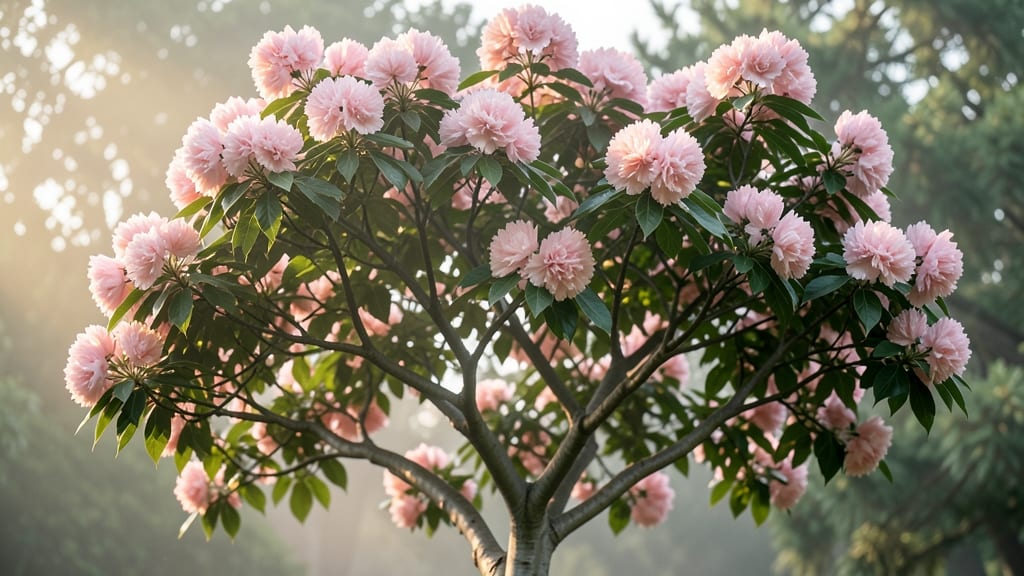
Looking for a tree that brings timeless charm to your garden with minimal fuss? The pink dogwood tree (Cornus florida) delivers soft pink bracts that resemble delicate puffs, creating a romantic focal point that thrives in partial shade—where many flowering trees struggle.
This classic deciduous tree blooms in late spring, offering year-round interest with its distinctive exfoliating bark that adds texture to winter landscapes. It adapts well to moist, well-drained soil and handles urban pollution better than many ornamental trees, making it perfect for city gardens or woodland edges. Prune lightly in late winter to shape the tree and remove dead branches, but avoid heavy pruning during bloom season.
Ideal for gardeners who love low-maintenance elegance, the pink dogwood pairs beautifully with hostas, ferns, and azaleas. Its versatile size (20-30 feet) works in both small yards and larger landscapes, offering seasonal color without the upkeep of high-drama tropical species. 🌷
Pink Honeysuckle Tree for Fragrant Beauty

If you crave a garden filled with fragrant pink blooms that draw in bees and butterflies, the pink honeysuckle tree (Lonicera sempervirens) is your secret weapon. Unlike its taller cousins, this climbing or small tree version delivers the same intoxicating scent in a compact package—ideal for trellises, arbors, or small spaces where height isn’t a constraint.
This native North American beauty thrives in full sun to partial shade and tolerates a range of soils, making it low-maintenance yet high-impact. Prune lightly after flowering to shape it, but avoid heavy cuts—its vining growth habit creates natural privacy and vertical interest. The heavily fragrant pink tubular flowers bloom from late spring to summer, attracting pollinators while filling your garden with a sweet, honey-like aroma.
Perfect for urban gardeners, balcony trellises, or small yards, this tree adds fragrance and wildlife value without overwhelming your space. Plant it near seating areas to enjoy its scent up close, or train it along a fence for a living privacy screen. 🌿