
Plants
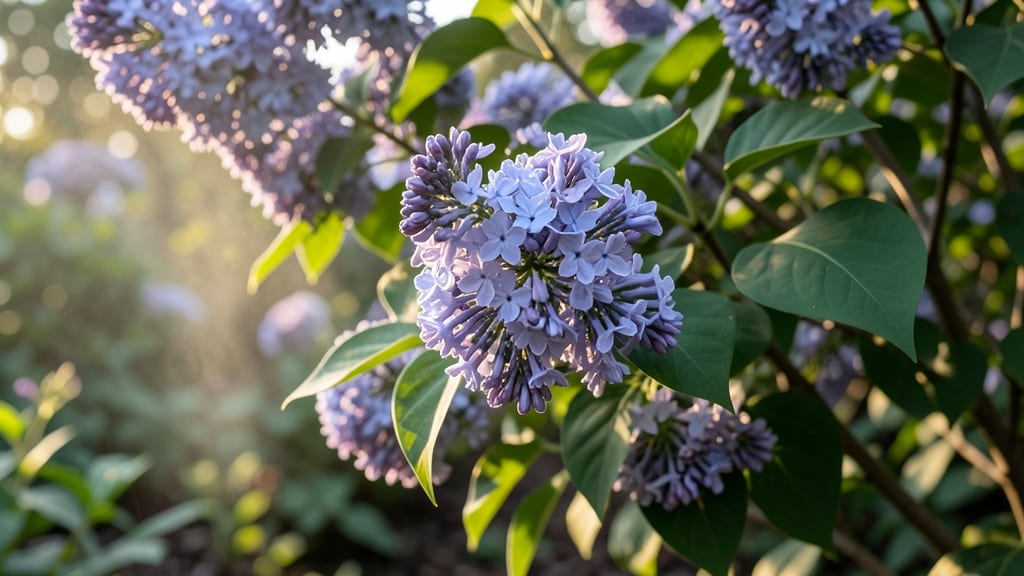
Transform your garden into a fragrant paradise with these 10 trees that naturally scent the air with lilac-like sweetness. These pollinator magnets attract bees, butterflies, and hummingbirds while filling your outdoor space with intoxicating aromas.
Syringa Vulgaris Lilac Tree
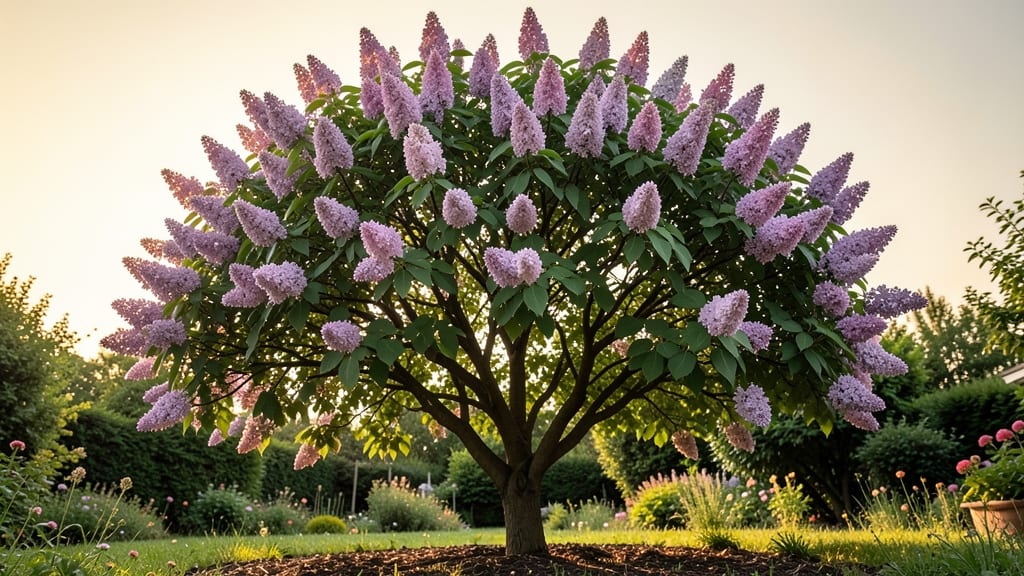
There’s no scent quite like the intoxicating fragrance of a Syringa vulgaris lilac tree in full bloom—it’s the classic aroma of childhood gardens and nostalgic landscapes. This tree isn’t just a fragrant showstopper; it’s a pollinator powerhouse that transforms any yard into a living, breathing sanctuary.
Plant your lilac where it can bask in full sun (6+ hours daily) and enjoy its late spring blooms that last for weeks. Prune right after flowering to maintain shape and encourage denser growth, and watch as bees, butterflies, and hummingbirds flock to its nectar-rich clusters. The purple, pink, or white blooms also make stunning cut flowers for bouquets.
Perfect for traditional landscapes, cottage gardens, or as a standalone specimen, the lilac tree adds timeless charm while supporting local ecosystems. It’s the ultimate fragrant centerpiece for gardeners who love both beauty and biodiversity. 🌿
Fringe Tree (Chionanthus Virginicus)
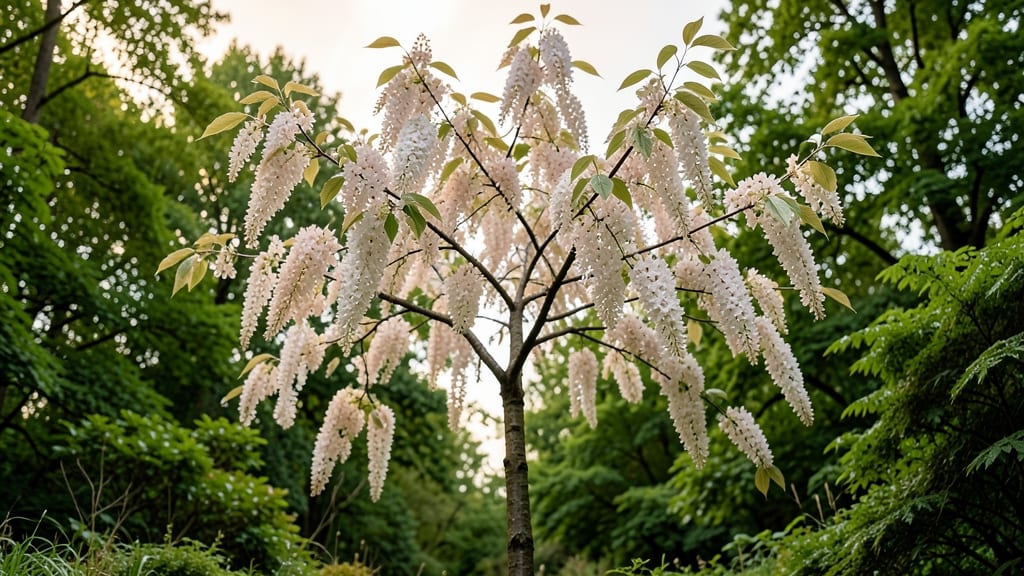
If you crave the sweet scent of lilacs but want something uniquely native, the fringe tree (Chionanthus virginicus) delivers with its delicate, white fringe-like blooms that release a soft, lilac-like fragrance. Unlike its showy purple cousin, this understated beauty thrives in moist soils and offers a quieter elegance perfect for naturalistic gardens.
Native to eastern North America, this small understory tree blooms in late spring, producing clusters of fragrant, feathery flowers that attract native pollinators like bees and butterflies. It prefers partial shade to full sun and moist, well-drained soil—ideal for rain gardens or near ponds. Its glossy green foliage provides year-round interest, while its low-maintenance nature makes it a favorite for eco-conscious gardeners.
Perfect for those seeking a native alternative to traditional lilacs, this tree adds texture and fragrance without the fuss. Plant it near seating areas to enjoy its subtle scent on warm evenings. 🌿
Mock Orange (Philadelphus Coronarius)
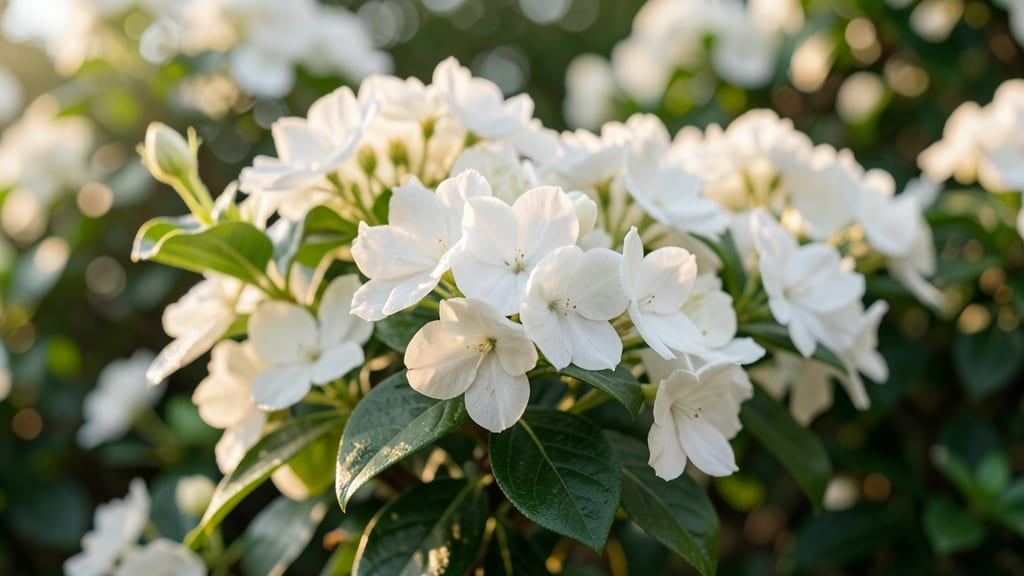
If you crave that classic lilac fragrance but need a plant that thrives in tight spaces, mock orange (Philadelphus coronarius) delivers the same intoxicating scent without the sprawling habit. Its white, star-shaped blooms pack a punch—releasing a sweet, orange-like aroma (hence the name) that’s stronger than many lilacs.
This versatile shrub handles full sun to partial shade and grows just 6-10 feet tall, making it perfect for containers or small gardens. Prune after flowering to maintain shape, and watch bees and butterflies flock to its nectar-rich blooms. Unlike true lilacs, mock orange blooms in late spring to early summer, offering fragrance when many gardens need it most.
Urban gardeners and balcony planters will love how this low-maintenance shrub fits anywhere—even on patios. Plant it near seating areas to enjoy the scent up close! 🌻
Japanese Snowbell (Styrax Japonica)
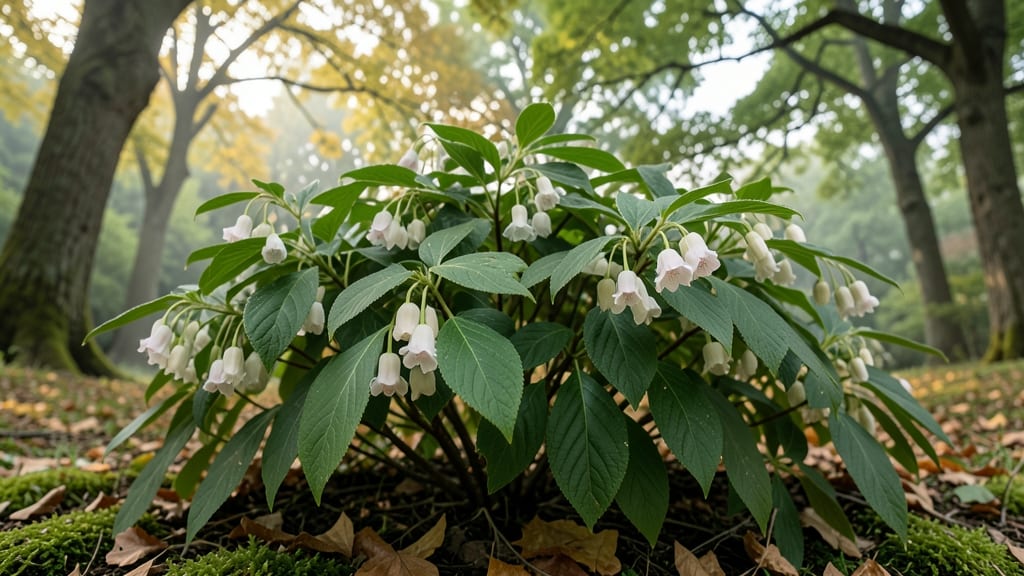
If you crave a fragrant garden escape without harsh sunlight, the Japanese Snowbell (Styrax japonica) delivers a dreamy solution. This underrated beauty thrives in shade while filling your garden with a sweet lilac-like perfume that lingers in spring and early summer.
Its bell-shaped white flowers dangle gracefully from branches, creating a cascading effect that's perfect for shaded corners, woodland gardens, or as a focal point near patios. Unlike sun-loving lilacs, this tree tolerates partial to full shade, making it ideal for northern exposures or areas where other fragrant trees struggle. Prune lightly after flowering to maintain its elegant shape, and enjoy its glossy green foliage year-round.
This exotic tree is especially rewarding for gardeners who want fragrance without the fuss of full-sun maintenance. Plant it near seating areas to fully appreciate its intoxicating scent on warm evenings. 🌿
Deutzia Shrub (Deutzia Gracilis)
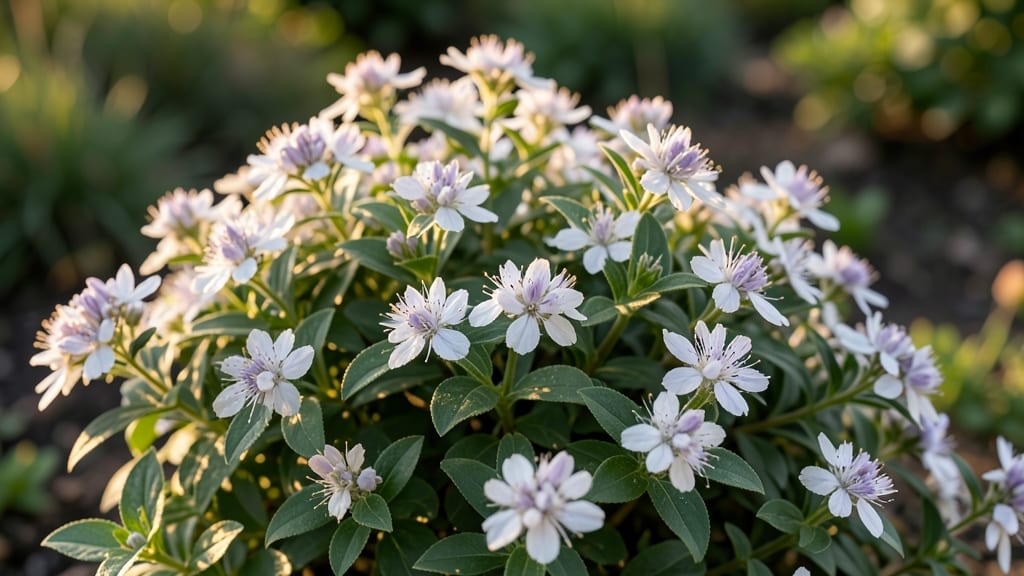
If you love the sweet scent of lilacs but want a more manageable plant, the Deutzia Gracilis shrub delivers all the fragrance with half the footprint. This compact beauty produces delicate clusters of white, lilac-like blossoms that fill the air with a gentle, sweet aroma—perfect for borders, hedges, or small gardens where space is limited.
Unlike its taller tree counterparts, Deutzia Gracilis stays under 3 feet tall, making it ideal for foundation plantings or as a pollinator-friendly hedge. It thrives in partial shade to full sun and handles both moist and well-drained soils, giving you flexibility in placement. The blooms appear in late spring, attracting bees and butterflies while providing a striking contrast against its dark green foliage.
This shrub is especially great for urban gardeners or beginners who want low-maintenance fragrance without the upkeep of larger trees. With minimal pruning and care, you’ll enjoy year-round interest—fragrant blooms in spring and sturdy structure the rest of the year. 🌷
Mock Orange Lilac (Philadelphus Lewisii)
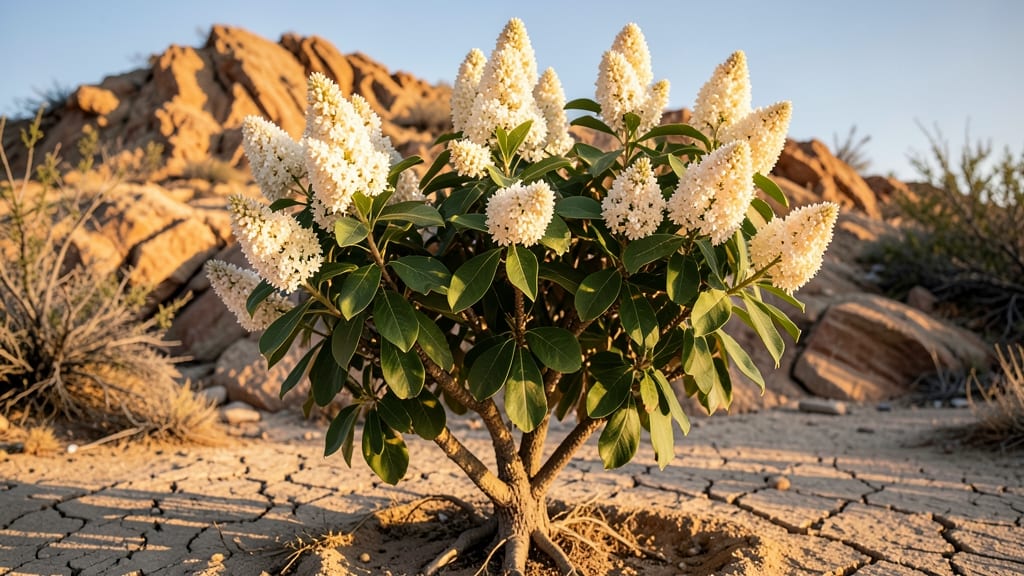
If you love the classic lilac scent but want a drought-tolerant native that thrives in dry climates, Philadelphus lewisii (Mock Orange Lilac) is your perfect match. This hardy shrub from western North America delivers an intense lilac fragrance without the fuss of high-maintenance watering.
Native to arid regions, it flourishes in full sun to partial shade and handles dry soils once established. Its white, four-petaled flowers bloom in late spring to early summer, releasing a heady scent that hummingbirds adore—making it a pollinator powerhouse. Prune lightly after blooming to maintain shape and encourage new growth.
Perfect for xeriscaping or low-water gardens, this shrub also works well as a privacy screen or focal point. Gardeners in USDA zones 5-9 will love its resilience and fragrant rewards. 💪
Sweet Mock Orange (Philadelphus Inodorus)
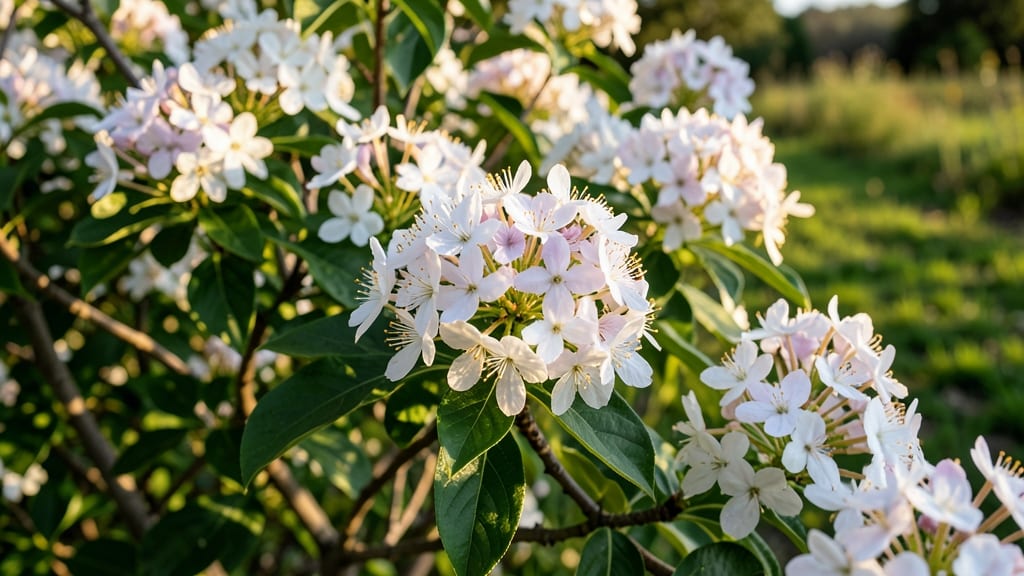
If you love the scent of lilacs but want a plant that keeps giving all summer long, Sweet Mock Orange (Philadelphus inodorus) is your secret weapon. Unlike its spring-blooming relatives, this shrub produces fragrant white flowers with delicate lilac undertones that bloom repeatedly from early summer until fall.
This versatile shrub thrives in full sun to partial shade and handles a range of soils, making it perfect for pollinator gardens. Its semi-evergreen foliage adds year-round interest, while the flowers attract bees, butterflies, and hummingbirds. Prune lightly after blooming to maintain shape and encourage more flowers.
Urban gardeners and small-space enthusiasts will love how well this shrub adapts to containers—just ensure it gets consistent moisture. The sweet fragrance makes it ideal for patios and garden paths where you can enjoy the scent up close. 🌻
Lilac Chaste Tree (Vitex Agnus-Castus)
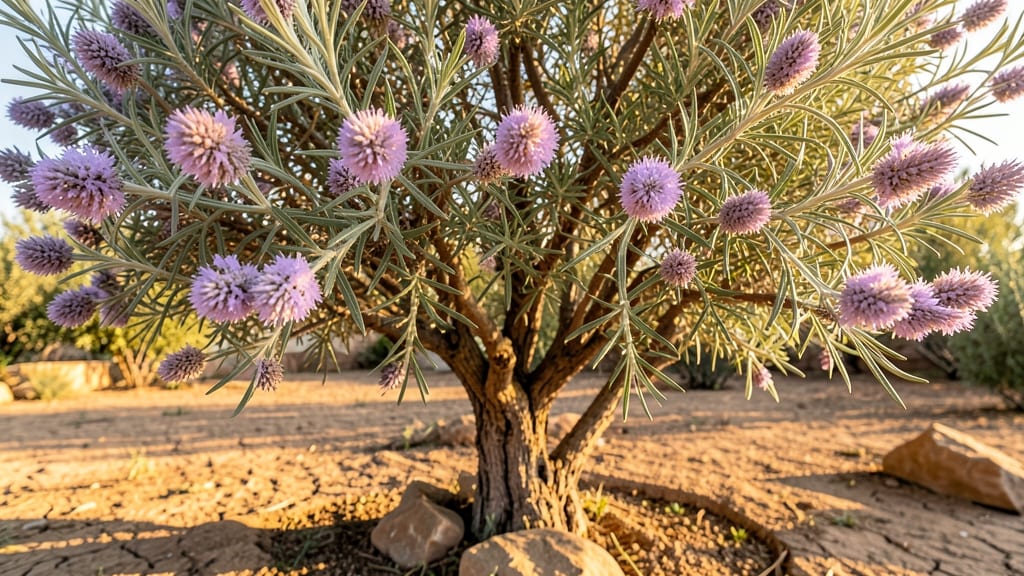
If you're dreaming of a fragrant garden that thrives in hot, dry climates without constant watering, the Lilac Chaste Tree (Vitex agnus-castus) is your perfect match. Unlike traditional lilacs, this drought-tolerant tree produces lavender-like flowers that release a sweet, lilac-like fragrance—ideal for pollinator gardens.
This versatile tree blooms from mid-summer to fall, attracting butterflies and bees while adding vertical interest to your landscape. It handles full sun exposure and well-drained soils, making it perfect for urban gardens, Mediterranean climates, or low-maintenance landscapes. Prune after flowering to maintain shape and encourage bushier growth.
Gardeners in arid regions or those seeking fragrant, low-water alternatives to traditional lilacs will love this hardy tree. Its long bloom season and pollinator appeal make it a standout in any garden. 🌻
Japanese Lilac (Syringa Reticulata)
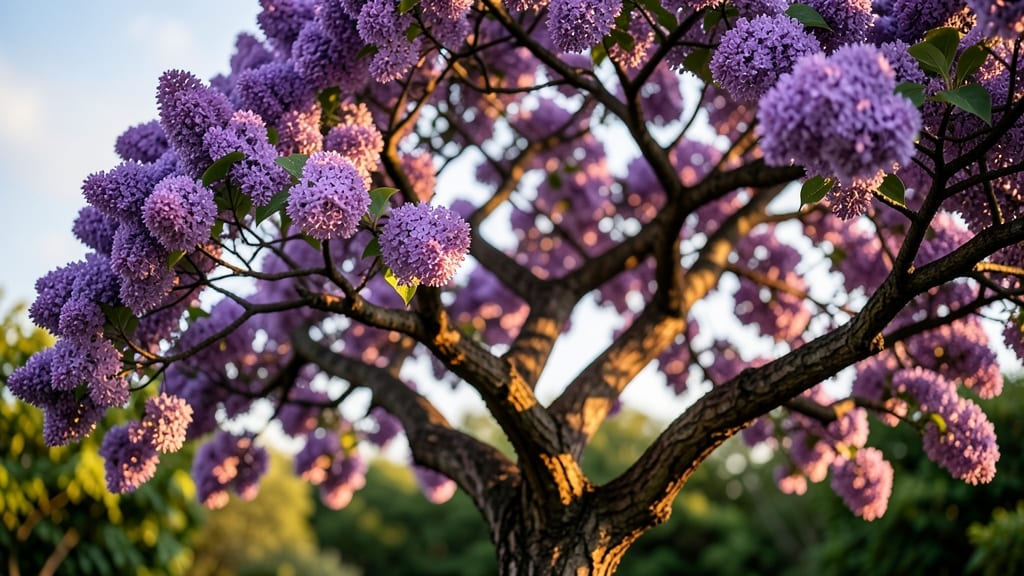
If you crave a fragrant garden escape with an exotic twist, the Japanese Lilac (Syringa reticulata) delivers a sensory experience unlike any other. This stunning tree hails from Asia and bursts with dense purple blooms that perfume the air with an intoxicating, sweet scent—stronger and more complex than its common lilac cousins.
Perfect for cooler climates (USDA Zones 4-8), this tree thrives in full sun to partial shade and reaches 15-20 feet tall, making it ideal for adding vertical drama to your landscape. Its late spring blooms (May-June) coincide with pollinators' peak activity, drawing bees and butterflies while providing a striking focal point. Prune lightly after flowering to maintain shape and encourage future blooms.
Gardeners in northern regions or those seeking a fragrant alternative to traditional lilacs will adore this tree. Its disease-resistant nature and adaptability to various soil types make it a low-maintenance star for both urban and rural gardens. 🌻
Lavender Lilac (Syringa Meyeri)

If you love the classic lilac fragrance but need a tree that fits tight spaces, Lavender Lilac (Syringa Meyeri) is your perfect match. This compact beauty combines the scent of lilacs with delicate lavender-blue blooms, creating a soft, romantic aroma that lingers in the air.
Growing just 6-10 feet tall, it thrives in full sun to partial shade and adapts well to containers, making it ideal for patios, balconies, or small gardens. The blooms appear in late spring, filling the air with their signature sweetness while attracting pollinators like bees and butterflies. Prune lightly after flowering to maintain its tidy shape.
Urban gardeners and small-space enthusiasts will love how this tree delivers big fragrance without taking up much room. It’s the ultimate low-maintenance option for adding a fragrant, pollinator-friendly focal point. 🌻