
Blooming
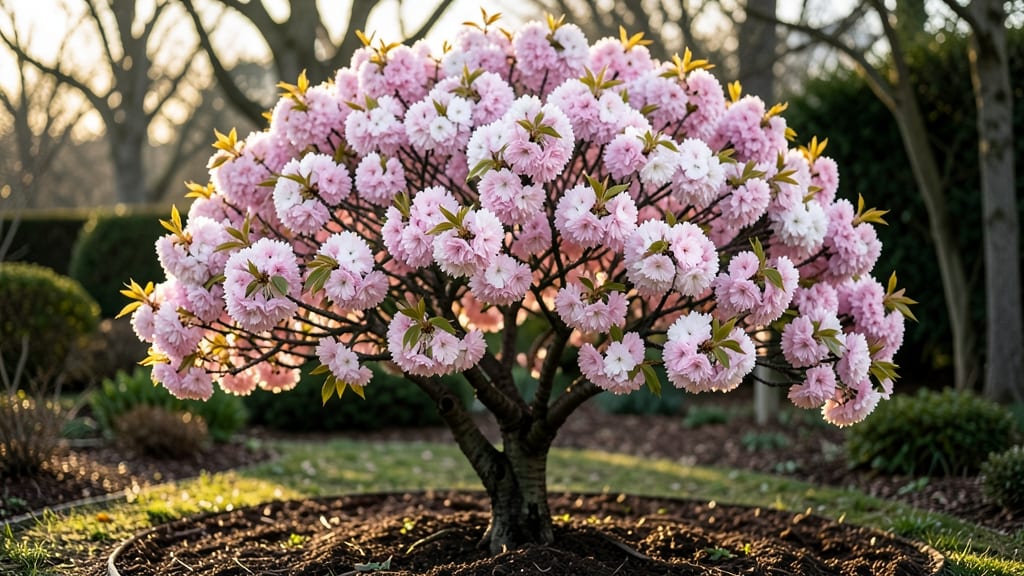
When the cherry tree blossom time transforms your yard into a dreamy pink cloud, you know spring has truly arrived. 🌸 I’ve watched my own tree go from bare branches to a breathtaking canopy in just two weeks—it’s a magical shift that turns neighbors into photographers overnight.
The timing depends on your variety and climate: early bloomers like Yoshino cherries burst into color in late March to early April, while later types like Stella Rosa peak in mid-April. Chilly winters delay blooms, while warm spells can trigger premature flowering—both risks for frost damage.
To enhance the show, prune in late winter to open the canopy for sunlight, and feed with compost to encourage vibrant blooms. Mulch helps regulate soil temperature, keeping roots happy for that perfect spring burst of color. Regional differences matter: Pacific Northwest trees bloom weeks earlier than Mid-Atlantic varieties.
Track local bloom forecasts or scout nearby trees to predict your own tree’s schedule—then plan your spring garden events around this fleeting, stunning spectacle.
📚 In This Guide
- What you need
- Instructions
- Tips and common mistakes
- Wrapping up and next steps
What you need
- ● Cherry tree saplings or bare-root trees: Choose between Prunus serrulata (Japanese cherry) or Prunus avium (sweet cherry). Opt for 3-5 gallon containers or 1-2 year-old bare-root trees for best results.
- ● High-quality potting soil: A well-draining mix (e.g., 60% topsoil, 30% compost, 10% perlite or sand). 10-15 gallons per tree.
- ● Organic fertilizer: A balanced 10-10-10 NPK blend or slow-release granules (e.g., 2-3 lbs per tree).
- ● Mulch: 3-4 inches of wood chips or shredded bark to retain moisture and suppress weeds.
- ○ Support stakes (optional but helpful): 3-4 ft bamboo stakes + soft tree ties for young trees.
- ● Watering can or hose with a gentle spray nozzle: 5+ gallons capacity for thorough watering.
- ● Hand trowel or spade: For digging holes 3x wider and as deep as the root ball.
- ● Garden gloves: To protect your hands while handling soil and roots.
- ● Pruning shears: For trimming dead branches or shaping (sterilize with rubbing alcohol!).
- ○ pH testing kit (optional but recommended): Ideal soil pH for cherry trees: 6.0-7.0.
- ● Sunlight & space: A full-sun location (6+ hours/day) with at least 20 ft of clearance around mature trees.
- ● Slow-release fertilizer spikes: For hassle-free nutrition over 3-6 months.
- ● Tree guards or protective netting: To shield young trees from pests or curious critters.
- ● Decorative stakes or garden flags: Label your trees with blossom variety names for a personalized touch!
- ● Camera or sketchbook: Document the transformation from buds to blooms—it’s pure art!
Step-by-step guide to timing cherry tree blossoms for stunning spring displays
Here's how I ensure my cherry trees burst into bloom at the perfect moment every year.
🌱 Step 1: Select the Right Variety for Your Climate
Choose a cherry tree variety that aligns with your hardiness zone. Late-winter bloomers like 'Stella Pink' thrive in zones 5-8, while early-spring varieties such as 'Kanzan' perform best in zones 6-9. I always check the USDA zone map to avoid disappointment—some varieties simply won't bloom reliably if pushed too far outside their comfort zone.
Look for trees grafted onto dwarfing rootstock if space is limited—these still produce abundant blossoms but stay manageable. The key is matching bloom time with your local frost dates. If you live in a region with unpredictable late frosts, opt for slightly later-blooming varieties to protect those delicate flowers.
☀️ Step 2: Provide Proper Winter Chill Requirements
Most cherry trees need 400-1,000 hours of chill hours (temperatures between 32-45°F) to set blossoms properly. If you're in a warm-winter area, consider microclimate adjustments like planting near a north-facing wall or using shade cloth during summer to help the tree accumulate enough chill hours.
I've learned the hard way that skipping this step leads to sparse or no blossoms. You'll know your tree is getting enough chill when you see buds forming in late winter—these are your first sign that the tree is ready for spring. If your area doesn't provide natural chill, you might need to choose a low-chill variety like 'Autumn Royal' that requires fewer hours.
💧 Step 3: Optimize Soil and Watering for Spring Bloom Preparation
Start preparing the soil in early fall by amending with 2-3 inches of compost and a balanced fertilizer (10-10-10). This gives roots time to establish before the growing season. In late winter, apply a high-phosphorus fertilizer (like 5-10-5) to encourage strong bud development—phosphorus is what helps flowers form properly.
Water deeply once a month during winter dormancy to maintain soil moisture without encouraging root rot. You'll see the difference when spring arrives: trees with consistent winter watering develop plumper buds and more vibrant blossoms. Avoid overwatering now—soggy soil in winter can suffocate roots before they're ready to grow.
⏰ Step 4: Time Pruning for Maximum Bloom Impact
Prune your cherry tree in late winter or very early spring, just before buds begin to swell. Remove any dead, diseased, or crossing branches first—these compete with healthy growth. Then, open up the center of the tree by cutting back about 1/3 of the oldest wood to encourage new growth and better air circulation.
Here's the thing—don't over-prune. Cherry trees bloom on both old and new wood, so aggressive pruning can reduce next year's blossoms. You'll know you've done it right when you see a balanced canopy with sunlight reaching all the way to the center. This ensures even blossoming across the entire tree, not just the outer branches.
🌿 Step 5: Monitor and Protect Blooms During Critical Weather Windows
Watch the forecast closely once buds begin to swell. Cherry blossoms are extremely sensitive to late frosts—temperatures below 28°F can destroy them overnight. If frost is predicted, cover the tree with frost cloth or a lightweight blanket secured with bricks or stakes. I've saved entire trees this way when an unexpected late frost hit.
Once blossoms appear, provide consistent watering—about 1-2 inches per week—to support the energy demands of flowering. You'll know your efforts are paying off when the tree is covered in blossoms within 7-14 days of bud break. The color intensity will be deepest in the mornings when temperatures are cooler—this is the best time for photos!
Tips & tricks for perfect cherry tree blossom timing
Real talk: Timing cherry blossoms isn't just about luck—it's about strategy. Here's what I've learned after years of trial and error to ensure your trees burst into bloom at the perfect moment every spring.
Variety Matters: The right cherry tree variety makes all the difference. For example, 'Stella Pink' blooms later in the season (ideal for zones 5-8), while 'Kanzan' is more reliable in warmer zones (6-9). I always check the USDA zone map before purchasing—it's saved me from buying trees that would never bloom properly in my climate. If you're unsure, ask your local nursery about frost dates in your area.
Chill Hours Are Non-Negotiable: Cherry trees absolutely need those 400-1,000 hours between 32-45°F to set buds properly. If you're in a warm-winter area, consider microclimate tricks like planting near a north-facing wall or using shade cloth during summer. I've seen trees with insufficient chill hours produce sparse blossoms—or worse, no blossoms at all. The good news? You can test your tree's readiness by looking for bud formation in late winter.
Soil Prep Makes All the Difference: Don't skip the fall soil prep! Amending with 2-3 inches of compost and a balanced fertilizer (10-10-10) gives roots time to establish before spring. In late winter, switch to a high-phosphorus fertilizer (5-10-5) to boost bud development. I've noticed trees with properly prepped soil develop plumper buds and more vibrant blossoms—it's like the difference between a dull photo and a stunning one.
Pruning Precision: When pruning in late winter or early spring, focus on removing only dead, diseased, or crossing branches first. Then cut back about 1/3 of the oldest wood to open up the center. I can't stress enough—don't over-prune! Cherry trees bloom on both old and new wood, so aggressive cuts can reduce next year's blossoms. Aim for a balanced canopy where sunlight reaches all branches.
Pro Tips for Cherry Tree Blossom Time
- Real talk: Timing cherry blossoms isn't just about luck—it's about strategy. Here's what I've learned after years of ...
- Variety Matters: The right cherry tree variety makes all the difference. For example, 'Stella Pink' blooms later in t...
- Chill Hours Are Non-Negotiable: Cherry trees absolutely need those 400-1,000 hours between 32-45°F to set buds proper...
Frequently asked questions
about cherry tree blossom time—because every gardener deserves clarity before diving into pink perfection!When is the best time to plant a cherry tree for optimal blossoms?
Plant bare-root cherry trees in late fall or early winter (dormant season) for roots to establish before spring. Container-grown trees can go in early spring—just avoid extreme heat or frost. Pro tip: Choose a spot with full sun (6+ hours/day) and well-draining soil to prevent root rot.
How long do cherry tree blossoms last, and how can I extend their beauty?
Blossoms typically last 1–2 weeks, but timing varies by variety (e.g., Yoshino cherries bloom earlier than Kwanzan). To prolong enjoyment: Prune lightly after flowering to encourage new growth, and avoid overwatering—moisture stress shortens bloom time. Cool nights also preserve petals!
What should I do if my cherry tree isn’t blooming?
Common culprits: Young age (trees <3–5 years old may not bloom), poor sunlight, or over-fertilizing with nitrogen (prioritize balanced 10-10-10 fertilizer in early spring). Check for pests (aphids, spider mites) too— neem oil can help if infested.
Can I grow cherry trees in containers, or do they need ground planting?
Yes! Dwarf varieties (like Stella Pink) thrive in 15–20 gallon containers with drainage holes. Use well-draining potting mix and repot every 2–3 years. Note: Container trees may bloom slightly later than ground-planted ones due to root restrictions.
Will rain damage cherry blossoms, or should I cover them?
Rain won’t harm blossoms, but heavy storms can shorten their lifespan by speeding up petal drop. If frost is forecast, lightly cover trees with frost cloth (remove during the day). Avoid plastic—it traps moisture and can rott petals.
Are there early-blooming cherry tree alternatives for shorter springs?
Try these cold-hardy, early varieties:
- Okame cherry (blooms in late winter, Zone 6+)
- Weeping Higan cherry (pink blossoms in early spring, Zone 5+)
- Autumn Brilliance serviceberry (white/pink blooms + fall color, Zone 4+)
Wrapping up and next steps
Cherry tree blossom time isn’t just a fleeting moment—it’s a celebration of nature’s artistry and a reminder of spring’s promise.
Whether you’re planting your first tree or admiring the pink canopies in full bloom, this season is all about connection: to the earth, to tradition, and to the joy of renewal. 🌸
Ready to dive deeper? Start by sketching your garden’s dream layout—or simply step outside and soak in the magic of petals swaying in the breeze. Every blossom is a story waiting to unfold!