
Pests
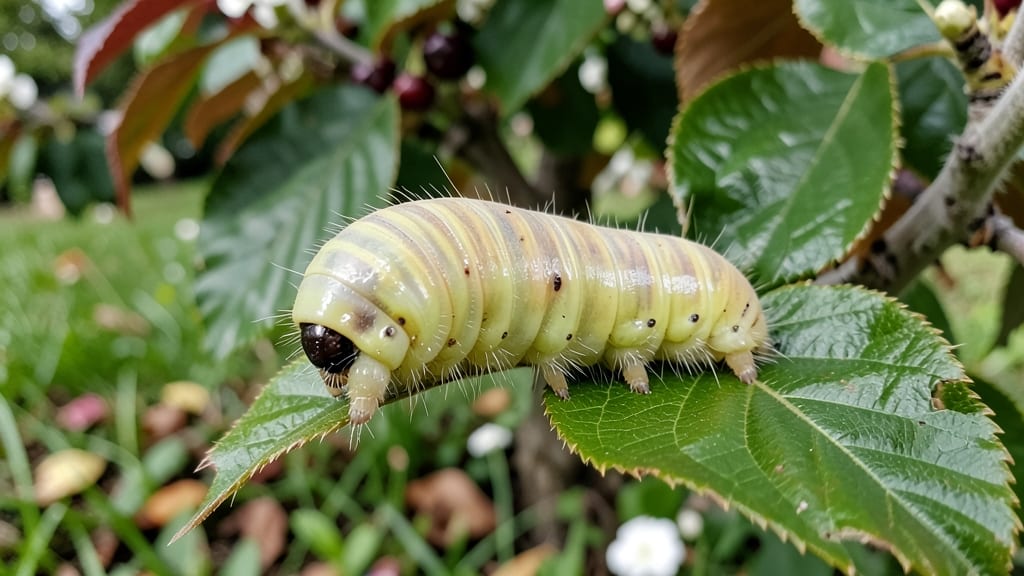
Those fuzzy green caterpillars stripping your cherry tree leaves? 🌿 I've battled them for years, and I'm sharing the effective, chemical-free methods that finally worked—no more sad, skeletonized branches by harvest time. The damage starts small: tiny holes in leaves that grow into bald spots.
These caterpillars (often Orgyia leucostigma or Regalia prunivora) target cherries, plums, and apricots, and they multiply fast. The key is catching them early before they skeletonize your tree. You'll learn how to spot their webs and egg masses, plus three natural control methods that actually work—no harsh sprays needed.
I'll show you the exact timing for releases and how to protect next year's crop. Works for home orchards, neighborhood trees, and even container-grown fruit trees. Let's save your harvest!
Root Causes Of Cherry Tree Infestations
Understanding why caterpillars target your cherry trees starts with recognizing their natural behaviors and environmental triggers. These pests—often cherry tree caterpillars like the Western black-headed budworm (Cydia pomonella) or cherry fruitworm (Grapholita funebrana)—don’t just appear randomly.
Their presence is usually tied to specific conditions that make your trees irresistible. Here’s why they strike and how to identify the patterns:
Caterpillars are drawn to cherry trees when the fruit is ripe, soft, or weakened. This happens for a few key reasons:
- Sugar Content Peaks: As cherries mature, their sugar levels rise, making them a nutritional powerhouse for hungry larvae. A single caterpillar can consume dozens of cherries in a week! - Thin Skins = Easy Entry: Overripe cherries have softer skins, allowing caterpillars to chew through without resistance.
Even wind damage or hail can create entry points. - Stress Signals: Trees under drought, nutrient deficiency (especially nitrogen or potassium), or disease produce stressed fruit that emits chemical signals caterpillars detect. Think of it like a "help, I’m weak" distress call in the insect world.
Actionable Fix:
- Harvest early if possible to remove ripe fruit before caterpillars arrive.
- Irrigate deeply during dry spells to reduce stress signals.
- Fertilize with a balanced NPK (10-10-10) formula in early spring to boost tree resilience.
Caterpillars thrive when your cherry tree offers shelter, moisture, and food—a perfect storm for infestation. Here’s how your tree might be unknowingly inviting them:
- Dense Canopy = Hiding Spots: Thick foliage provides shade and humidity, protecting eggs and larvae from predators (like birds) and drying winds.
A crowded tree is a caterpillar’s five-star hotel. - Moisture Retention: Trees near irrigation sources, low-lying areas, or with poor drainage create high-humidity microclimates—ideal for egg-laying.
Caterpillars despise dry conditions. - Wildlife Corridors: If your yard borders wooded areas, orchards, or other fruit trees, migrating adults can hitch rides on wind or animals, landing directly on your cherries.
Actionable Fix:
- Thin branches to improve airflow and reduce hiding spots.
- Adjust irrigation to avoid soggy soil (aim for 1–1.5 inches per week).
- Install row covers in early spring to block adult moths before they lay eggs.
Caterpillars don’t just show up—they time their attacks to coincide with cherry tree vulnerabilities. Their life cycle is perfectly aligned with your tree’s weakest moments:
| Stage | When It Happens | Why It’s Dangerous | Your Tree’s Weakness |
|---|---|---|---|
| Egg Laying | Late spring (May–June) | Females deposit 100+ eggs in fruit crevices. | Soft, new fruit is easy to penetrate. |
| Larval Hatch | Early summer (June–July) | Tiny caterpillars burrow inside cherries. | Fruit is still growing; damage is hidden. |
| Pupation | Late summer (August) | Larvae drop to soil to overwinter as pupae. | Trees are energy-depleted post-harvest. |
| Adult Emergence | Early next spring | Moths reappear, starting the cycle again. | Trees are vulnerable post-winter dormancy. |
Actionable Fix:
- Monitor egg-laying periods (use pheromone traps to catch adult moths early).
- Disrupt pupation by tilling soil in fall to expose overwintering larvae.
- Apply organic sprays (like Bt kurstaki) before eggs hatch (June timing is critical).
Caterpillars are opportunistic feeders, and if your cherry tree is the only game in town, they’ll move in fast. Here’s how timing plays a role:
- Early Bloomers: Trees that fruit before neighboring orchards get hit first.
Caterpillars follow the food source. - Late Harvests: Cherries left on branches past their prime become buffet-style dining for larvae. - Monoculture Risk: Planting only cherry trees (no diversity) removes natural predators like parasitic wasps or ladybugs.
Actionable Fix:
- Plant companion trees (e.g., plums, apples) to distribute pest pressure.
- Stagger harvests if possible to avoid peak infestation periods.
- Encourage predators with native flowering plants (e.g., dill, fennel, yarrow) to attract beneficial insects.
Mother Nature fuels the fire for caterpillar outbreaks. Warm, stable conditions supercharge their populations:
- Mild Winters: Fewer freeze events mean more surviving pupae the next spring.
- Hot, Dry Summers: While bad for trees, drought-stressed fruit becomes easier to digest for caterpillars.
- High Humidity: Slow-drying fruit keeps larvae hydrated and active longer.
Actionable Fix:
- Mulch trees with wood chips to regulate soil moisture.
- Use shade cloth in extreme heat to protect fruit integrity.
- Plant windbreaks to moderate temperature swings.
Sometimes, we’re the reason caterpillars show up. Unintentional actions can introduce or worsen infestations:
- Infested Nursery Stock: Buying contaminated saplings or grafts can bring caterpillars home.
- Poor Sanitation: Leaving dropped fruit, leaves, or prunings on the ground hides overwintering larvae.
- Traveling Pests: Firewood, tools, or even birds can transport eggs from infested areas.
Actionable Fix:
- Inspect new plants for eggs or larvae before planting.
- Clean up debris post-harvest (remove all fallen fruit).
- Disinfect pruners with rubbing alcohol between trees.
Final Thought: Caterpillars don’t target your cherry tree maliciously—they’re just following the science of survival. By disrupting their ideal conditions (stress, shelter, timing, and food), you can naturally reduce their numbers without chemicals. The key? Stay one step ahead of their life cycle!
Natural Ways To Restore Your Cherry Tree
If your cherry tree is under siege by caterpillars, don’t panic—there are plenty of effective, eco-friendly solutions to reclaim your tree’s health. Below, we map out targeted fixes based on the root cause of the infestation, along with prevention tips to keep your tree thriving long-term.
These methods are safe for your garden, pets, and the environment while being tough on pests.
When caterpillars are visibly munching leaves, the fastest fix is manual removal. This works best for small to moderate infestations and gives you instant gratification.
How to do it: 🔥 🕵️♂️ Scout for Damage: Inspect the tree early in the morning when caterpillars are sluggish. Look for chewed leaves, silk webbing, or frass (caterpillar droppings). 🍳 🧤 Gear Up: Wear gloves and a hat to avoid direct contact with caterpillars (some species, like tent caterpillars, can irritate skin). 👨🍳 🪰 Collect Them: Use a pair of tongs or a small net to pluck caterpillars off branches. Drop them into a bucket of soapy water (1 tbsp dish soap per gallon) to kill them instantly. 🥘 🌿 Relocate (Optional): If you prefer not to kill them, place caterpillars in a sealed container and relocate them far from your garden (at least 5 miles away). Release them in a wooded area where they won’t return. Prevention tip: 💡 Prune regularly—remove and destroy heavily infested branches to reduce caterpillar hiding spots.If you spot silk tents or webbing on your tree, you’re likely dealing with tent caterpillars (e.g., eastern or western species). These pests create communal nests where hundreds of larvae hide and feed. Disrupting the nest is key to starving them out.
How to do it: 🔥 🌪️ Identify the Nest: Look for white or gray silk tents, often on smaller branches or the tree’s trunk. They may look like large, irregular blobs. 🍳 🧹 Remove the Webbing: Use a long stick or broom to gently brush away the silk. Avoid tearing it violently, as this can scatter caterpillars. 👨🍳 🔥 Burn or Bag It: Collect the webbing in a sealed plastic bag and dispose of it in the trash (or burn it if local regulations allow). This prevents caterpillars from returning to the same spot. 🥘 🌡️ Solarize the Area: Place clear plastic wrap over the branch where the nest was (secure it with a rubber band). The trapped heat will dehydrate any lingering eggs or caterpillars within 24–48 hours. Prevention tip: ✨ Encourage predators—birds like chickadees and wrens love to snack on tent caterpillars. Install a birdhouse nearby to attract them!When caterpillars have already stripped leaves to their veins, you’ll need a barrier or repellent to stop further damage. Organic sprays are your best bet—they’re non-toxic but effective when applied correctly.
Top 3 Sprays & How to Use Them:
| Spray | How to Apply | Best Time to Use |
|---|---|---|
| 🌿 Neem Oil | Mix 2 tbsp neem oil + 1 tsp mild soap in 1 quart of water. Spray undersides of leaves (where caterpillars hide). | Evening (avoids harming bees) |
| 🍊 Horticultural Oil | Apply undiluted with a pump sprayer. Focus on buds, branches, and leaf undersides. | Late spring (before caterpillars hatch) |
| 🌶️ Spinosad (BT-based) | Spray directly on caterpillars. Reapply after rain. | Morning or evening (avoid direct sun) |
Pro tip: 🔥 Combine methods—spray neem oil in the evening, then handpick caterpillars the next morning for maximum impact.
The best way to prevent future infestations is to make your cherry tree less appealing to caterpillars. A healthy tree is resilient and less likely to attract pests.
How to build resistance: 💡 🌱 Water Deeply: Keep the root zone moist (but not soggy) to encourage strong growth. Drought-stressed trees attract more pests. 💡 🍄 Mulch Properly: Apply 2–3 inches of organic mulch (wood chips or straw) around the base to retain moisture and deter egg-laying moths. 💡 🌿 Fertilize Smartly: Use a balanced, slow-release fertilizer in early spring. Avoid over-fertilizing with nitrogen, which can make trees more susceptible to pests. 💡 🐦 Invite Beneficial Insects: Plant companion flowers like dill, fennel, or marigolds nearby to attract parasitic wasps and ladybugs, which prey on caterpillars. 🎯 Bonus Tip: 🌡️ Monitor egg masses—many caterpillars lay eggs in late summer/fall. Scrape off and destroy egg clusters (they look like small, fuzzy blobs) before they hatch in spring.With these targeted fixes, your cherry tree can bounce back—without chemicals. Start with manual removal for visible pests, disrupt nests to break their cycle, and use sprays as a last line of defense.
For long-term peace of mind, focus on tree health and natural predators. Your tree (and your sanity) will thank you!
Frequently asked questions
What do cherry tree caterpillars look like?
Cherry tree caterpillars vary by species, but common ones include fuzzy green or brown larvae with black heads (like the Western black-headed budworm) or pale green striped caterpillars (such as the cherry fruitworm). Look for silk webbing or frass (droppings) on leaves—these are dead giveaways. Some species form large communal tents.
Are these caterpillars harmful to humans or pets?
Most cherry tree caterpillars are harmless to humans and pets, but some (like tent caterpillars) may cause mild skin irritation if handled. Avoid direct contact—wear gloves when removing them. Pets might try to eat them, but they’re not toxic. The real danger is the damage they cause to your tree’s leaves and fruit!
How do I know if my tree has a caterpillar infestation?
Watch for chewed leaves, silk webbing, or tiny holes in fruit. Heavy infestations leave only leaf veins intact. Check undersides of leaves and fruit crevices—these are favorite hiding spots. If you see frass (black droppings) or egg masses (fuzzy blobs), it’s a clear sign!
Can I use chemical pesticides on my cherry tree?
Chemical pesticides can work, but they’re not recommended for organic gardens or areas where kids/pets play. If you choose this route, opt for targeted sprays like carbaryl (apply at dusk) and follow label instructions carefully. Always try natural methods first—they’re safer for your tree’s ecosystem!
Will birds or other predators help control caterpillars?
Birds like chickadees, wrens, and blue jays love to eat caterpillars. Install a birdhouse or plant native flowers (like dill or fennel) to attract them. Ladybugs and parasitic wasps also prey on caterpillars. A healthy garden ecosystem is your best defense against pests!