
Pests and Diseases
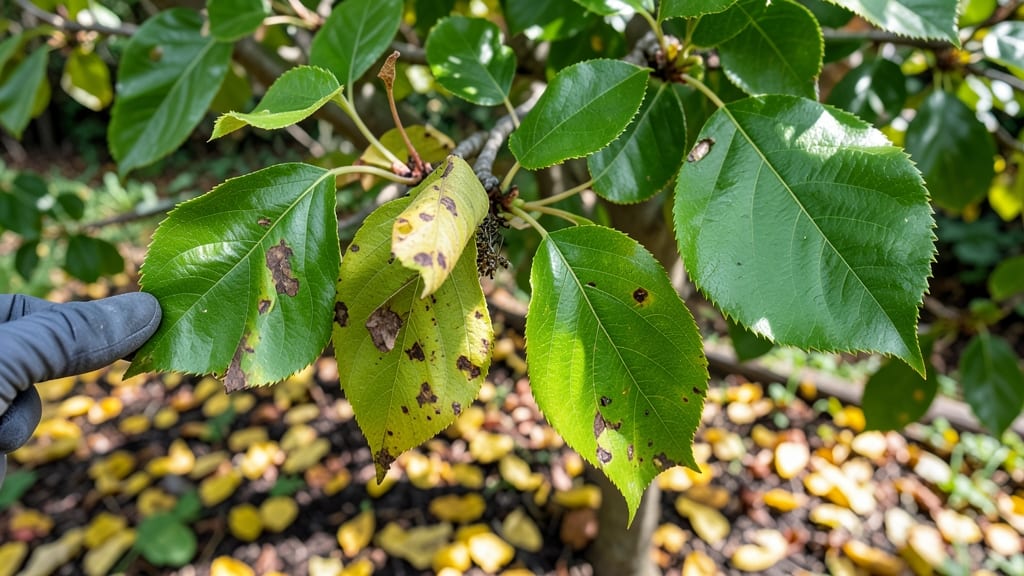
Seeing your cherry tree leaves turning yellow and falling off can feel like watching a slow-motion disaster, but there’s always a solution—and it starts with identifying the root cause. 🌿 I’ve seen this happen with everything from overwatering to fungal infections, and the good news is most problems can be stopped before they spread.
The key is acting fast, because once the leaves are gone, the tree’s energy takes a hit.
First, check the basics: watering, soil, and sunlight. Too much water or poor drainage can smother roots, while sudden drought stress forces leaves to yellow and drop. Then look closer—aphids, spider mites, or fungal spots (like powdery mildew) leave distinct clues.
Aphids cluster on new growth, while bacterial leaf spot shows up as dark, water-soaked patches. Grab a magnifying glass if you need to—this is detective work for your tree’s health.
Once you pinpoint the issue, solutions are straightforward. For pests, a strong spray of water or neem oil does the trick. Fungal problems? Prune affected branches and apply copper fungicide. Nutrient deficiencies?
A balanced fertilizer in early spring keeps leaves lush. The goal is to restore balance—whether that’s fixing water habits, boosting soil health, or clearing out pests before they take over.
Early action turns this from a crisis into a quick fix. Most trees bounce back within weeks if you catch the problem early. The worst mistake? Waiting until half the canopy is bare. Now’s the time to check your tree—before another leaf falls.
Root Causes Behind Leaf Loss
Understanding why your cherry tree’s leaves are turning yellow and dropping is the first step to saving it. 🌳💨 These symptoms rarely appear out of nowhere—they’re usually a cry for help from your tree. Below, we break down the most common culprits, their science-backed explanations, and what triggers them.
Cherry trees are hardy, but extreme conditions can push them over the edge. When leaves yellow and fall prematurely, environmental stress is often the silent saboteur.
1. Water Woes: Overwatering or Drought
- Overwatering: Soggy soil cuts off oxygen to roots, leading to anaerobic conditions (where roots suffocate).
This triggers chlorosis (yellowing) as the tree struggles to transport nutrients. 💧🚫 - Signs: Yellowing between leaf veins, mushy soil, or fungal odors. - Fix: Let the top 2–3 inches of soil dry out before watering again. Improve drainage with compost or sand.
- Drought Stress: Cherry trees (especially young ones) wilt when roots can’t access moisture.
Leaves curl, yellow, and drop to conserve water. - Signs: Crispy leaf edges, wilting, or soil pulling away from the pot (if potted). - Fix: Deep water 1–2 times per week (more in extreme heat). Mulch to retain moisture.
2. Temperature & Sunburn
- Frost or Late Freezes: Cherry blossoms and new leaves are extremely frost-sensitive. A sudden cold snap can scorch emerging foliage, causing yellow patches or total leaf drop.
- Fix: Cover young trees with frost cloth if frost is forecasted.
Plant in microclimates (e.g., near a south-facing wall) for protection. - Heat Stress: Intense sun + dry air = scorched leaves. Variegated or thin-leaved cherries (like ‘Stella Compact’) are especially vulnerable. - Fix: Provide afternoon shade during heatwaves. Drip irrigation keeps leaves hydrated.
3. Wind & Mechanical Damage
- Windburn: Strong gusts tear leaf tissue, causing brown/yellow patches that eventually fall off.
- Fix: Plant near a windbreak (like a fence or hedge).
Prune to improve airflow if branches are flopping. - Hail or Heavy Rain: Physical damage disrupts chlorophyll production, leading to rapid yellowing. - Fix: Protect young trees with tree wraps or temporary covers during storm season.
Pests don’t just munch leaves—they inject toxins, steal nutrients, or block sap flow, forcing leaves to yellow and drop. Here’s how to spot the culprits:
| Pest | How It Attacks | Telltale Signs | Quick Fix |
|---|---|---|---|
| Spider Mites | Pierce cells to suck sap, causing stippling (white/yellow dots). Severe infestations lead to bronzing (reddish-yellow leaves). | Fine webbing on undersides, leaves look "dusted." | Spray with neem oil or introduce predatory mites. |
| Aphids | Cluster on new growth, excreting honeydew (sticky residue) that fosters sooty mold. Leaves curl and yellow. | Sticky leaves, black mold, ants (they farm aphids!). | Blast off with water, or use insecticidal soap. |
| Japanese Beetles | Skewer leaves with scissor-like jaws, leaving lace-like damage. Heavy feeding = defoliation. | Irregular holes, beetles on leaves at dawn. | Handpick into soapy water; use milky spore for long-term control. |
| Scale Insects | Attach to branches/stems, suffocating the tree by blocking sap. Leaves yellow and drop. | Bumpy, waxy bumps on bark; sticky residue. | Scrape off with a brush; treat with horticultural oil. |
💡 Pro Tip: Check the undersides of leaves and new growth first—pests love to hide there!
Fungi and bacteria thrive in moist, warm conditions, turning your cherry tree into a buffet. These pathogens clog vascular systems or destroy leaf tissue, leading to yellowing and drop.
1. Anthracnose (Colletotrichum)
- What It Does: Fungus infects leaf tissue, causing dark, sunken spots that expand.
Leaves yellow, crisp, and fall prematurely. - Why It Starts: Spreads via splashing water (rain, overhead irrigation) or infected pruners. - Fix: - Prune infected branches (sterilize tools with 70% alcohol). - Apply copper fungicide in spring before buds swell. - Avoid watering leaves; use drip irrigation.
2. Bacterial Leaf Spot (Xanthomonas)
- What It Does: Bacteria oozes from leaf edges, creating water-soaked yellow/brown spots.
Leaves drop to stop the spread. - Why It Starts: Thrives in humid, rainy seasons or from contaminated tools. - Fix: - Remove and destroy infected leaves (don’t compost). - Use copper-based bactericides every 2–3 weeks. - Space trees for better airflow (prevents humidity buildup).
3. Root Rot (Phytophthora, Pythium)
- What It Does: Fungus decays roots, cutting off water/nutrients.
Leaves yellow from the bottom up, then drop. - Why It Starts: Overwatering + poor drainage = fungal paradise. - Fix: - Stop watering until soil is dry 2–3 inches down. - Dig a moat around the base to improve drainage. - Apply beneficial fungi (like Trichoderma) to outcompete pathogens.
Yellow leaves aren’t always a disease—sometimes, your cherry tree is malnourished. Each nutrient deficiency has a unique "fingerprint" on leaves:
| Deficiency | Leaf Symptoms | Cause | Solution |
|---|---|---|---|
| Nitrogen (N) | Pale yellow (chlorosis) all over, stunted growth. | Poor soil, over-pruning, or synthetic fertilizers leaching N. | Add compost or blood meal; avoid over-fertilizing. |
| Iron (Fe) | Yellow between veins (veins stay green). Common in alkaline soil. | High pH locks out iron; young trees need more. | Apply chelated iron or sulfur to lower pH. |
| Magnesium (Mg) | Yellow patches between veins, crispy edges. | Common in sandy or acidic soils. | Sprinkle Epsom salt (1 tbsp/gallon water) every 2 months. |
| Potassium (K) | Yellow edges/brown spots, weak stems. | Overwatering flushes K out; drought stress. | Use potassium sulfate or wood ash (sparingly). |
💡 Soil Test First! Before guessing, test your soil’s pH and nutrient levels—many issues stem from imbalances. Local extension offices offer cheap tests.
Revive Your Cherry Tree Quickly
When your cherry tree’s leaves start turning yellow and dropping, the good news is that most issues have straightforward fixes—if you act fast. Below, we’ve mapped the most common causes to practical, step-by-step solutions, plus prevention tips to keep your tree thriving.
Grab your gardening gloves and let’s get to work!
If your cherry tree’s leaves are yellowing with green veins (a classic sign of nutrient issues), it’s likely starving for key nutrients. Here’s how to replenish it:
🔥 Step 1: Test Your Soil (The Detective Work)
Before guessing, test your soil’s pH and nutrient levels with a simple DIY kit (available at garden centers for ~$10).
Cherry trees prefer: - pH: 6.0–7.0 (slightly acidic to neutral) - Key nutrients: Nitrogen (N), Phosphorus (P), Potassium (K), and micronutrients like magnesium and iron.
💡 Pro Tip: If testing isn’t an option, visual clues help:
- Yellow between veins? → Nitrogen deficiency (most common).
- Yellow with veins? → Magnesium (Epsom salt) or iron deficiency.
🍳 Step 2: Fertilize Like a Pro
- For nitrogen (N) deficiency:
- Apply a
- Organic option: Spread composted manure (chicken or cow) around the base (keep 6 inches from the trunk).
- Quick fix: Use liquid fish emulsion (diluted per package) every 2–3 weeks until leaves green up.
- Mix
- Use an
🌡️ Step 3: Water Wisely (Don’t Drown or Dehydrate)
- Overwatering causes root rot, which starves the tree of nutrients. Fix:
- Let the
- Improve drainage by amending soil with perlite or sand (if heavy clay).
- Water
If tiny holes, webbing, or sticky residue (honeydew) accompany yellowing leaves, pests are likely to blame. Here’s how to evict them for good:
👨🍳 Step 1: Identify the Culprit
| Pest | Signs | Fix |
|---|---|---|
| Aphids | Sticky leaves, curled new growth | Spray with soapy water (1 tsp mild soap + 1 quart water) or neem oil. Repeat weekly. |
| Spider Mites | Tiny webs, speckled leaves | Blast off with water spray, then apply neem oil or horticultural oil. |
| Japanese Beetles | Skeletons of leaves, chewed edges | Handpick into soapy water or use milky spore powder (organic). |
| Scale Insects | White/brown bumps on stems/leaves | Scrape off with a soft brush, then treat with oil-based spray. |
💡 Pro Tip: Encourage predators! Ladybugs and lacewings devour aphids. Buy them online or attract them with dill, fennel, or marigolds nearby.
🔪 Step 2: Deep Clean Your Tree
- Prune damaged leaves (sterilize shears with rubbing alcohol between cuts).
- Remove fallen leaves/debris from the base (pests hide here!).
- Wipe stems with a damp cloth to dislodge eggs.
If leaves yellow with brown spots, powdery white film, or black mold, a fungus is likely the villain. Act fast—fungi spread quickly!
⏰ Step 1: Stop the Spread
- Remove infected leaves (bag and trash them, don’t compost).
- Prune branches with 1–2 inches below the last healthy leaf.
- Disinfect tools with bleach water (1:9 ratio) between cuts.
🌿 Step 2: Apply Fungicides
| Disease | Signs | Treatment |
|---|---|---|
| Powdery Mildew | White dusty coating on leaves | Spray baking soda mix (1 tsp baking soda + 1 quart water + few drops of soap) every 7–10 days. |
| Leaf Spot | Brown/yellow spots with rings | Use copper fungicide or neem oil (follow label). |
| Anthracnose | Dark, sunken lesions on leaves | Apply fungicide with chlorothalonil (e.g., Daconil) every 10–14 days. |
💡 Pro Tip: Prevent recurrence by:
- Watering at the base (not overhead) to keep leaves dry.
- Improving airflow with pruning (remove crowded branches).
- Avoiding wet mulch (keep it 6+ inches from the trunk).
Sometimes, heat, cold, or transplant shock cause leaves to yellow and drop. Here’s how to stabilize your tree:
🔥 Step 1: Shield from Extreme Conditions
- Too hot/dry? → Mulch heavily and water deeply (1–2 inches per week).
- Too cold? → Wrap the trunk with burlap in winter to prevent sunscald.
- Transplant shock? → Water daily for 2 weeks, then taper to deep weekly watering.
🎯 Step 2: Support Recovery
- Avoid fertilizing for 4–6 weeks post-transplant (stressed roots can’t absorb nutrients).
- Stake young trees if they’re leaning or wilting from wind.
- Move potted cherry trees to a shadier spot if scorched by summer sun.
Keep your cherry tree healthy and leafy with these easy maintenance habits: ✅ Fertilize annually in early spring (use a balanced formula). ✅ Prune in late winter/early spring to remove dead/diseased branches. ✅ Monitor for pests weekly during growing season. ✅ Test soil every 2–3 years and amend as needed. ✅ Water deeply but infrequently (encourages deep root growth). ✅ Avoid compacting soil around the base (use mulch, not rocks).
Final Thought: Most yellowing leaves are fixable—just diagnose the cause, act quickly, and give your cherry tree the TLC it needs. With a little effort, you’ll have a lush, fruit-bearing tree in no time! 🍒🌿
Frequently asked questions about cherry tree leaf problems
Why do cherry tree leaves turn yellow in patches but stay green along the veins?
This classic pattern usually signals a magnesium deficiency or iron chlorosis. Magnesium issues show as yellow patches between veins (common in sandy soils), while iron problems affect younger leaves first. Test your soil pH—alkaline soil (above 7.0) locks out iron. Try foliar spraying with Epsom salt (for magnesium) or chelated iron (for iron).
Can overwatering really kill a cherry tree?
Overwatering suffocates roots by creating anaerobic conditions, preventing nutrient uptake and causing yellowing. Check soil moisture by sticking your finger 2-3 inches deep—if damp, wait before watering. Improve drainage by adding compost or sand to heavy clay soil, and ensure the planting area has proper slope for water runoff.
What's the fastest way to treat fungal diseases like powdery mildew?
For powdery mildew, mix 1 teaspoon baking soda + 1 quart water + a few drops of dish soap and spray leaves thoroughly every 7-10 days. Remove all infected leaves immediately (don't compost them). Improve airflow by pruning crowded branches and water at the base (not overhead) to keep foliage dry. Copper fungicide works too but requires more frequent applications.
Are Japanese beetles really that destructive to cherry trees?
Yes—they can defoliate entire trees in weeks! These beetles skeletonize leaves, leaving only veins intact. Handpick them into soapy water during early morning hours when they're sluggish. For severe infestations, use milky spore (organic) or neem oil. Planting garlic, catnip, or marigolds nearby helps repel them naturally.
How long does it take for a cherry tree to recover from leaf drop?
With proper care, most trees show improvement in 4-6 weeks. The key is addressing the root cause immediately—fixing water issues, treating pests, or applying correct nutrients. Young trees may take longer to regrow foliage, but established trees often rebound quickly if you catch problems early. Monitor new growth closely for signs of recurrence.