
Trees
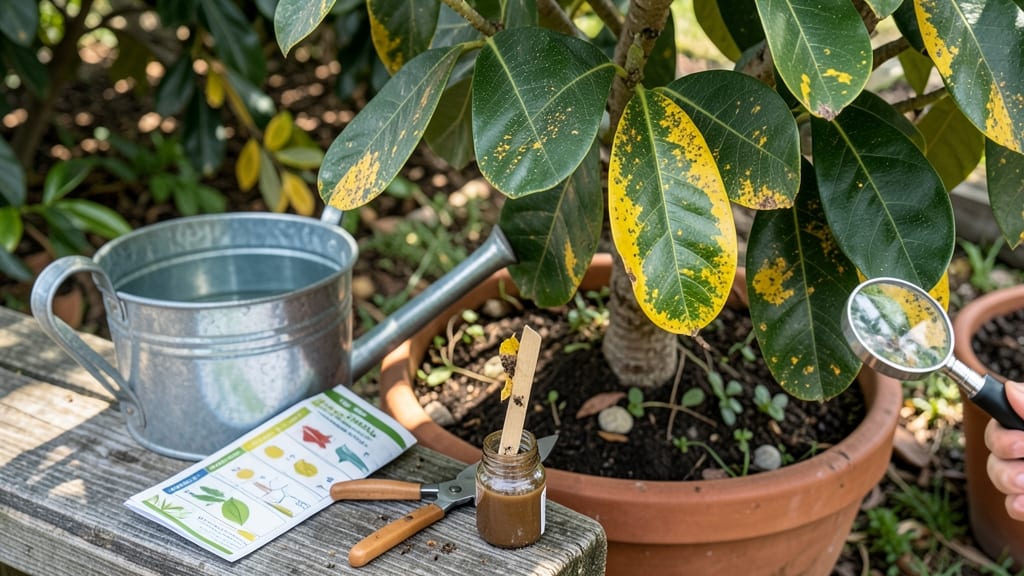
Your avocado tree’s leaves turning yellow scream for attention—it’s the plant’s way of saying, "Something’s off!" 🌿 The good news? Most cases are fixable with simple adjustments to water, nutrients, or care habits.
I’ve nursed back more than a few sad-looking trees by identifying the exact cause, and you can too. Start by checking the leaf patterns: uniform yellow means overwatering or root rot, while yellowing between veins points to nitrogen deficiency.
Pests like spider mites leave tiny webs and speckled damage, while fungal infections create dark spots. Grab a magnifying glass—this step saves hours of guesswork. Once you pinpoint the issue, the fix is straightforward.
Overwatered trees need better drainage; nutrient deficiencies respond to balanced fertilizer; pests vanish with neem oil or insecticidal soap. I’ve seen trees bounce back in as little as 2-3 weeks with the right care. Don’t wait until the whole canopy turns yellow—act fast.
If you spot mold, black spots, or wilting despite adjustments, it’s time to call an arborist. But for most cases, this guide gives you all the tools to bring your tree back to its deep, glossy green.
Root Causes Behind Yellowing Leaves
When your avocado tree’s leaves start turning yellow, it’s often a cry for help from the plant itself. Understanding the why behind this discoloration is the first step to restoring your tree’s health.
Below, we break down the most common causes—each with a clear scientific explanation and actionable insights to address them.
Avocado trees (Persea americana) are native to tropical climates where rainfall is frequent but the soil drains quickly. When roots sit in soggy soil for too long, they suffocate from a lack of oxygen, leading to root rot (often caused by Phytophthora fungi).
This disrupts the tree’s ability to absorb water and nutrients, causing leaves to yellow—especially the older ones—before wilting or dropping.
Why it happens:
- Anaerobic conditions: Waterlogged soil creates an oxygen-poor environment, forcing roots to rely on inefficient fermentation for energy. This weakens the tree’s vascular system, reducing nutrient transport.
- Toxic buildup: Excess water leaches out essential minerals (like nitrogen and potassium) while leaving harmful salts behind, further stressing the roots.
- Fungal invasion: Fungi like Phytophthora cinnamomi thrive in waterlogged conditions, blocking root xylem vessels and disrupting water/nutrient flow.
Actionable fix: 🔹 Check drainage: Stick your finger 2 inches into the soil—if it’s damp after 48 hours, you’re overwatering. Avocado trees prefer the top 2–3 inches of soil to dry out between waterings. 🔹 Amend the soil: Mix in perlite, coarse sand, or pumice (20–30% by volume) to improve aeration. For container-grown trees, ensure pots have drainage holes. 🔹 Repot if needed: If roots are circling or mushy, transplant to a larger pot with fresh, well-draining cactus/succulent mix. 🔹 Fungal treatment: Apply a copper fungicide (like Copper Sulfate) or hydrogen peroxide (3%) to soil if root rot is suspected.
Yellowing leaves can signal a specific nutrient deficiency, often starting between the veins (interveinal chlorosis) or on younger leaves. Avocado trees are heavy feeders, especially in sandy or nutrient-poor soils. The most common deficiencies include:
| Nutrient | Symptoms | Why It Happens | Fix It |
|---|---|---|---|
| Nitrogen (N) | Yellowing on older leaves (starting at tips), stunted growth. | Nitrogen is mobile in plants—when deficient, the tree “recycles” it from older leaves. Common in sandy soils or after heavy fruiting. | Apply slow-release organic nitrogen (e.g., blood meal, fish emulsion) or a balanced fertilizer (10-10-10) in early spring. |
| Potassium (K) | Yellowing on leaf edges (scorching), weak stems, poor fruit development. | Potassium regulates water and nutrient transport. Deficiencies occur in acidic or leached soils or when overwatered. | Use potassium sulfate or wood ash (for pH balance). Avoid over-fertilizing with nitrogen, which can mask potassium deficiency. |
| Magnesium (Mg) | Yellowing between veins on older leaves (interveinal chlorosis), similar to iron deficiency but worse. | Magnesium is central to chlorophyll production. It’s often leached from soil by overwatering or high soil pH (>7.0). | Apply Epsom salt (magnesium sulfate) (1 tbsp/gallon of water, sprayed on leaves or soil) or dolomitic lime to lower pH. |
| Iron (Fe) | Yellowing on new growth (young leaves), white veins. | Iron is immobile in plants and becomes unavailable in alkaline soils (pH >7.0) or when soil is waterlogged. | Lower pH with sulfur or peat moss, then apply chelated iron (e.g., Iron EDTA) or iron sulfate to soil. |
Pro tip: 💡 Always test your soil (pH and nutrient levels) before fertilizing—overcorrecting can burn roots. A simple DIY test kit or lab analysis will guide your approach.
While overwatering is more common, chronic underwatering or heat stress can also trigger yellowing, especially in container-grown avocado trees. When roots dry out, the tree prioritizes water transport to critical areas (like new leaves), causing older leaves to yellow and crisp.
Why it happens:
- Transpiration imbalance: High temperatures increase water loss through leaves, but dry soil can’t supply enough moisture, leading to xylem cavitation (air bubbles blocking water flow).
- Osmotic stress: Cells lose turgor pressure, causing leaf edges to brown and curl.
- Root shrinkage: Prolonged drought forces roots to shrink, reducing surface area for water absorption.
Actionable fix: 🔹 Water deeply and infrequently: Soak the root zone until water drains out the bottom (for containers) or 6–12 inches deep (for in-ground trees). Avoid light, frequent watering. 🔹 Mulch heavily: Apply 3–4 inches of organic mulch (straw, wood chips) to retain moisture and regulate soil temperature. 🔹 Shade cloth: If temperatures exceed 90°F (32°C), provide 30–50% shade to reduce transpiration stress. 🔹 Adjust watering schedule: Water early morning to minimize evaporation, and increase frequency during fruit development (when water demand peaks).
Sap-sucking pests and pathogens can drain nutrients from your avocado tree, leading to yellowing leaves as the tree diverts energy to defense. Common culprits include:
- Spider mites: Tiny pests that suck cell sap, causing stippling and yellowing (especially on undersides of leaves). Severe infestations lead to leaf drop.
- Scale insects: Immobile, armored pests that excrete honeydew, attracting sooty mold (a black fungus that blocks sunlight).
- Root-knot nematodes: Microscopic worms that gall roots, reducing water/nutrient uptake and causing yellowing between
Revitalize Your Avocado Tree Now
Yellowing leaves on your avocado tree aren’t just an eyesore—they’re a cry for help! 🌿 The good news? Most issues are fixable with targeted care. Below, we’ve mapped out practical, step-by-step solutions for the most common causes, plus prevention tips to keep your tree thriving long-term.
Signs: Yellowing leaves with soggy soil, wilting, or a foul smell.
How to Fix It:
- 🚰 Stop Watering Immediately
- Let the top 2–3 inches of soil dry out before watering again. Stick your finger in the soil—if it’s damp, wait.
- 🪴 Improve Drainage Fast
- Repot (if in a container) into a pot with drainage holes and fresh, well-draining cactus/succulent mix.
- Amend garden soil with perlite, sand, or compost (50/50 mix) to loosen it up.
- 🌧️ Adjust Your Watering Routine
- Water deeply but infrequently—avocados hate "wet feet." Aim for 1–2 times per week (less in winter).
- Water in the morning to reduce fungal risks.
💡 Prevention Tips:
- Use a moisture meter to track soil dampness.
- Mulch around the base (2–3 inches of wood chips) to regulate moisture.
- Avoid saucers under pots—water should drain away completely.
Signs: Yellow leaves with green veins (chlorosis), stunted growth, or small fruit.
How to Fix It:
- 📊 Test Your Soil
- Grab a DIY soil test kit (or send a sample to a lab) to check pH (ideal: 6.0–7.0) and nutrient levels.
- 💊 Fertilize Smartly - For iron deficiency (yellow between veins): - Sprinkle iron chelate or Epsom salt (1 tbsp/gallon of water) around the roots.
Reapply every 2–3 months. - For nitrogen (pale yellow leaves): - Use a balanced fertilizer (10-10-10) in early spring and summer. - For magnesium (yellow patches): - Apply Epsom salt (2 tbsp/gallon) as a foliar spray or soil drench.
- 🍂 Boost Organic Matter
- Mix compost or worm castings into the top 6 inches of soil to slowly release nutrients.
💡 Prevention Tips:
- Fertilize in stages—too much can burn roots. Start with half the recommended dose.
- Avoid synthetic fertilizers in winter—avocados rest then!
- Use slow-release granules for steady nutrition.
Signs: Yellowing leaves with holes, webbing, or black spots.
How to Fix It:
- 🐜 Identify the Culprit
- Spider mites? Tiny webs on undersides of leaves.
- Scale insects? Sticky residue (honeydew) on leaves.
- Fungal spots? Dark, circular patches (often from overwatering).
- 🛡️ Treat Naturally First
- For mites/scale:
- Spray with neem oil (1 tsp/quart of water + soap) or insecticidal soap.
- Repeat every 5–7 days for 2–3 weeks.
- For fungus:
- Prune infected leaves and dispose of them.
- Apply copper fungicide or baking soda spray (1 tbsp baking soda + 1 quart water + soap).
- For mites/scale:
- 🌿 Strengthen Your Tree’s Defense
- Prune for airflow—remove crowded branches to reduce humidity.
- Water at the base (not overhead) to keep leaves dry.
💡 Prevention Tips:
- Inspect leaves weekly—catch pests early!
- Encourage beneficial insects (ladybugs, lacewings) with dill or marigolds nearby.
- Avoid wetting foliage when watering.
Signs: Yellowing on one side of the tree, crispy edges, or leaf drop.
How to Fix It:
- 🌞 Adjust Sun Exposure
- Too much sun? Move your tree to partial shade (6+ hours of indirect light).
- Too little sun? Gradually introduce it to morning sun (avoid harsh afternoon rays).
- 🌡️ Protect from Extreme Temps
- Cold drafts? Cover young trees with frost cloth if temps drop below 30°F.
- Heat stress? Provide afternoon shade in scorching climates.
- 💧 Hydrate Strategically
- Mulch heavily (4–6 inches) to retain moisture.
- Water deeply during heatwaves (check soil daily).
💡 Prevention Tips:
- Acclimate gradually if moving trees—don’t shock them with full sun overnight.
- Choose the right spot—avocados thrive in USDA zones 9–11 (or grow in containers indoors).
🌟 Pro Tip: Keep a tree care journal! Note watering, fertilizing, and leaf changes to spot patterns early. A little consistency goes a long way—your avocado tree will reward you with glossy green leaves and juicy fruit in no time! 🥑✨
Frequently asked questions
Why are my avocado tree's older leaves turning yellow first?
This is completely normal and usually indicates a nutrient deficiency, particularly nitrogen. Avocado trees prioritize sending nutrients to new growth, so older leaves yellow first when resources are scarce. Check for pale yellowing starting at leaf tips—this is classic nitrogen deficiency. Try a balanced fertilizer (10-10-10) in early spring.
Can I save my avocado tree if the yellowing is caused by root rot?
Yes, but act fast! First, stop watering immediately and let the top 2-3 inches of soil dry out. Repot in fresh, well-draining soil with perlite or sand mixed in (50/50 ratio). For severe cases, trim any blackened roots and apply a copper fungicide to prevent spread. Monitor closely for 2-3 weeks to see improvement. If the tree feels mushy at the base, it may be too late.
What does yellowing between leaf veins mean for my avocado?
This pattern almost always signals iron deficiency or high soil pH (above 7.0). Iron becomes unavailable in alkaline conditions, causing yellowing between veins while keeping veins green. Test your soil—if pH is high, lower it with sulfur or peat moss, then apply chelated iron (like Iron EDTA). Results should appear in 2-4 weeks with consistent treatment.
Are yellow leaves always a sign of a problem?
Not necessarily! Some natural yellowing occurs as part of the tree's life cycle, especially with older leaves. However, if you see more than 20% of leaves yellowing, or if new growth is affected, it's time to investigate. Healthy avocado trees should have deep green, glossy leaves—any deviation from this is worth addressing.
How often should I fertilize my avocado tree to prevent yellow leaves?
For container-grown trees, fertilize every 4-6 weeks during growing season (spring-fall) with a balanced fertilizer (like 10-10-10). For in-ground trees, apply a slow-release organic fertilizer twice a year (early spring and summer). Avoid fertilizing in winter when the tree is dormant. Always water thoroughly after applying fertilizer to prevent root burn.