
Trees
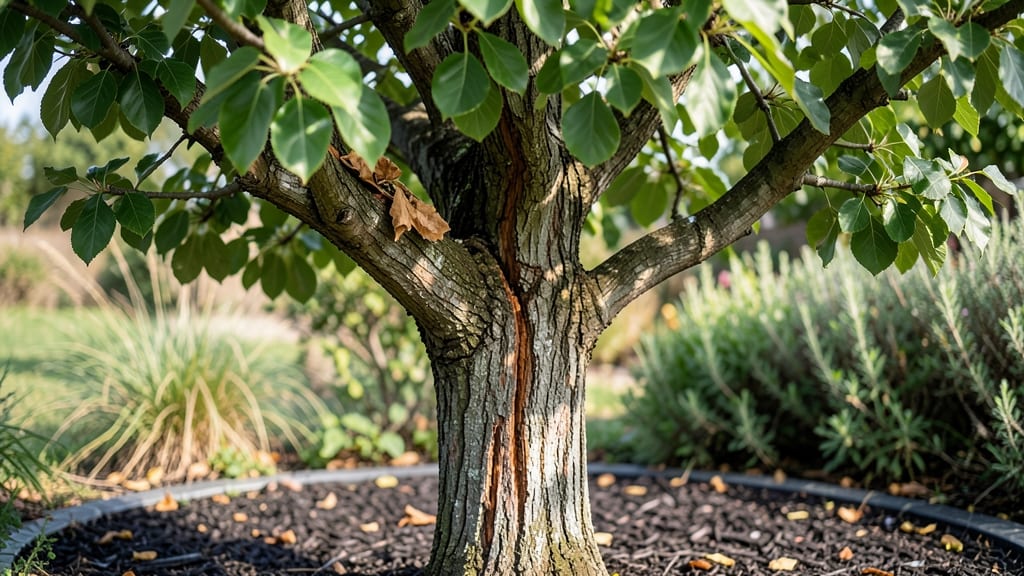
That jagged split in your cherry tree’s bark isn’t just unsightly—it’s a cry for help. 🌳 Whether it’s a frost crack, silver leaf disease, or a storm’s rough hand, split bark can weaken your tree if left untreated.
The good news? With the right tools and timing, you can repair it before it becomes a bigger problem.
Most splits happen in winter when temperatures swing wildly or when bacterial infections like silver leaf disease take hold. You’ll spot them as deep cracks running up the trunk, often oozing dark sap or showing silvery fungal growth.
The sooner you act, the better—pruning out damaged sections and sealing wounds can save your tree from long-term stress.
Here’s the game-changer: a 3-step grafting fix that stops the spread and helps the tree heal naturally. Start by cleaning the wound, then apply a protective sealant, and finally, monitor for signs of infection. With this method, your cherry tree can bounce back stronger than ever—no drastic measures needed.
This works for both young and mature trees, but act fast if you see fresh splits. Winter protection (like wrapping trunks) and proper pruning can prevent future damage. Let’s get your tree back on track before next season’s frost hits.
Root Causes Of Bark Splitting
Understanding why your cherry tree’s bark splits is the first step to preventing—or fixing—this damage. While some causes are natural, others stem from environmental stress or improper care. Let’s break down the science behind the most common triggers.
Cherry trees, especially young or newly planted ones, can experience explosive growth during spring and early summer. When a tree grows too quickly, its bark struggles to keep pace with the expanding trunk and branches.
This mismatch creates tensile stress, causing the outer bark to crack or split as the underlying wood expands.
- Why it happens: The cambium layer (the tree’s growth engine) produces new cells faster than the bark can stretch.
Think of it like a balloon inflating too quickly—eventually, the surface tears. - Actionable insight: If your tree is young, monitor its growth rate. Prune selectively in late winter to slow down excessive branching, reducing the strain on the bark.
Cherry trees are sensitive to sudden temperature swings, particularly in late winter or early spring. When warm days trigger sap flow and bud break, followed by a hard freeze, the tree’s bark can contract and expand rapidly.
This thermal shock weakens the bark’s integrity, making it prone to splitting.
- Why it happens: Water in the tree’s cells expands when frozen, creating internal pressure.
If the bark is already dry or brittle (common in winter), it lacks flexibility to handle this stress. - Actionable insight: Apply a thick layer of mulch (3–4 inches) around the base in late fall to insulate roots. Avoid winter pruning, as fresh cuts are more vulnerable to freeze damage.
Both overwatering and prolonged drought can lead to bark splitting. On one hand, excess moisture softens the bark, making it more susceptible to physical damage (e.g., from tools or animals).
On the other, severe drought causes the tree to shrink and contract, while the bark remains rigid, leading to cracks.
- Why it happens: - Overwatering: Saturated soil reduces oxygen availability, weakening cell walls in the bark. - Drought: The tree’s xylem vessels (water conductors) collapse slightly, but the bark doesn’t shrink proportionally, causing stress fractures. - Actionable insight: Water deeply but infrequently (1–2 times per week in summer, less in winter).
Use drip irrigation to avoid wetting the bark directly, which promotes fungal growth.
Accidental scrapes, cuts, or tool marks from pruning, lawn equipment, or wildlife (like rabbits or deer) can create entry points for pathogens or weaken the bark’s structure. Poor pruning techniques—such as topping (cutting back to a stub) or over-thinning—disrupt the tree’s natural growth pattern, increasing split risks.
- Why it happens:
- Improper cuts: Jagged edges from dull tools or deep notches concentrate stress, making splits more likely.
- Topping: Removes protective bark layers and encourages sprout growth, which competes for resources and strains the trunk.
- Actionable insight: Always use sharp, sterilized pruners and make cuts at a 45-degree angle just outside the branch collar. Avoid removing more than 25% of the canopy in one season.
Certain fungi, like silver leaf fungus or canker diseases, weaken the bark by decaying the underlying tissues. As the infection progresses, the bark loses its elasticity and becomes prone to splitting, especially during wind or growth stress.
- Why it happens: Fungi thrive in moist, damaged bark, creating rotten pockets that reduce structural support. Wind or physical stress then causes the bark to peel or crack along these weakened zones. - Actionable insight: Inspect the tree annually for discolored, oozing, or sunken bark.
Remove infected branches 12 inches below the damage and treat with copper fungicide in early spring.
Cherry trees with thin or shallow root systems (common in newly planted trees) are highly susceptible to wind throw—where the tree’s weight and movement cause the trunk to twist or bend unnaturally.
Over time, this mechanical stress leads to longitudinal splits, especially on the windward side.
- Why it happens: The tension wood (a type of wood formed on the underside of leaning branches) is stronger but can pull the bark apart if the tree sways excessively. - Actionable insight: Stake young trees temporarily (1–2 years) to prevent excessive movement.
Plant in sheltered locations or use tree guards to reduce wind exposure.
Mature cherry trees (20+ years old) may develop heartwood decay or internal cavities, which weaken the trunk’s structural integrity. As the tree ages, the bark’s ability to adhere to the shifting wood diminishes, leading to vertical or spiral splits.
- Why it happens: The sapwood (active growth layer) shrinks over time, while the heartwood (older, non-living wood) remains rigid.
This mismatch causes the bark to pull away in strips. - Actionable insight: While you can’t reverse aging, regular inspections help catch splits early. Support large splits with tree wrap or grafting (as covered in our repair guide) to prevent further damage.
Pro Tip 💡: If your cherry tree’s splits are deep (1+ inch) or oozing sap, act quickly—these are signs of advanced stress or infection. The sooner you address the root cause, the better the tree’s chances of recovery!
Fixing Split Cherry Tree Bark
A split in your cherry tree’s bark isn’t just unsightly—it can expose the tree to pests, disease, and even fatal decay if left untreated. But don’t panic! With the right approach, you can stabilize the damage, promote healing, and restore your tree’s health.
Below, we’ll break down practical, step-by-step solutions tailored to the most common causes of split bark, plus proactive tips to keep your cherry tree strong for years to come.
H3: 🧹 Clean and Assess the Wound
- Safety first! Wait for dry, calm weather before working near the tree. Wear gloves and long sleeves—some bark splits reveal sharp edges or hidden pests.
- Trim away dead/damaged bark with sterilized pruning shears (wipe blades with rubbing alcohol between cuts). Remove only the loose, cracked, or hanging pieces—never healthy tissue.
- Pro tip: 💡 If the split is deep (over 1 inch) or exposes the vascular layer (greenish tissue), you’ll need to graft or seal it (see next steps).
H3: 🛡️ Seal the Wound (For Minor Splits)
- What you’ll need: Tree wound dressing (like Tanglefoot Tree Wound Pruning Seal), horticultural sealant, or even beeswax mixed with pine tar (a DIY option).
- How to do it:
- Apply a thin layer of sealant only to the edges of the split (never cover the entire wound—this traps moisture and encourages rot).
- For small cracks, use a putty knife to smooth the sealant into the crevice.
- Warning: ❌ Avoid plastic-based sealants—they suffocate the tree. Stick to breathable, natural options.
H3: 🌱 Encourage Natural Healing (For Moderate Damage)
- Prune nearby branches to improve airflow around the wound. Crowded branches stress the tree and slow recovery.
- Water deeply (1–2 inches per week) to help the tree redirect energy toward healing. Avoid overwatering—soggy soil weakens roots.
- Monitor for pests (like beetles or borers) that love exposed wood. Spray with neem oil if you spot intruders.
H3: 🌿 Grafting or Bridging (For Severe Splits) If the split is large, jagged, or threatening structural integrity, consider:
- Bridging: Use a metal or wooden brace to physically support the split bark while it heals (common for young trees).
- Grafting: For major splits, a whip-and-tongue graft (using a scion from the same tree) can "stitch" the bark back together. This is best left to certified arborists—but we’ll cover a DIY emergency graft in our 3-step guide later in the article!
H3: 💧 Hydrate and Mulch Like a Pro
- Deep watering: Soak the soil every 5–7 days (deeply, not just surface water). Use a soaker hose to avoid wetting the bark (which causes rot).
- Mulch properly: Apply 2–4 inches of organic mulch (wood chips, straw) 3 inches away from the trunk. This insulates roots from temperature swings.
- Pro tip: 🌡️ In winter, add an extra layer of mulch to protect roots from freeze-thaw cycles.
H3: 🌿 Adjust Care for Rapid Growth Splits If your cherry tree is young and growing fast, splits often happen where branches meet the trunk. To prevent future issues:
- Prune in late winter/early spring (when the tree is dormant) to thin out crowded branches.
- Stake young trees if they’re top-heavy, but remove stakes after 1–2 years to avoid bark damage.
- Avoid over-fertilizing—too much nitrogen = fast (but weak) growth = more splits.
H3: 🛡️ Protect Against Frost Cracks Frost cracks (vertical splits in winter) are common in cherry trees. To minimize risk:
- Water thoroughly before the first frost to keep roots hydrated.
- Wrap the trunk with tree guard (burlap or specialized fabric) to reduce temperature fluctuations.
- Avoid winter pruning—it stresses the tree when it’s already vulnerable.
H3: 🦟 Treat Pests Before They Spread If bark-eating insects (like emerald ash borers or sapsuckers) caused the split:
- Spray with neem oil (mix 2 tbsp per gallon of water) in early spring before pests emerge.
- Invite predators: Install bat houses or bird feeders to attract natural pest controllers.
- Remove infested wood immediately—burn or bag it far from the tree.
H3: 🍄 Fight Fungal Rot (If the Split Is Oozing or Smelly)
- Stop watering the area—fungi thrive in moisture. Redirect water away from the trunk.
- Apply copper fungicide (like Bonide Copper Fungicide) to the wound and surrounding soil.
- Call an arborist if you see mushrooms growing at the base or sawdust-like frass (signs of advanced decay).
- 🌳 Plant in the right spot: Cherry trees need full sun (6+ hours/day) and well-draining soil.
Avoid low-lying areas where water pools. - 🌱 Choose disease-resistant varieties: If your tree is prone to splits, consider ‘Stella’ or ‘Black Tartarian’ cherries—they’re tougher against stress. - 📅 Prune strategically: Remove dead, crossing, or weak branches in late winter to reduce future splits. - 🚫 Avoid trunk wounds: Never use weed whackers or lawnmowers near the base.
Keep a 3-foot clearance.
Next up: Our 3-step emergency grafting guide for severe splits—where we’ll show you how to "stitch" your cherry tree back together like a pro! 🌿✨
Frequently asked questions about cherry tree bark splits
Why does my cherry tree bark split in winter?
Winter splits usually happen due to frost cracks from rapid temperature swings. When warm days trigger sap flow, followed by a hard freeze, the bark contracts and expands unevenly, creating deep vertical cracks. Young trees or those with thin bark are most vulnerable—think of it like a balloon freezing and popping!
Is split bark always a sign of disease?
Not necessarily! Many splits are mechanical damage from growth stress, frost, or physical injury. However, if you see oozing sap, fungal growth (like silver leaf fungus), or mushrooms at the base, it’s likely an infection. Always check for these red flags before assuming it’s just natural wear.
Can I seal a split in my cherry tree trunk?
Yes, but only for minor splits (under 1 inch deep). Use a breathable sealant (like Tanglefoot Tree Wound Pruning Seal) on the edges—not over the entire wound. For deeper splits, grafting or bridging is better. Never use plastic-based products, as they trap moisture and cause rot.
How do I know if my cherry tree will survive a large split?
Look for these signs of hope: healthy green leaves, no oozing sap or foul odor, and a firm trunk (not soft or hollow-sounding when tapped). If the split is less than 1/3 of the trunk’s circumference and the tree is otherwise vigorous, it can often heal with proper care.
Will pruning help prevent future bark splits?
Prune in late winter to remove weak or crossing branches that strain the trunk. Avoid topping (cutting back to stubs) and never remove more than 25% of the canopy in one season. Proper pruning reduces growth stress and improves airflow, which helps bark stay intact.