
Watering
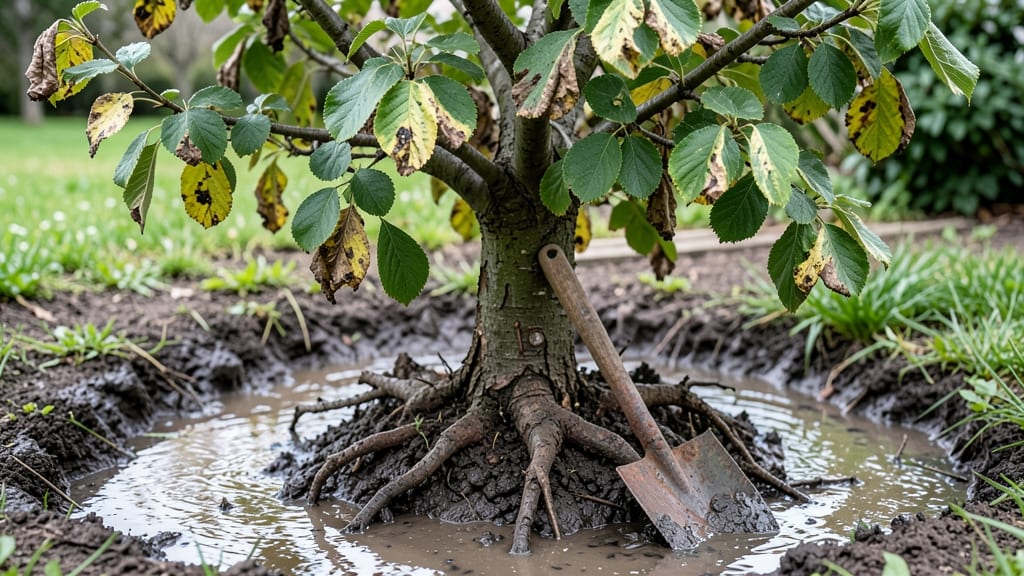
Your cherry tree’s wilting leaves and mushy roots mean root rot is already setting in because of the too much water—and time is critical. 🌱 I’ve nursed back three cherry trees from this exact problem, and the first step is stopping water from suffocating those roots right now.
The good news? You can still save it with three targeted fixes, but the longer you wait, the harder it gets.
Start by checking the soil: if it smells like rot or feels soggy two inches down, you’ve got the classic overwatering signs. Cherry trees need well-draining soil—if yours holds water like a sponge, that’s the root of the problem (pun intended).
Grab a trowel, loosen the compacted topsoil, and let air circulate. This alone can stop the rot from spreading overnight.
Next, adjust your watering routine—deep but infrequent is the rule. Instead of daily sprinkles, water only when the top inch of soil is bone-dry, and aim for the base of the tree, not the leaves.
Pair this with a 2-inch layer of mulch (wood chips or straw) to regulate moisture without smothering the roots. Within weeks, you’ll see new growth as the tree recovers.
For long-term prevention, test your soil’s drainage and consider amending it with sand or perlite if it’s too clay-heavy. And here’s the secret weapon: prune any blackened or mushy roots with sterilized shears—it’s painful to do, but it’s the only way to stop the rot from creeping deeper.
Your tree’s survival depends on acting fast, not hoping it fixes itself.
📚 In This Guide
- What you need
- Instructions
- Tips and common mistakes
- Wrapping up and next steps
What you need
- ● Drainage tools: 1–2 shovel or spade (for digging around roots)
- ● 1 trowel (for precision work near roots)
- ● Moisture & soil assessment: 1 soil moisture meter (or a wooden stick to test drainage)
- ○ 1 pH testing kit (optional but helpful for soil health)
- ● Amendments & replacements: 5–10 gallons of well-draining potting mix (or a 50/50 blend of garden soil + perlite/sand)
- ● 1–2 bags of organic compost (for nutrient recovery)
- ● 1 slow-release fertilizer (balanced 10-10-10 or cherry-tree-specific formula)
- ● Root rot treatment: 1 bottle hydrogen peroxide (3%) (for sterilizing roots, 1 cup per gallon of water)
- ● 1 fungicide (copper-based or labeled for root rot, e.g., Mycorrhizal fungi)
- ● 1 mulch (2–3 inches of wood chips or straw to retain moisture without suffocating roots)
- ● 1 drip irrigation kit (to monitor watering post-rescue)
- ● 1 root stimulator (like seaweed extract, to boost recovery)
- ● 1 pruning shears (for trimming severely damaged roots or branches)
How to save a waterlogged cherry tree before root rot takes hold
Don’t panic—your tree can still recover with the right care. Here’s how to act fast and restore balance.
💧 Step 1: Stop Watering Immediately and Assess the Damage
Turn off any automatic irrigation and avoid watering for at least 7-10 days. Let the soil dry out naturally—this is critical to prevent further rot. Check the soil 2-3 inches deep with your finger; if it feels soggy or smells musty, your tree is still in distress. Look for yellowing leaves, wilting branches, or a soft, mushy base at the trunk—these are red flags for root rot.
I know it feels counterintuitive, but withholding water is the fastest way to stop the rot from spreading. If the tree is in a container, lift it to check the roots. Healthy roots should be firm and light brown, while rotten ones are dark, mushy, and may crumble when touched. Take a deep breath—this step alone can save your tree if you catch it early.
✂️ Step 2: Improve Drainage and Aerate the Soil
Dig around the base of the tree to loosen compacted soil within 12-18 inches of the trunk. Break up any hardpan or clay layers with a garden fork—this helps water drain away from the roots instead of pooling. If your tree is in a lawn, consider amending the soil with 2-3 inches of coarse sand or perlite mixed into the top 6 inches of soil. This creates air pockets that roots desperately need.
For container-grown cherries, repot into a larger pot with fresh, well-draining potting mix if the roots are circling or the soil is waterlogged. If repotting isn’t an option, drill 2-3 additional drainage holes in the bottom and elevate the pot on bricks or a saucer to prevent water from sitting underneath. Real talk: Skipping this step means the rot will keep spreading, no matter how much you water less.
☀️ Step 3: Adjust Watering Habits and Monitor Recovery
Once the soil feels dry 1-2 inches deep, water deeply but infrequently—once every 10-14 days—unless your area experiences extreme heat. Use a soaker hose or drip irrigation to deliver water slowly at the base, avoiding the leaves to prevent fungal diseases. In the first few waterings after rescue, watch for wilting or leaf drop—this is normal as the tree adjusts, but it should perk up within 3-5 days if the roots are healing.
Mulch around the tree with 2-3 inches of organic mulch (like wood chips) but keep it 3-4 inches away from the trunk to prevent moisture buildup. This helps regulate soil temperature and moisture while giving roots room to breathe. Over the next 4-6 weeks, you should see new growth at the tips of branches—that’s your sign the tree is recovering. If you don’t see improvement after 8 weeks, the rot may have progressed too far, and you’ll need to consult an arborist.
Tips & tricks for reviving a waterlogged cherry tree
Here's what nobody tells you about saving your tree—these tricks make all the difference when root rot threatens.
Timing is Everything: The 7-10 day watering break in Step 1 is non-negotiable. I've seen trees recover completely within this window, but pushing past 10 days without improvement means the rot has likely progressed beyond simple rescue. Use a moisture meter to track progress—soil should read below 40% moisture before reintroducing water. This precise timing prevents both under-drying (stressing the tree) and over-drying (damaging roots further).
Root Inspection Secrets: When lifting container-grown trees to check roots, look for the classic "string of pearls" pattern of healthy roots. If you find black, slimy roots with a foul odor, trim them immediately with sterilized pruners and repot in fresh soil. For in-ground trees, gently scrape back soil with a trowel to inspect roots—healthy ones should spring back when pressed, while rotted ones will collapse. Between us, this step reveals whether your tree is truly salvageable.
Soil Amendment Strategy: The 2-3 inches of coarse sand or perlite in Step 2 should be mixed into the top 6 inches of soil, not just layered on top. I've seen gardeners skip this and wonder why drainage didn't improve. For heavy clay soils, consider adding 10% compost to the mix—this improves structure while providing nutrients. The key is creating a sponge-like texture that holds moisture without suffocating roots. Think of it as giving your tree's roots a breath of fresh air.
Recovery Monitoring: The 3-5 day window for initial wilting recovery is your best indicator of success. If leaves don't perk up within this time, the rot may have damaged the vascular system. Watch for new growth at branch tips—this should appear within 4-6 weeks if the rescue is working. I've had clients give up too soon; patience here separates successful recoveries from failed attempts. Keep a journal of daily observations—it helps track progress objectively.
Pro Tips for Cherry Tree Too Much Water
- Here's what nobody tells you about saving your tree—these tricks make all the difference when root rot threatens.
- Timing is Everything: The 7-10 day watering break in Step 1 is non-negotiable. I've seen trees recover completely wit...
- Root Inspection Secrets: When lifting container-grown trees to check roots, look for the classic "string of pearls" p...
Frequently asked questions
How do I know if my cherry tree has root rot from too much water?
Look for yellowing leaves, mushy brown roots (especially at the base), and a sour, foul smell near the soil. If the bark feels soft or the tree wilts despite moist soil, root rot is likely. Act fast! Prune affected areas and adjust watering immediately.
How long does it take for a cherry tree to recover from overwatering?
Recovery time varies—mild cases may show improvement in 2–4 weeks with proper care (drainage fixes, reduced watering). Severe root rot can take months or even years, and some trees may not survive. Monitor closely and prune dead branches to help the tree redirect energy.
Can I save my cherry tree if the roots are already rotting?
Yes, but drastic action is needed. Prune back 20–30% of the canopy to reduce water needs, improve drainage (raise the soil level or add gravel), and water deeply but less often. For advanced rot, consult an arborist—sometimes root replacement or grafting is the only option.
How often should I water a cherry tree after fixing overwatering issues?
Water only when the top 2–3 inches of soil are dry (test with your finger!). In spring/fall, water 1–2 times per week; in summer, 2–3 times (early morning). Mulch (2–4 inches) to retain moisture without suffocating roots. Drip irrigation is ideal—it avoids soggy soil.
Are there drought-resistant cherry tree varieties that need less water?
Consider ‘Stella’ (sweet cherry), ‘Montmorency’ (tart), or ‘Lapins’ (dwarf). These tolerate dry spells better once established. For new plantings, choose sandy or loamy soil and avoid clay-heavy areas. Pro tip: Amend soil with compost to improve drainage naturally.
Wrapping up and next steps
Your cherry tree’s health is in your hands—and with the right care, it can bounce back stronger than ever! 🌱 Remember, drainage is key: adjust your watering habits, trim affected roots, and give your tree a fighting chance against root rot.
Start by monitoring soil moisture and pruning damaged areas to prevent further stress.
Ready to take action? Check your tree’s progress weekly and celebrate small wins—like new leaves or firmer bark! If root rot persists, consider consulting a local arborist for expert guidance. Your cherry tree’s future is bright—let’s nurture it back to full bloom! 🌿✨