
Blooming
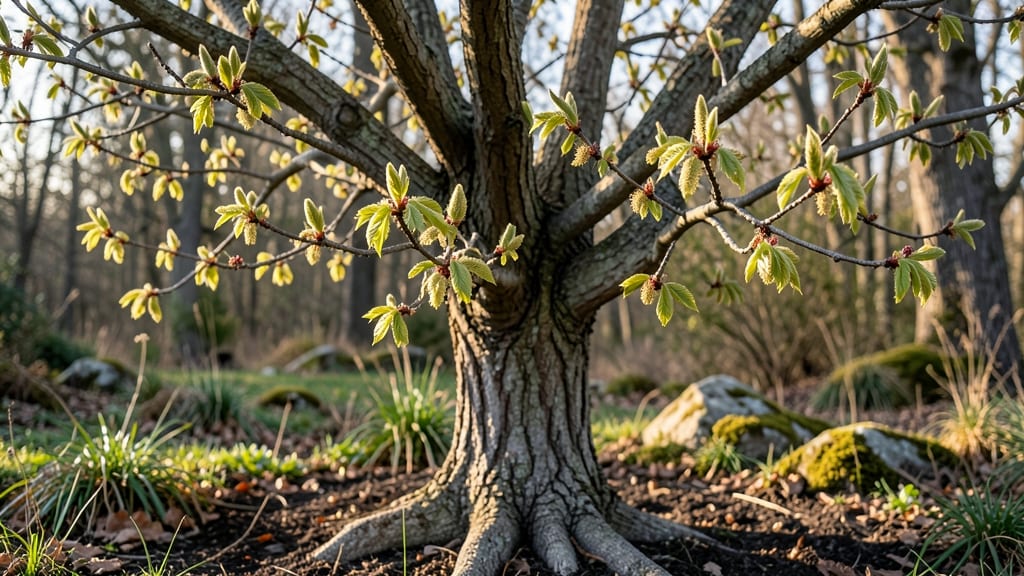
The chestnut tree blossom transforms your spring garden into a dreamy, golden-hued masterpiece 🌳 — but without the right pruning, those delicate flowers might never return.
Picture this: a towering chestnut tree in full bloom, its cascading clusters of tiny yellow-green flowers catching the sunlight like scattered confetti. Yet, many gardeners miss the key to making this spectacle happen year after year.
The secret? Pruning at the right time, with the right cuts, and for the right reasons.
Timing is everything—prune too early, and you risk cutting off next year’s blooms. Prune too late, and you stunt the tree’s ability to recover.
In this guide, I’ll walk you through the best months to prune, how to shape your tree for maximum blossoms, and the common mistakes that leave trees struggling to flower.
By the end, you’ll know exactly when to reach for your pruners, what to look for in healthy branches, and how to turn a modest spring display into a showstopping one that neighbors will envy.
Best pruning times for chestnut tree blossoms by season
Timing your chestnut tree pruning correctly is the key to unlocking next year’s abundant blossoms. Unlike many trees, chestnuts bloom on old wood, meaning last year’s branches hold this year’s flowers.
Pruning at the wrong time can reduce blossoms or even damage current blooms. The secret lies in understanding seasonal growth cycles and avoiding critical bloom periods.
Most gardeners make the mistake of pruning during active bloom season (late spring), which can sever flower buds and weaken next year’s display. Instead, focus on dormant season pruning when the tree isn’t actively growing.
Let’s break down the best times to prune by season to maximize blossoms while keeping your tree healthy.
🌳
| Season | Best Pruning Time | Purpose | Blossom Impact |
|---|---|---|---|
| Late Winter | February-March (before buds swell) | Remove dead/diseased wood, shape structure | ✅ Stimulates new growth for next year’s blooms |
| Early Spring | March-April (before leaf-out) | Light thinning, open canopy for airflow | ⚠️ Avoid heavy pruning—current blooms form on old wood |
| Summer | June-July (after bloom season) | Remove water sprouts, correct shape | ✅ Encourages future blossom buds on new growth |
| Fall | October-November (after leaf drop) | Minimal pruning—only remove hazardous branches | ❌ Avoid—can stimulate late growth vulnerable to frost |
Late winter is the golden window for chestnut tree pruning. Between February and March, while the tree is still dormant, you can remove dead branches and reshape the canopy without risking current blooms.
This timing ensures you’re not cutting into flower buds that formed the previous year. Focus on 30-40% branch reduction max to avoid stressing the tree.
Early spring pruning (March-April) requires caution. If you must prune, do so before buds swell—never during active bloom. Light thinning to improve airflow is acceptable, but avoid heavy cuts.
Chestnut trees bloom on old wood, so removing too many branches can reduce next year’s flowers. Think of this as a maintenance trim, not a structural overhaul.
Summer pruning (June-July) is ideal for corrective shaping and removing water sprouts. These fast-growing shoots compete with blossoms for energy. Prune them back to a bud or lateral branch to redirect the tree’s energy toward future bloom production. Just avoid heavy pruning—stick to 10-15% reduction to prevent stress.
Fall pruning is off-limits for chestnut trees. Pruning after October can stimulate new growth that’s vulnerable to winter frost. If you spot hazardous branches (like those threatening power lines), remove them immediately—but otherwise, wait until late winter. The tree needs time to harden off before dormancy.
One common mistake is pruning during active bloom season (April-May). Chestnut blossoms appear delicate, but cutting branches then can sever next year’s buds hidden among the current flowers.
Always wait until after blooms fade before making structural changes. If you must prune during bloom season, limit cuts to non-flowering branches only.
For young chestnut trees (under 5 years), prune lightly in late winter to establish a strong central leader. Avoid heavy pruning—these trees need all their energy to develop a robust framework for future blossoms.
Older trees (10+ years) can handle slightly more aggressive pruning, but always prioritize blossom preservation over aesthetics.
Pro tip: Use sharp, clean tools to make precise cuts at a 45-degree angle. Disinfect your pruners between cuts to prevent disease spread. And always prune on a dry, sunny day to reduce stress on the tree.
With the right timing, your chestnut tree will reward you with years of stunning blossoms.
🌷
How to prune chestnut trees for healthier blossoms: step-by-step guide
Pruning your chestnut tree isn’t just about shaping—it’s about encouraging those stunning blossoms to return year after year. The right cuts made at the right time can transform a sparse branch into a lush canopy bursting with delicate spring flowers.
But timing and technique matter, so let’s dive into the essential steps to maximize your tree’s floral potential.
Before you grab your pruners, remember: chestnut trees bloom on old wood, meaning last year’s branches hold next year’s flowers. Cutting back too aggressively can reduce blossoms, while proper pruning opens the canopy to sunlight and air circulation—key factors for healthy blooms.
Start by gathering your tools: sharp bypass pruners, a pruning saw for thicker branches, and safety gear like gloves and goggles.
Step-by-Step Pruning Guide for Chestnut Blossoms
- 1 Remove Dead or Diseased Wood: Start by cutting out any dead branches or limbs showing signs of disease (like fungal spots or cankers). Make clean cuts just outside the branch collar to prevent infection.
- 2 Thin Out Crowded Branches: Look for branches that cross or rub against each other. Remove one of the two to reduce competition for nutrients, which helps promote healthier blossoms on remaining branches.
- 3 Shape the Canopy: Aim for an open-center shape to allow sunlight to reach the inner branches. Focus on removing branches that grow inward or downward, as these block light and reduce blossom production.
- 4 Limit Pruning to 20-25%: Never remove more than one-quarter of the tree’s foliage in a single session. Over-pruning stresses the tree and can drastically reduce next year’s chestnut tree blossoms.
- 5 Seal Larger Cuts: For branches thicker than 2 inches, use tree wound pruning sealant to protect the cut and prevent pests or disease from entering the tree.
- 6 Clean Up Debris: Remove all pruned branches and debris from the area to reduce the risk of pests and diseases that can harm your tree’s health and blossom potential.
Safety is critical when pruning tall chestnut trees. Use a sturdy ladder or hire a professional if your tree exceeds 20 feet. Always look up before cutting to avoid damaging power lines or nearby structures.
And never prune during wet conditions, as wet branches are heavier and more dangerous to handle.
After pruning, monitor your tree closely. Healthy new growth in spring is a good sign, but if you notice yellowing leaves or stunted blossoms, it may indicate stress from over-pruning. In this case, reduce future cuts and focus on improving soil health with organic mulch and balanced fertilizer.
With these steps, your chestnut tree blossoms will thrive, turning your garden into a fragrant spring paradise year after year. Happy pruning! 🌳✂️🌷