
Pruning
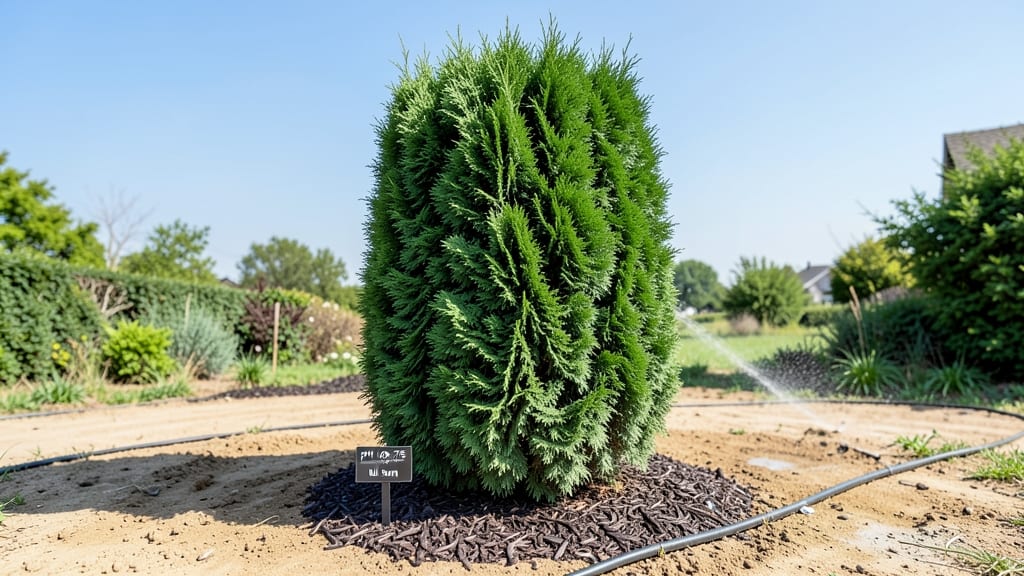
Your cypress tree’s health starts with the right cuts—pruning secrets that keep it lush year-round, not just in summer. 🌲 I’ve seen cypress trees go from sparse and struggling to full and vibrant just by adjusting when and how we trim, and the key is timing it right with the seasons.
The biggest mistake? Pruning at the wrong time—like late winter or early spring—which stresses the tree and invites disease. Instead, focus on light shaping in late summer after new growth hardens, and cleanup pruning in early spring before buds swell.
This keeps the tree’s natural defense strong while encouraging thick, healthy foliage. You’ll notice the difference within a season: fewer brown patches, more uniform growth, and that signature cypress density that makes your yard feel like a private retreat.
The right cuts also prevent those pesky pests and fungal issues before they start. Works for both Leyland cypress and bald cypress—just adjust the timing slightly based on your climate. Let’s get those shears sharp and your tree thriving!
Root Causes of Cypress Decline
Cypress trees are hardy, but like any living thing, they face threats that can turn their lush green foliage into a sad, sparse silhouette. Understanding why these issues arise is the first step to restoring your tree’s vibrancy.
Below, we break down the most common culprits—from hidden soil struggles to seasonal surprises—so you can diagnose and act with confidence.
Cypress trees thrive in moist, well-drained, slightly acidic soil (pH 5.0–7.0). When soil fails to meet these needs, roots suffer, and the tree weakens.
- Compacted or Waterlogged Soil 💧 - Heavy clay or poor drainage forces roots to suffocate, cutting off oxygen and nutrients.
This leads to yellowing foliage, stunted growth, or even root rot (a fungal infection that kills roots). - Actionable fix: Test soil drainage by digging a 12-inch hole, filling it with water, and timing how long it takes to drain.
If it sits for >6 hours, amend with sand or organic matter (compost, pine bark).
- Nutrient Deficiencies 🌿 - Cypress trees need nitrogen, phosphorus, and micronutrients like iron and manganese.
Deficiencies show up as: - Yellowing needles (chlorosis) = iron/manganese deficiency. - Purple or red foliage = phosphorus or potassium shortage. - Actionable fix: Conduct a soil test (kits from garden centers work) and apply slow-release fertilizer (10-10-10 or a cypress-specific blend) in early spring.
- Soil pH Imbalance ⚖️
- If soil pH strays below 5.0 (too acidic) or above 7.5 (too alkaline), nutrient uptake plummets.
- Actionable fix: Adjust pH with lime (to raise pH) or sulfur/pine needles (to lower pH) based on test results.
Cypress trees are prone to pathogens that thrive in damp, stressed conditions. These invaders attack roots, bark, or foliage, causing irreversible damage if untreated.
- Root Rot (Phytophthora, Pythium) 🍄
- Symptoms: Wilting, brown needles, mushrooms at the base, or a foul smell near roots.
- Why it happens: Overwatering, poor drainage, or wounds from pruning create entry points for fungi.
- Actionable fix:
- Improve drainage (raise soil level with gravel or build a berm).
- Prune infected branches (sterilize tools with 70% alcohol).
- Apply fungicide (copper-based or phosphite) to soil.
- Canker Diseases (Seiridium, Leucostoma) 🦠
- Symptoms: Sunken, oozing lesions on bark; dieback in branches.
- Why it happens: Wounds from pruning, storms, or insect damage let spores infect the tree.
- Actionable fix:
- Prune in dry weather (avoid wet conditions).
- Seal wounds with pruning paint (for cuts >½ inch).
- Remove and destroy infected branches (don’t compost).
- Needle Blight (Sphaeropsis) 🍃
- Symptoms: Brown, blighted needles that stay attached (unlike natural shedding).
- Why it happens: Fungal spores spread in humid, rainy seasons or from contaminated tools.
- Actionable fix:
- Space trees for airflow (3–5 feet apart).
- Water at the base (avoid overhead spraying).
- Spray copper fungicide in early spring.
Insects and mites sap nutrients from cypress trees, leaving them weak and prone to disease. Some pests are subtle—others are downright destructive.
- Bagworms (Thaumetopoea) 🐛 - Symptoms: Spiky, brown "bags" on branches; defoliation in late summer. - Why it happens: Larvae spin silk bags to hide, feeding on needles.
Outbreaks worsen in drought-stressed trees. - Actionable fix: - Handpick bags and drop them in soapy water. - Spray Bt (Bacillus thuringiensis) or neem oil before eggs hatch (May–June).
- Cypress Tip Moth (Firminus) 🐛
- Symptoms: Brown, wilted tips on branches; webbing at branch ends.
- Why it happens: Larvae burrow into new growth, cutting off water supply.
- Actionable fix:
- Prune and destroy infested tips in late winter/early spring.
- Apply spinosad or horticultural oil to kill larvae.
- Spider Mites (Tetranychus) 🕷️
- Symptoms: Yellow stippling on needles; fine webbing on branches.
- Why it happens: Dry, hot conditions trigger these microscopic pests to multiply rapidly.
- Actionable fix:
- Blast off mites with a strong water spray (early morning).
- Use horticultural oil or neem oil every 5–7 days.
Cypress trees are resilient, but extreme weather, pollution, or human mistakes can push them over the edge.
- Drought Stress 💦
- Symptoms: Needles turn bronze or gray, then fall off; brittle twigs.
- Why it happens: Cypress trees cannot tolerate prolonged dry spells—their roots dry out, and they go into survival mode.
- Actionable fix:
- Deep water 1–2 times per week during droughts (1–2 inches per week).
- Mulch heavily (3–4 inches of pine straw or wood chips) to retain moisture.
- Winter Burn ❄️
- Symptoms: Brown, crispy needle tips after cold snaps (especially in Leyland cypress).
- Why it happens: Rapid temperature swings or salt spray (near roads) dehydrate foliage.
- Actionable fix:
- Avoid winter pruning (wait until late spring).
- Water deeply before the first freeze to protect roots.
- Use anti-desiccant sprays (like Wilt-Pruf) in late fall.
- Salt or Chemical Damage 🧴
- Symptoms: Yellowing, scorched foliage; stunted growth near sidewalks or driveways.
- Why it happens: Road salt, herbicides, or fertilizers leach into soil, poisoning roots.
- Actionable fix:
- Flush soil with water after salt application.
- Test soil for toxicity and amend with gypsum or compost.
- Plant cypress away from high-traffic areas.
Even well-meaning pruning can stress a cypress tree if done incorrectly.
Common errors include: - Topping the Tree ❌ – Removing the top growth stimulates weak, upright shoots (called "water sprouts") and weakens structure. - Over-Pruning 🌳 – Cutting >25% of foliage in one session starves the tree of energy. - Wrong Time of Year ⏳ – Pruning in late fall/winter (dormant season) or during wet conditions invites disease.
Actionable fix:
- Prune in late spring/early summer (when new growth is strong).
- Use clean, sharp tools and make cuts just outside the branch collar.
- Never remove more than 20% of foliage in a single session.
Revive Your Cypress Tree Now
When your cypress tree starts showing signs of distress—whether it’s browning needles, sparse growth, or a weakened structure—acting quickly can make all the difference. Below are practical, step-by-step solutions tailored to common issues, along with prevention tips to keep your tree thriving year-round.
Think of this as your cypress tree first-aid kit!
If your cypress tree’s needles are turning yellow or brown, it’s likely suffering from nutrient starvation or root stress from overwatering.
Step 1: Diagnose the Cause 🔍
- Yellow needles (lower branches first)? → Likely iron or nitrogen deficiency.
- Brown, crispy needles (especially in hot weather)? → Overwatering or poor drainage.
- Needles falling prematurely? → Could be fungal infection (like Seiridium canker) or root rot.
Step 2: Adjust Watering Habits 💧
- For overwatering: Let the top 2–3 inches of soil dry out between waterings.
Cypress trees hate soggy roots—ensure your planting site has well-draining soil or amend clay soil with sand or compost. - For underwatering: Water deeply once a week (more in extreme heat) and mulch (2–3 inches of organic mulch) to retain moisture.
Step 3: Fertilize Smartly 🌱
- For iron deficiency: Apply an iron chelate fertilizer (follow package rates) in early spring.
Yellowing is common in alkaline soils—test your soil pH and adjust if needed (ideal: 5.5–7.0). - For nitrogen deficiency: Use a slow-release, balanced fertilizer (10-10-10 or 12-4-8) in early spring and late summer. Avoid over-fertilizing—it can burn roots!
Step 4: Prune Dead Branches ⏰
- Use sterilized pruners to remove brown, dead, or diseased branches (cut back to healthy green tissue).
- Pro Tip: If fungal disease is suspected, sterilize tools with rubbing alcohol between cuts and avoid pruning during wet weather.
💡 Prevention Tips:
✔ Water deeply but infrequently—cypress trees are drought-tolerant once established. ✔ Avoid compacted soil—aerate planting areas if needed. ✔ Monitor for pests (like bagworms or scale) that stress trees, making them prone to disease.
If your cypress tree looks lopsided, leggy, or overly dense, it’s time for a strategic pruning session to encourage balanced, lush growth.
Step 1: Prune at the Right Time ⏳
- Best time: Late winter to early spring (before new growth starts) or summer (avoid pruning in fall—it invites disease).
- Avoid heavy pruning in heatwaves—stress can lead to sunburn on needles.
Step 2: Thin Out the Canopy 🌳
- Goal: Remove 10–20% of the foliage to improve airflow and light penetration.
- How to thin:
- Start at the top and work downward.
- Cut back overcrowded branches (especially those rubbing against each other).
- Remove deadwood and weak, crossing branches.
Step 3: Shape for Balance 🎨
- For upright cypress (like Cupressus arizonica):
- Let the
- Step back often to check symmetry.
- Gently
Step 4: Seal Cuts Properly (If Needed) 🛡️
- For large branches (over 2 inches thick), apply pruning sealant to prevent disease entry.
- Small cuts? No sealant needed—cypress trees heal well on their own.
💡 Prevention Tips:
✔ Prune regularly (every 1–2 years) to avoid overgrown, unmanageable trees. ✔ Avoid topping—it leads to weak, bushy regrowth. ✔ Use sharp, clean tools to prevent tearing and disease spread.
Cypress trees are tough, but bagworms, scale insects, or fungal diseases (like Seiridium canker) can take them down if left unchecked.
Step 1: Identify the Problem 🐛
| Issue | Signs | Solution |
|---|---|---|
| Bagworms | Small silk bags on branches | Handpick bags or spray Bt (Bacillus thuringiensis) in early summer. |
| Scale Insects | Sticky residue (honeydew), white bumps | Horticultural oil spray (apply in dormant season). |
| Seiridium Canker | Oozing cankers, dying branches | Prune infected branches 6+ inches below damage, sterilize tools, and avoid wounding trees. |
| Root Rot | Mushrooms at base, mushy roots | Improve drainage, reduce watering, and add compost to soil. |
Step 2: Treat Accordingly
- For pests: Use organic sprays (neem oil, insecticidal soap) or beneficial nematodes for soil-dwelling pests.
- For fungal diseases: Remove infected wood immediately and water at the base (not overhead) to keep foliage dry.
💡 Prevention Tips:
✔ Inspect trees monthly—catch pests early! ✔ Keep grass and weeds trimmed around the base to reduce hiding spots for pests. ✔ Plant resistant varieties (like Cupressus sempervirens ‘Glauca’ for mildew resistance).
To keep your cypress tree lush and healthy, follow this quick maintenance guide:
| Season | Task | When |
|---|---|---|
| Spring | Fertilize + prune for shape | March–April |
| Summer | Deep water + monitor pests | Every 7–10 days |
| Fall | Mulch + light pruning (if needed) | October–November |
| Winter | Protect from frost (young trees) | December–February |
Remember: Cypress trees are low-maintenance champions—once you address the root cause (literally!), they’ll bounce back stronger. Start with one fix at a time, and soon, you’ll have a vibrant, year-round green giant on your hands! 🌲✨
Frequently asked questions
Why are my cypress tree needles turning brown in patches?
Brown patches often signal fungal infections like needle blight or environmental stress from overwatering or drought. Check for damp conditions—cypress trees need well-drained soil. If fungal, prune affected branches and apply copper fungicide in early spring.
How often should I water a mature cypress tree?
Mature cypress trees need 1–2 inches of water weekly during dry spells, but deep watering every 10–14 days is better than frequent shallow watering. Mulch with 3–4 inches of pine straw to retain moisture and prevent soil compaction.
Can I prune my cypress tree in winter?
Avoid winter pruning—it stresses the tree and invites disease. Instead, prune in late winter (before buds swell) or summer. Remove only dead/diseased branches (never more than 20% of foliage at once). Use sterilized tools to prevent infections.
What’s the best fertilizer for yellowing cypress needles?
Yellowing often signals iron or nitrogen deficiency. Use a slow-release, balanced fertilizer (10-10-10) in early spring or an iron chelate if soil is alkaline. Test soil pH first—ideal range is 5.5–7.0.
How do I know if my cypress tree has root rot?
Look for mushrooms at the base, mushy roots, or wilting despite watering. Root rot thrives in waterlogged soil. Improve drainage by raising soil levels with gravel or building a berm. Apply copper fungicide and reduce watering.