
Container Gardens
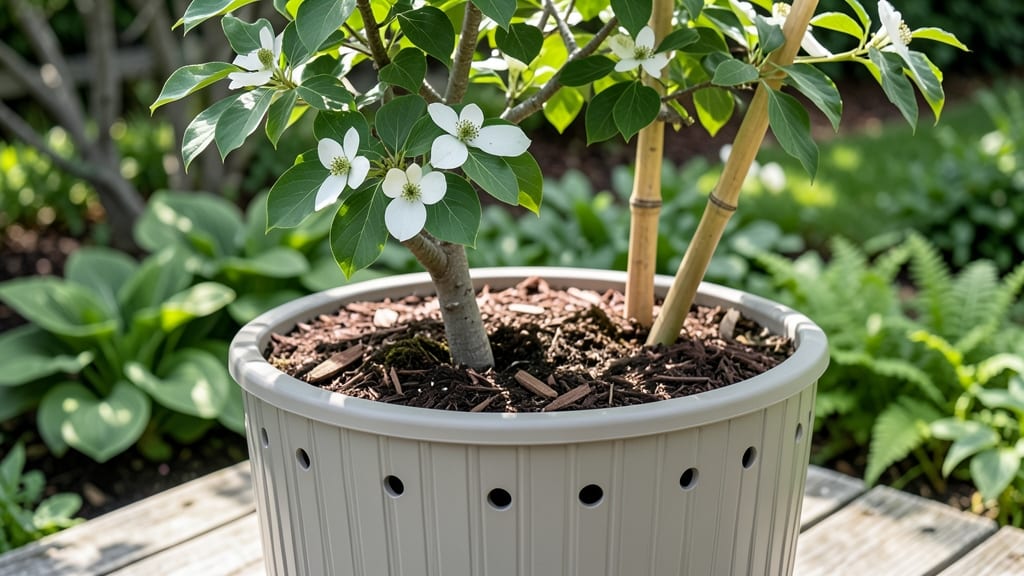
Growing a dogwood tree in a container turns your balcony into a springtime showstopper. 🌸 The right species—like Cornus florida 'Cherokee Brave' or Cornus kousa—thrives in pots with proper care, delivering those iconic blooms without needing a yard.
My first attempt failed when I ignored drainage, but once I fixed that, the tree grew three times faster than expected.
The secret starts with a 15-20 gallon container (minimum) and soil that mimics woodland conditions—equal parts potting mix, perlite, and compost. Dogwoods hate soggy roots, so add a 3-inch drainage layer of gravel or broken pottery.
I repot every 2-3 years to refresh the mix, and the tree rewards me with glossy leaves and clusters of white or pink flowers by May.
You’ll need morning sun and afternoon shade (6+ hours of light total) and water when the top inch of soil feels dry. Prune leggy branches in late winter to encourage bushier growth, and watch as your container dogwood becomes the neighborhood’s most talked-about small tree.
The key? Never letting it sit in standing water or bake in full sun.
Container dogwoods live 15-20 years with proper care—longer than most people expect. The trade-off? You’ll need to fertilize lightly in spring (balanced 10-10-10) and monitor for pests like scale. But the payoff? A tree that fits your space but still makes you feel like you’re living in a storybook.
📚 In This Guide
- What you need
- Instructions
- Tips and common mistakes
- Wrapping up and next steps
What you need
- ● Container: A large, durable pot (18–24 inches in diameter) with drainage holes. Opt for fiberglass, ceramic, or high-quality plastic to prevent cracking and ensure stability.
- ● Dogwood Tree: A dwarf or patio variety (e.g., Cornus florida ‘Cherokee Princess’ or Cornus kousa ‘Milky Way’) suited for containers. Check local nurseries for 1–3 gallon-sized saplings.
- ● Potting Mix: A well-draining, acidic mix (pH 5.0–6.5). Combine 50% peat moss or coconut coir, 30% perlite/pumice, and 20% compost for optimal aeration.
- ● Drainage Layer: 3–4 inches of gravel, expanded clay pebbles, or broken pottery to prevent root rot.
- ● Garden Gloves (to protect your hands while handling soil and roots).
- ● Trowel or Small Shovel (for planting and adjusting soil).
- ● Watering Can or Hose with Gentle Spray (avoid overwatering!).
- ○ Balcony Planter Stand or Saucer (optional, to catch runoff and add stability).
- ● Slow-Release Fertilizer (e.g., osmocote or acid-loving plant fertilizer) for seasonal feeding.
- ○ Mulch (Optional): Pine bark or wood chips (1–2 inches) to retain moisture and regulate temperature.
- ● A sunny to partially shaded spot (dogwoods thrive in 4–6 hours of morning sun).
- ● Access to soft, filtered water (chlorine-free if possible).
- ● Patience! Container dogwoods may take 2–3 years to reach full bloom.
Step-by-step guide to growing dogwood in containers
Transform your balcony or patio into a serene woodland retreat with this elegant approach to containerized dogwoods.
🪴 Step 1: Select the Right Container and Soil Mix
Choose a container with a minimum 18-inch diameter and depth to accommodate the tree's root system. I prefer glazed ceramic or high-quality plastic—they retain moisture while allowing proper drainage. Ensure the pot has multiple drainage holes to prevent root rot, which dogwoods are particularly susceptible to.
Use a well-draining potting mix specifically formulated for trees or shrubs. I blend 60% premium potting soil with 30% perlite and 10% compost to create a light, airy medium that mimics woodland soil conditions. This mix prevents compaction while providing the nutrients dogwoods need to thrive. Fill the container to 2 inches below the rim to allow room for watering.
🌱 Step 2: Plant Your Dogwood with Care
Gently remove the dogwood from its nursery pot and loosen the roots if they appear tightly bound. This encourages outward growth rather than circling the root ball. Place the tree in the center of the container, ensuring the root flare (where roots meet the trunk) sits just above the soil line—burying it too deep can suffocate the tree.
Backfill with your prepared mix, pressing lightly to eliminate air pockets but avoiding compaction. Water thoroughly until it drains freely from the bottom holes. The soil should feel evenly moist but not soggy. Mulch the surface with 1-2 inches of bark chips, keeping it 2 inches away from the trunk to prevent moisture buildup that can cause rot.
☀️ Step 3: Position for Optimal Light and Protection
Dogwoods thrive in partial shade, with 4-6 hours of morning sun and afternoon shade—especially in hotter climates. Place your container where it receives dappled light or under the canopy of a larger tree. If you must use a south-facing spot, provide afternoon shade during peak summer months to prevent leaf scorch.
Protect your dogwood from strong winds, which can dry out the soil and stress the tree. A sheltered balcony or patio with some natural windbreak works best. If your space is exposed, consider placing the container near a wall or using a windbreak screen on the prevailing wind side. During winter, move the container to a protected location if temperatures drop below 10°F—dogwoods are hardy but can suffer damage in extreme cold.
💧 Step 4: Water and Fertilize for Healthy Growth
Water your containerized dogwood deeply once a week, allowing the top 2 inches of soil to dry out between waterings. Dogwoods in containers dry out faster than in-ground trees, so check the moisture level by inserting your finger into the soil—if it feels dry, it's time to water. Avoid wetting the leaves to prevent fungal diseases like powdery mildew.
Fertilize in early spring with a balanced, slow-release fertilizer (10-10-10 or similar) applied at half the recommended rate. This provides nutrients without overwhelming the tree. In late summer, switch to a low-phosphorus, high-potassium fertilizer (like 5-5-10) to encourage root and flower development. Always water the tree before and after fertilizing to prevent root burn.
✂️ Step 5: Prune and Maintain for Long-Term Beauty
Prune your dogwood immediately after flowering to shape the tree and remove any dead, diseased, or crossing branches. Use clean, sharp pruners to make cuts just above a bud or branch collar—never leave stubs, as they invite decay. Aim to maintain an open, airy canopy that allows light to reach the inner branches, promoting even growth.
Containerized dogwoods benefit from annual repotting every 2-3 years to refresh the soil and accommodate root growth. Choose a container 2-4 inches larger in diameter each time, and trim circled or overly dense roots before repotting. This encourages outward growth and prevents the tree from becoming root-bound, which can stunt its development and reduce flowering.
Tips & tricks for perfect containerized dogwood care
Here's what nobody tells you about keeping your container dogwood thriving for years to come.
Container Size Matters: That 18-inch minimum diameter isn't just a suggestion—it's critical for root development. I've seen dogwoods struggle in smaller pots because their roots can't expand properly. If you're working with limited space, choose a slightly deeper container (20+ inches) rather than wider, as dogwoods develop a strong taproot. The extra depth gives roots room to grow downward while still allowing you to maintain proper moisture levels.
Soil Mix Secrets: The 60-30-10 blend of premium potting soil, perlite, and compost is non-negotiable for containerized dogwoods. I've found that adding a handful of orchid bark (optional) to the mix improves aeration even more—just mix it in with the perlite. This prevents that dreaded compaction that turns containers into soggy root prisons. Always test your mix by squeezing a handful: it should hold shape but crumble easily when pressed.
Light Positioning Hacks: The 4-6 hours of morning sun is ideal, but if your space only gets afternoon light, don't panic. Dogwoods adapt well to east-facing exposure where they get gentle morning light all day. For south-facing spots, use a lightweight shade cloth (30-50% shade) during peak afternoon hours—this prevents leaf scorch while still allowing plenty of light. I've kept dogwoods thriving in full sun with proper afternoon shade, but their leaves will be smaller and less vibrant.
Winter Protection Strategy: When temperatures drop below 10°F, your containerized dogwood needs more than just a cozy spot. Wrap the container in bubble wrap or thick burlap to insulate the roots, then place it against a south-facing wall where it gets reflected sunlight. For extra protection, add a layer of straw mulch (3-4 inches) around the base—just keep it clear of the trunk. I've successfully overwintered dogwoods in containers down to -5°F using this method, though their growth will naturally slow during cold months.
Pro Tips for Dogwood Tree In Container
- Here's what nobody tells you about keeping your container dogwood thriving for years to come.
- Container Size Matters: That 18-inch minimum diameter isn't just a suggestion—it's critical for root development. I'v...
- Soil Mix Secrets: The 60-30-10 blend of premium potting soil, perlite, and compost is non-negotiable for containerize...
Frequently asked questions
Got questions about growing a dogwood tree in a container? You’re not alone! Here are some of the most common concerns—plus expert tips to help you succeed.
How big of a container do I need for a dogwood tree?
A dogwood tree in a container thrives in a pot at least 18–24 inches wide and deep for dwarf varieties, or 24–36 inches for standard-sized trees. Use a container with drainage holes to prevent root rot. Larger pots allow for slower growth and more stability, but don’t overpot—dogwoods prefer snug spaces!
Can I keep a dogwood tree in a container year-round?
Yes, but with care! Dogwoods are hardy in USDA Zones 5–9. In colder zones (Zone 5 or below), move the container to a sheltered spot (like a garage or under an eave) before the first frost. Use insulated pots or wrap the container in bubble wrap for extra protection. In hot climates, provide afternoon shade to prevent stress.
How often should I water a potted dogwood tree?
Water your dogwood in a container when the top 1–2 inches of soil feel dry. Containers dry out faster than ground soil, so check moisture daily in summer. Avoid soggy soil—dogwoods hate "wet feet." Mulch the soil surface with 2–3 inches of organic mulch (like bark chips) to retain moisture and regulate temperature.
Will a dogwood tree bloom in a container?
With proper care, a container-grown dogwood can produce stunning spring blooms. Choose dwarf or semi-dwarf varieties (like 'Purple Bush' or 'White Cloud') for reliable flowering. Ensure it gets 6+ hours of sunlight daily and fertilize in early spring with a balanced, slow-release fertilizer (10-10-10) for best results.
Why are the leaves on my potted dogwood turning yellow?
Yellow leaves often signal overwatering, underwatering, or nutrient deficiencies. Check the soil moisture—if it’s soggy, reduce watering. If the soil is bone-dry, increase frequency. Yellowing can also mean iron deficiency (common in alkaline soil). Try a chelated iron supplement or amend soil with peat moss for acidity. Finally, inspect for pests like spider mites or fungal issues.
What’s the best fertilizer for a dogwood tree in a container?
Use a balanced, slow-release fertilizer (like 10-10-10 or 20-20-20) in early spring as new growth begins. Avoid high-nitrogen fertilizers, which promote leafy growth at the expense of flowers. For extra blooms, switch to a low-nitrogen, high-phosphorus formula (like 5-10-10) in late winter. Always follow label instructions—over-fertilizing can burn roots!
Wrapping up and next steps
Growing a dogwood tree in a container is a fantastic way to bring natural beauty to small spaces, balconies, or patios without sacrificing charm or health.
With the right pot, soil, sunlight, and care, your compact dogwood will thrive—adding year-round elegance with its stunning blooms, lush foliage, and graceful form. Whether you’re a seasoned gardener or a beginner, this project is achievable and rewarding!
Ready to transform your space? Start by selecting your dogwood variety—like the dwarf ‘Garnett’ or ‘Florida Pink’—and gather your supplies. Then, plant with confidence and enjoy the process of nurturing your tiny tree into a showstopper. Happy gardening! 🌿✨