
Trees
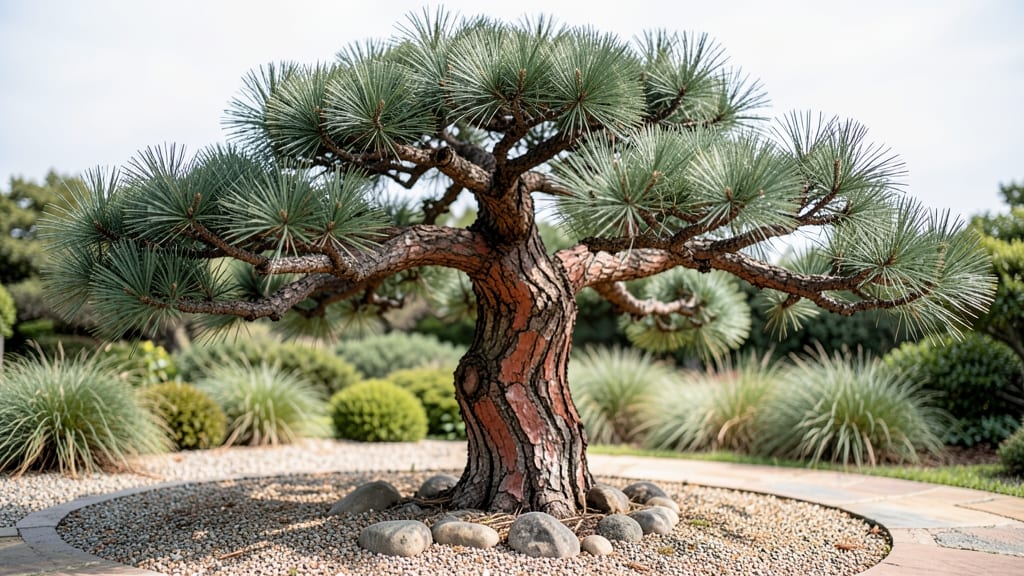
Sparse-branched evergreens transform gardens into modern art galleries. 🌲 These striking trees—like the Japanese black pine or Italian cypress—create bold vertical lines that anchor any landscape, offering year-round structure without overwhelming foliage. They thrive as focal points near entryways, privacy screens along property lines, or dramatic accents against dense shrubs.
The key is placement: full sun for most varieties, well-drained soil, and spacing that lets their natural shape shine without crowding. You’ll love how they contrast with lush perennials or ground covers, adding architectural interest while keeping maintenance low.
Their needles or leaves stay vibrant even in winter, ensuring your garden stays stunning through every season. Perfect for minimalist designs or as a statement piece in small yards. Here’s how to choose, place, and care for these modern evergreens like a pro.
Root Causes Behind Thin Canopies
Understanding why your evergreen tree has sparse branches starts with examining the underlying biological and environmental stressors shaping its growth. While some trees naturally grow with a minimalist silhouette, others develop this look due to preventable—or even reversible—factors. Let’s break down the science behind the most common culprits.
Evergreens rely on a gradual, balanced growth pattern to maintain their dense foliage. When pruning is done too aggressively—especially in late winter or early spring—you risk removing critical growth buds and branch collars, which are essential for new shoot development.
- Why it happens: - Hormonal disruption: Pruning stimulates the production of auxin, a plant hormone that regulates growth.
Overpruning can cause an imbalance, leading to fewer lateral branches and a "bare" look. - Stress response: Severe cuts trigger defense mechanisms that redirect energy toward recovery rather than foliage production. - Sunburn risk: Exposed inner branches (from heavy pruning) may scorch in direct sunlight, preventing new growth.
- Actionable fix:
- Prune in early summer (when new growth is already active).
- Remove no more than 25% of the canopy in a single session.
- Use clean, sharp tools to avoid tearing bark, which invites disease.
Evergreens are resilient, but they hate extremes. Prolonged drought, compacted soil, or nutrient deficiencies force trees to conserve resources, often at the expense of branch density.
- Why it happens: - Water scarcity: Roots struggle to absorb moisture, leading to stunted cell division in buds. This results in fewer, weaker branches. - Poor drainage: Waterlogged roots suffocate, limiting nutrient uptake.
Evergreens like pine and spruce are particularly sensitive to root rot in soggy conditions. - Nutrient deficiencies: Lack of nitrogen, phosphorus, or micronutrients (like iron or manganese) stunts growth. Yellowing needles (chlorosis) often signal iron deficiency, which directly impacts branch vigor.
- Actionable fix: - Mulch properly (2–4 inches of organic mulch) to retain moisture and improve soil structure. - Test soil pH (evergreens prefer acidic soil, pH 4.5–6.0).
Amend with sulfur or peat moss if needed. - Deep watering (1–2 inches per week) during dry spells, focusing on root zones.
Insects, fungi, and bacteria can silently sabotage your tree’s ability to produce dense foliage. Some pests strip needles, while others block nutrient flow in the vascular system.
- Why it happens: - Sap-sucking insects (e.g., spider mites, adelgids) weaken branches by disrupting photosynthesis.
Heavy infestations lead to needle drop and bare patches. - Fungal infections (e.g., root rot, needle blight) clog xylem vessels, preventing water and nutrient transport to outer branches. - Bacterial cankers create sunken, oozing wounds that kill branch tips, leaving a skeletal appearance.
- Actionable fix:
- Inspect for pests (look for webbing, sawdust-like frass, or sticky honeydew). Treat with neem oil or insecticidal soap for mild infestations.
- Remove infected branches (sterilize tools with rubbing alcohol between cuts).
- Improve air circulation by thinning dense foliage to prevent fungal spread.
Not all sparse canopies are a cause for alarm—some trees naturally grow this way due to genetics or maturity.
- Why it happens:
- Species characteristics: Some evergreens (e.g., Italian cypress, blue atlas cedar) are naturally open-grown, with whorled or sparse branching as part of their design.
- Slow growth habit: Mature trees may shed lower branches as they grow taller, creating a tapered silhouette.
- Seedling development: Young trees prioritize height over width to compete for sunlight, leading to a lanky, branch-sparse phase.
- Actionable fix:
- Research your tree’s species—if it’s a known open-grown type, embrace its natural form!
- Avoid over-pruning if the tree is young, as it may stress an already slow-growing specimen.
- Consider companion planting with shade-tolerant ground covers to fill in bare spots below.
Trauma from mechanical injury, construction, or improper planting can leave evergreens permanently stunted.
- Why it happens:
- Root circling: If planted in a narrow hole with wrapped roots, roots girdle and strangle the trunk, limiting nutrient flow to upper branches.
- Vibrations or compaction: Heavy machinery or foot traffic near roots disrupts mycorrhizal fungi, which help absorb water and nutrients.
- Wind or hail damage: Physical breaks in branches prevent regrowth, leaving permanent gaps.
- Actionable fix:
- Avoid planting near driveways or high-traffic areas.
- Loosen compacted soil around roots with a garden fork (gently!) to restore aeration.
- Stake young trees only if necessary, and remove stakes after 1–2 years to prevent girdling.
Too much—or the wrong type—of fertilizer can burn roots or disrupt nutrient ratios, leading to sparse, weak growth.
- Why it happens:
- Salt buildup: Over-fertilizing with synthetic nitrogen increases soil salinity, osmotically stressing roots and reducing water uptake.
- Micronutrient overload: Excess boron, copper, or zinc can toxic roots, causing branch dieback.
- Wrong pH: High soil pH (alkaline conditions) locks out iron and manganese, leading to chlorosis and poor branch development.
- Actionable fix:
- Use slow-release, organic fertilizers (e.g., compost, fish emulsion) for evergreens.
- Flush soil annually with water to leach excess salts.
- Apply chelated iron if chlorosis appears, and retest soil pH before amending.
A sparse evergreen isn’t always a death sentence—diagnosing the root cause (literally!) is the first step to revival. Start with a soil test, pest inspection, and growth history, then tailor your care accordingly. 🌿✨
Revitalizing Thin Canopies Naturally
If your evergreen’s sparse branches are leaving you with a less-than-lush silhouette, don’t despair—there are practical ways to nurse it back to fullness. The key lies in understanding the root cause (literally and figuratively) and applying targeted fixes.
Below, we’ve mapped out solutions tailored to common issues, from soil health to pruning techniques, with prevention tips to keep your tree thriving long-term.
If sparse branches stem from poor nutrition, your tree needs a balanced diet. Evergreens like pine, spruce, or juniper are heavy feeders, and their slow growth means they’re especially vulnerable to nutrient depletion.
🔥 Step 1: Test Your Soil
Before grabbing a bag of fertilizer, know what’s missing. Conduct a soil test (kits are affordable and available at garden centers) to check pH and nutrient levels. Evergreens prefer acidic soil (pH 5.0–6.5). If your soil is alkaline, amend it with sulfur or peat moss.
🍳 Step 2: Apply the Right Fertilizer
Use a slow-release, evergreen-specific fertilizer in early spring or fall. Look for a formula high in nitrogen (N), phosphorus (P), and potassium (K), like a 10-10-10 or 12-6-6 blend. For a natural boost, try:
- Compost or well-rotted manure (adds organic matter and microbes)
- Pine needle mulch (acidifies soil and retains moisture)
- Fish emulsion or seaweed extract (provides micronutrients like iron and zinc)
👨🍳 Step 3: Feed Deeply (But Not Too Close)
Spread fertilizer evenly under the dripline (the edge of the tree’s canopy) and water it in thoroughly. Avoid piling fertilizer against the trunk—this can burn roots. For large trees, use a broadfork to aerate compacted soil and improve nutrient absorption.
✨ Prevention Tip:
Mulch annually with 3–4 inches of organic mulch (like pine bark or shredded leaves) to protect roots and gradually enrich the soil. Never mulch against the trunk—keep it 2–3 inches away to prevent rot.
Drought or overwatering can stunt growth and lead to thin, sparse branches. Evergreens need consistent moisture, especially in their first few years, but they also hate soggy roots.
💡 Step 1: Check Moisture Levels
Stick your finger 2–3 inches into the soil. If it’s dry, water deeply. If it’s muddy, hold off until the topsoil dries slightly. Evergreens prefer slightly moist (not soggy) soil.
🌧️ Step 2: Water Correctly
Water slowly and deeply—about 1–1.5 inches per week, including rainfall. Use a soaker hose or drip irrigation to deliver water directly to the root zone without wetting foliage (which can cause fungal issues).
🔥 Step 3: Improve Drainage (If Needed)
If your tree sits in a low spot where water pools, amend the soil with compost or sand to improve drainage. For container-grown evergreens, ensure pots have drainage holes and use a well-draining mix.
🎯 Prevention Tip:
Mulch heavily around the base (but not the trunk) to retain moisture and regulate soil temperature. In hot climates, water in the early morning to reduce evaporation.
If your evergreen’s branches are naturally sparse (e.g., some pines or junipers), strategic pruning can encourage fuller growth. However, over-pruning can harm the tree, so proceed with caution.
🔪 Step 1: Prune at the Right Time
Prune dormant evergreens in late winter or early spring (before new growth starts). Avoid pruning in summer or fall, as this can stress the tree.
🌿 Step 2: Cut for Structure
Focus on:
- Removing dead or crossing branches (use clean, sharp pruners)
- Thinning out crowded growth to improve air circulation
- Avoiding “heading back” (cutting back to a bud)—this can stimulate weak, sparse growth in evergreens
🌟 Step 3: Encourage Filler Growth
For trees with naturally sparse branches (like some cultivars), selective pruning can promote denser foliage. For example:
- In pines, trim the tips of lower branches to encourage side shoots.
- In juniper or arborvitae, lightly shear the outer edges to stimulate bushier growth.
⚠️ Warning:
Never remove more than 25% of the canopy in one season. Over-pruning can shock the tree and lead to permanent thinning.
💡 Prevention Tip:
If your evergreen is mature and naturally sparse, embrace its dramatic silhouette—some species (like Ponderosa Pine or Italian Cypress) are prized for their airy, open forms. Prune lightly every 2–3 years to maintain shape.
Pests like spider mites, bagworms, or fungal infections can weaken evergreens, leading to sparse, stunted growth. Early intervention is key.
🐜 Step 1: Identify the Problem
Look for:
- Yellowing needles (could indicate spider mites, needle blight, or root rot)
- Bag-like structures on branches (sign of bagworms)
- Sawdust-like frass (indicates borers or beetles)
🚿 Step 2: Treat Accordingly
Use organic or targeted chemical solutions:
- For mites: Spray with neem oil or insecticidal soap.
- For bagworms: Handpick bags or apply Bt (Bacillus thuringiensis) in early summer.
- For fungal issues: Prune infected branches and treat with copper fungicide.
🌡️ Step 3: Prevent Future Infestations
Keep your tree healthy and stress-free—well-watered, mulched, and fertilized trees are less susceptible to pests. Also:
- Inspect trees monthly during growing season. <
Frequently asked questions
What are the best evergreen trees with sparse branches for small gardens?
The Italian cypress and dwarf Alberta spruce are perfect choices for small spaces. Their narrow, upright growth fits tight areas while creating stunning vertical lines. For ground cover options, consider creeping juniper varieties—they spread horizontally with minimal branching.
How do I know if my tree's sparse branches are natural or a problem?
Check the tree's species first—some like Ponderosa pine or blue atlas cedar naturally grow with sparse branches. If the tree is otherwise healthy (green needles, no dead spots), embrace its natural form! But if you see yellowing needles, bare patches, or slow growth, it may need better care or pest treatment.
Can I prune my evergreen to encourage denser branches?
Yes, but do it carefully! For pines, trim the tips of lower branches to encourage side shoots. For juniper or arborvitae, lightly shear the outer edges. Avoid heavy pruning—never remove more than 25% of the canopy in one season. Always prune in late winter or early spring when the tree is dormant.
What's the best way to plant an evergreen with sparse branches?
Dig a hole twice as wide as the root ball but no deeper. Place the tree so the top of the root ball sits 1-2 inches above ground level. Use well-draining soil mixed with compost, and water thoroughly after planting. Space trees 6-10 feet apart depending on mature size to prevent overcrowding.
How can I make my sparse evergreen look more dramatic?
Pair it with contrasting textures like lush perennials or ornamental grasses. Use mulch in complementary colors (dark brown for contrast, light gray for modern looks). For height, plant taller varieties behind it. Lighting can also help—spotlights highlight their architectural forms beautifully at night.