
Pests
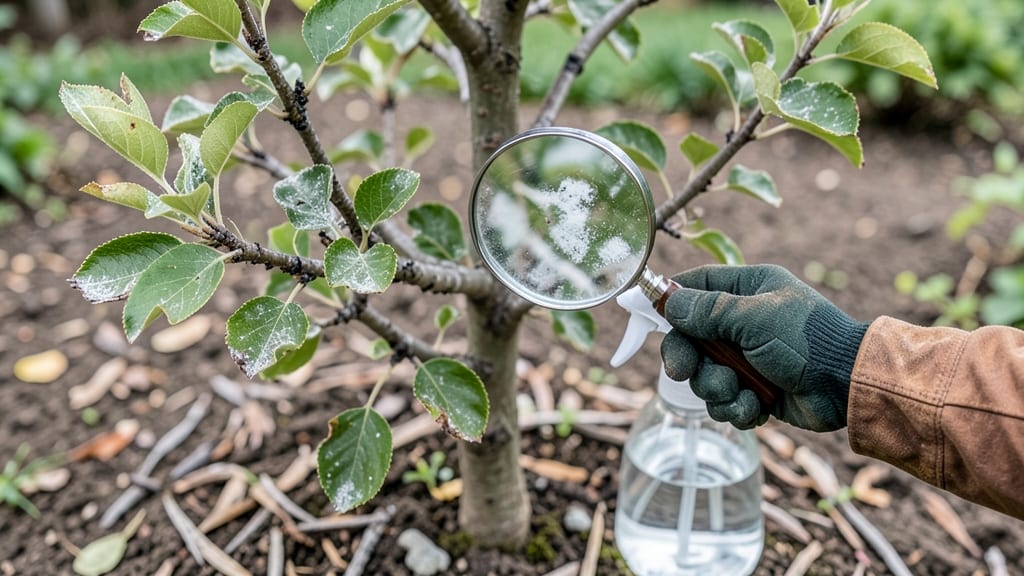
That white stuff on your tree branches isn’t just dirt—it’s a clue about what’s really going on. 🌳 Whether it’s fuzzy mold, crusty lichen, or those creepy egg sacs from pests, figuring out what it is fast means you can stop it before it spreads.
I’ve seen all three on my apple tree, and each one needs a totally different fix. The texture and location tell you everything: powdery mildew clings to leaves like flour dust, lichen grows in patches like moss, and pest egg masses look like cotton candy stuck to branches.
Grab a magnifying glass—this quick check saves you from wasting time on the wrong treatment. Once you know what you’re dealing with, the fix is straightforward. Scrape off lichen with a brush, spray mildew with neem oil, and prune branches with those egg sacs.
Most importantly, clean up fallen debris—it’s where the next infestation starts. This works for fruit trees, oaks, and even your backyard maple. No matter what’s causing it, you’ll have your tree looking clean and healthy in no time.
The Hidden Culprits Behind White Growth
When you spot that mysterious white stuff clinging to tree branches, it’s rarely just a random coincidence—it’s usually a sign of nature’s hidden players at work. Understanding why these white deposits appear helps you take the right action, whether that’s pruning, treating, or simply admiring an unusual (but harmless) spectacle.
Let’s break down the most common causes, backed by science, so you can diagnose the issue like a pro.
Fungi are the most frequent culprits behind white, fluffy growths on tree branches. These microscopic organisms release spores—tiny, lightweight cells that drift on the wind—to reproduce. When conditions are ideal (high humidity, warm temperatures, and organic debris), spores land on branches and germinate into visible colonies.
Two common fungal suspects stand out:
- Powdery Mildew: This fungus thrives on living plant tissue, creating a chalky, powdery white coating on leaves and stems. It’s often seen on stressed trees (like those in poor soil or crowded spaces) and spreads rapidly in shady, humid conditions. 💡 Pro Tip: Unlike mold, powdery mildew doesn’t require dead material—it feeds directly on the tree’s sap.
- Sooty Mold: This isn’t a primary fungus but a secondary invader that grows on honeydew (a sticky sap excreted by pests like aphids or scale insects). The mold itself doesn’t harm the tree, but it’s a red flag that pests are already feasting below the surface. ✨ Key Difference: Sooty mold is often black or dark gray, but it can appear white in early stages or on lighter bark.
Why it happens: Fungi release spores constantly, but they only become visible when they find a suitable host. Branches provide perfect perches for spores to land and germinate, especially if the tree is already weakened by drought, poor nutrition, or pest damage.
Not all white stuff is fungal—some of it is alive. Many insects lay their eggs in protective, cotton-like masses on tree branches. These egg sacs can resemble mold or mildew but are often woolly, webby, or clustered in specific patterns. Common offenders include:
- Spider Mites: These tiny arachnids (not true insects) spin fine white webs, especially on the undersides of leaves or along branches. Their egg sacs blend into the webbing, creating a fuzzy, ghostly appearance. 🔥 Watch For: Yellowing leaves or stippling (tiny dots) on foliage—signs of active feeding.
- Scale Insects: Female scale insects secrete a woolly wax to protect their egg masses, which can look like white fluff or cotton. These pests suck sap, weakening the tree over time. 👨🍳 Action Step: Scrape off heavy infestations with a putty knife (wear gloves!) to inspect for live pests.
- Bagworms: The larvae of these moths spin silk bags that resemble tiny white cocoons attached to branches. While the bags themselves are protective, the frass (feces) and shed skins inside can make them look like moldy growths.
Why it happens: Pests choose branches for egg-laying because they offer protection (from predators and weather) and nutrition (close proximity to leaves). Many insects time their egg-laying to coincide with new leaf growth in spring, ensuring their larvae have immediate access to food.
Not every white substance is biological. Sometimes, it’s a physical deposit left by the environment. These are usually harmless but can still be puzzling:
- Lichen: A symbiotic organism (fungus + algae or cyanobacteria), lichen grows slowly on bark and branches, creating crusty, powdery, or leafy white, gray, or greenish patches. It’s not parasitic—it feeds on moisture and sunlight, not the tree. 🌡️ Fun Fact: Lichen is one of the first colonizers of bare rock and can survive extreme conditions, like deserts or Arctic tundras.
- Pollution or Dust: In urban or industrial areas, branches can accumulate gypsum dust (from power plants), lime from nearby construction, or even pollen from nearby flowers. These deposits are usually dry, gritty, and easy to brush off. 🎯 Test It: Rub a finger over the white area—if it smears like chalk, it’s likely dust or pollution.
- Frost or Ice Crystals: In winter, branches can develop hoarfrost—delicate, feathery ice crystals that form when water vapor freezes directly onto surfaces. This is temporary and disappears with warmth. ❄️ Key Clue: It’ll look crystalline and brittle, not fuzzy or sticky.
Why it happens: Environmental deposits are passive—they stick to branches due to static electricity, wind, or moisture but don’t grow or reproduce. Unlike fungi or pests, they don’t require living tissue to thrive, making them non-threatening to tree health.
In rare instances, white growths can be the result of chemical interactions—not biological ones. For example:
- Alkaline Spray Drift: If a nearby lawn or garden was treated with lime or agricultural lime, wind can carry fine particles onto tree branches, leaving a white, powdery residue. This is inert (won’t harm the tree) but can indicate poor air quality.
- Mineral Deposits: Trees growing in areas with high mineral content in soil or water (like calcium or magnesium) may develop white crusts on bark or branches. This is more common in arid climates where evaporation leaves minerals behind.
Why it happens: Chemical deposits occur when particles become airborne due to wind, spraying, or natural erosion. They lack the organic structure of fungi or pests, so they’re usually uniform, powdery, and non-living.
Fixing White Buildup on Trees
Now that you’ve identified the culprit—whether it’s fungal growth, pest egg sacs, or something else—it’s time to act! Here’s how to tackle each common cause with practical, step-by-step solutions. Remember, prevention is key, so we’ll also share tips to keep your trees healthy and white-free in the future.
If the white stuff is fuzzy, powdery, or slimy, it’s likely mold or mildew. These fungi thrive in damp conditions and can weaken your trees over time.
🔥 Remove Infected Leaves and Debris 1. Gather tools: Wear gloves and a mask (fungal spores can irritate skin and lungs). Grab pruning shears, a rake, and a heavy-duty trash bag. 2. Prune affected branches: Cut off any branches with heavy mold or mildew growth.
Dispose of them in the trash—not your compost bin—to prevent reinfection. 3. Clean up fallen leaves: Rake up all leaves and debris beneath the tree. Fungal spores love hiding in organic matter.
🌧️ Improve Airflow and Drainage
- Thin out dense foliage: If your tree is overgrown, trim back branches to allow sunlight and air to circulate. Aim for a 20-30% reduction in density.
- Check for overwatering: Water trees deeply but infrequently.
Ensure the soil has proper drainage—amend clay soil with compost or sand if needed. - Mulch properly: Apply a 2-4 inch layer of mulch around the base (but keep it 6 inches away from the trunk to prevent rot).
🧴 Apply Fungicide (If Needed) For severe cases, use a copper-based or sulfur fungicide (like Neem Oil or Bordeaux Mixture). Follow these steps: 1. Choose the right product: Opt for an organic fungicide if you prefer chemical-free solutions.
Synthetic options (e.g., chlorothalonil) work faster but require caution. 2. Apply at dawn or dusk: This reduces harm to bees and other pollinators. Spray both the top and bottom of leaves until fully coated. 3. Reapply every 7-14 days: Consistency is key, especially after rain.
💡 Prevention Tips
- Water early in the day: This gives foliage time to dry before evening humidity sets in.
- Avoid overhead watering: Use drip irrigation or soaker hoses to keep leaves dry.
- Plant resistant species: Some trees (like serviceberry or ginkgo) are less prone to fungal issues.
If the white stuff looks like cottony clusters or sticky webs, you’re likely dealing with pest egg masses. These critters can drain your tree’s sap and attract ants or sooty mold.
🔪 Scrape Off Egg Sacs 1. Inspect closely: Use a magnifying glass to confirm the white masses are fluffy, waxy, or sticky.
Common offenders include: - Mealybugs (fluffy, white, cotton-like) - Scale insects (brown/white bumps with waxy shells) - Spider mites (tiny webs + white speckling) 2. Remove by hand: Wear gloves and gently scrape off the egg sacs with a soft brush or damp cloth.
Drop them into soapy water to kill them. 3. Check for adults: Look for adult pests hiding under leaves or along branches. Squish them or rinse them off with water.
🚿 Blast Them Away - Hose them off: For scale or mealybugs, use a strong stream of water (50+ PSI) to dislodge eggs and adults.
Do this early in the morning to avoid shocking the tree. - Repeat weekly: Pests lay multiple egg batches, so consistency is critical.
🍋 Natural Pesticides 1. Neem oil spray: - Mix 1 tsp neem oil + 1 tsp mild soap + 1 quart water. - Spray every 5-7 days until pests disappear.
- Insecticidal soap: - Use a pre-mixed solution (like Safer Brand Insect Killing Soap). - Spray directly on pests—avoid spraying in direct sunlight (it can harm leaves).
- Diatomaceous earth (DE): - Sprinkle food-grade DE around the base of the tree.
It’s non-toxic but deadly to insects by dehydrating them.
🕸️ Trap Predators (For Spider Mites)
- Release beneficial insects: Ladybugs, lacewings, and predatory mites eat spider mites. Buy them online or from garden centers.
- Set up yellow sticky traps: These attract and trap adult mites.
💡 Prevention Tips
- Encourage natural predators: Plant dill, fennel, or marigolds near your trees to attract beneficial bugs.
- Avoid over-fertilizing: Too much nitrogen attracts soft-bodied pests like mealybugs.
- Inspect regularly: Check trees weekly during growing season for early signs of infestation.
If the white stuff is crusty, powdery, or flaky (like frost or salt deposits), your tree might be reacting to environmental stress.
🌬️ Rinse Off Residue
- Gentle water spray: Use a soft hose to rinse off salt or frost buildup. Avoid high pressure to prevent leaf damage.
- Repeat as needed: Do this every few days until the white residue disappears.
🌱 Improve Tree Health
- Fertilize properly: Use a balanced, slow-release fertilizer (like 10-10-10) in early spring.
- Mulch heavily: A 3-4 inch layer of mulch helps insulate roots and retain moisture.
- Water deeply: 1-2 inches per week (more in extreme heat).
💡 Prevention Tips
- Use salt alternatives: If you live near roads, wash your tree’s trunk after winter salt treatments.
- Choose resilient species: Trees like oak, maple, or pine handle frost better than tropical varieties.
If the white buildup is spreading rapidly, your tree is dropping leaves, or you’re dealing with a large infestation, it’s time to call an arborist or pest control expert. They can assess whether your tree needs pruning, systemic treatments, or even removal in severe cases.
Final Pro Tip 🎯: Act fast! The sooner you address white buildup, the easier it is to save your tree. Most issues are manageable with basic care, patience, and prevention—so grab your gloves and get to work!
Frequently asked questions
Is white stuff on tree branches always harmful?
Not always! While fungal growths like powdery mildew or pest egg sacs can damage trees, some white deposits are harmless. Lichen, for example, is a symbiotic organism that feeds on moisture and sunlight—not your tree. Even frost or mineral deposits are usually just environmental buildup. Always check the texture: fuzzy or sticky growths need attention, while crusty or flaky deposits are often safe to ignore.
How do I tell if white buildup is mold vs. pest egg sacs?
Look closely! Mold (like powdery mildew) appears as a chalky, dusty coating that spreads across leaves and branches. Pest egg sacs, however, are usually clustered, cottony, or waxy—often found in specific spots. Run your finger over it: mold wipes off like flour, while egg sacs feel sticky or webby. Check for tiny pests or webbing underneath to confirm.
Can I use household items to remove white growth?
Yes! For mild cases, mix 1 tablespoon baking soda + 1 teaspoon dish soap + 1 gallon water in a spray bottle. This works for powdery mildew. To remove pest egg sacs, use a damp cloth or soft brush to gently scrape them off. For stubborn deposits, a hose with gentle pressure (early morning) can rinse away environmental buildup without harming the tree.
Why does my tree keep getting white stuff even after treatment?
Fungal spores or pest eggs can return if conditions (like humidity or poor airflow) aren’t addressed. Focus on prevention: prune for better airflow, water at the base (not overhead), and clean up fallen leaves. Reapply treatments every 7-14 days during outbreaks. If the problem persists, your tree may be stressed—check for root issues or nutrient deficiencies.
Is it safe to prune branches with white growth?
Pruning removes infected or infested areas, stopping the spread. Use sterilized shears (wipe with rubbing alcohol) to avoid cross-contamination. Dispose of pruned branches in the trash—not your compost—since fungal spores or pest eggs can survive. For large trees, consider hiring an arborist to handle heavy branches safely.