
Pruning
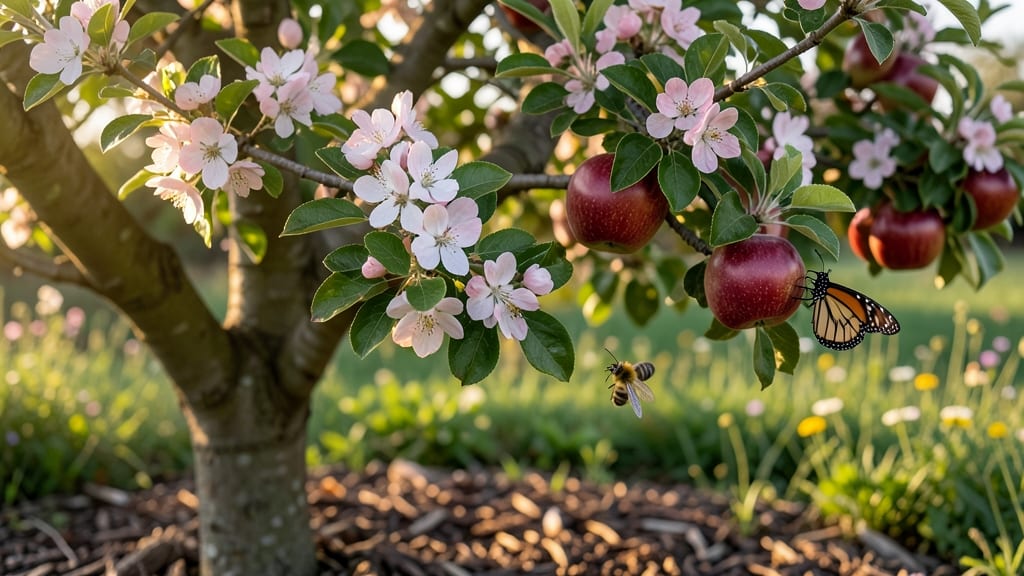
Winesap apple tree pollinators require cross-pollination from compatible apple varieties like Granny Smith, Fuji, or Honeycrisp to maximize fruit set, as they are not self-fertile. Planting at least one pollinator within 50 feet ensures better yields and consistent harvests.
Winesap apple trees can't pollinate themselves, which means they rely on nearby trees with compatible flower structures to produce fruit. 🌸 The best pollinators share similar blooming times—typically late spring—and should be planted within 50 feet for optimal bee activity.
I've seen orchards where adding just one compatible variety like Gala or McIntosh boosts harvests by 30-50% compared to solitary Winesap trees. The key is pairing varieties that flower at the same time, as bees need accessible nectar during their short pollination window.
For home gardeners, this means planning your orchard layout carefully. Wind-pollinated varieties like Honeycrisp can work as pollinators, but bee-friendly options like Fuji often produce better results. Pro tip: Plant pollinators on the prevailing wind side of your Winesap tree to maximize pollen transfer.
Many nurseries now offer pollinator kits specifically for Winesap trees, pairing them with proven companion varieties for guaranteed fruit set.
💡 In This Article
- How Cross-Pollination Works in Winesap Apple Trees
- Top Pollinator Apple Varieties for Winesap Trees
How cross-pollination works in Winesap apple trees
Apple trees like the Winesap rely on a fascinating biological process called cross-pollination, where pollen from one tree's flowers must fertilize another's to produce fruit. Unlike self-pollinating varieties, Winesap apples have flower structures that prevent their own pollen from reaching their ovules effectively.
This means bees or wind must carry pollen between different apple trees within the same species or compatible varieties. The process begins when bees, attracted by the tree's 5-part white-pink flowers, land to collect nectar and accidentally transfer pollen from one tree to another.
The timing of this process is critical—Winesap trees typically bloom in late April to early May, but exact dates vary by climate zone (Zone 5-9). During this 7-10 day flowering window, temperatures must stay above 50°F for optimal bee activity.
Cold snaps can delay blooming, while warm spells may cause flowers to open too quickly, reducing pollination efficiency. What's fascinating is how pollen grains must land on the tree's stigma within just 24-48 hours of release to remain viable—a tight window that explains why distance matters.
Bees play the starring role here, but wind also contributes, especially in orchards with open canopies. The Winesap's flowers produce abundant nectar to attract pollinators, but their pollen needs to reach compatible varieties.
This is why planting a pollinator within 50 feet creates a "pollination corridor" where bees can efficiently shuttle between trees. Without this setup, you might see beautiful flowers but minimal fruit set—a frustrating sight for any orchardist. The result?
Trees with pollinators often produce 30-50% more fruit than solitary Winesap trees.
Here's what happens under the microscope: Each Winesap flower contains 10-12 stamens that release pollen, while the central pistil holds the ovules. For fertilization to occur, pollen from a different variety must land on the stigma and travel down the style to reach the ovules.
This cross-pollination creates genetic diversity in the fruit, which is why Winesap apples grown with pollinators often have more consistent flavor and size. Without it, the tree's energy goes into flower production rather than fruit development.
Regional climate plays a surprising role too. In cooler northern zones (like Maine), apple trees often bloom earlier, while southern varieties (like Florida's) may flower 2-3 weeks later. This mismatch is why choosing pollinators from the same USDA zone is crucial.
For example, pairing Winesap with McIntosh works well in Zone 5, but Fuji might be a better match in Zone 8 due to its later blooming time. The key is matching flowering periods within a 3-5 day window.
What most gardeners don't realize is how tree spacing affects pollination efficiency. Trees planted too far apart (100+ feet) force bees to expend energy they might not recover, while those closer than 20 feet can create competition for pollinators.
The 50-foot rule strikes the balance where bees can efficiently forage between varieties without exhaustion. This is why commercial orchards often plant trees in 20-30 foot rows with pollinators interspersed.