
Pruning
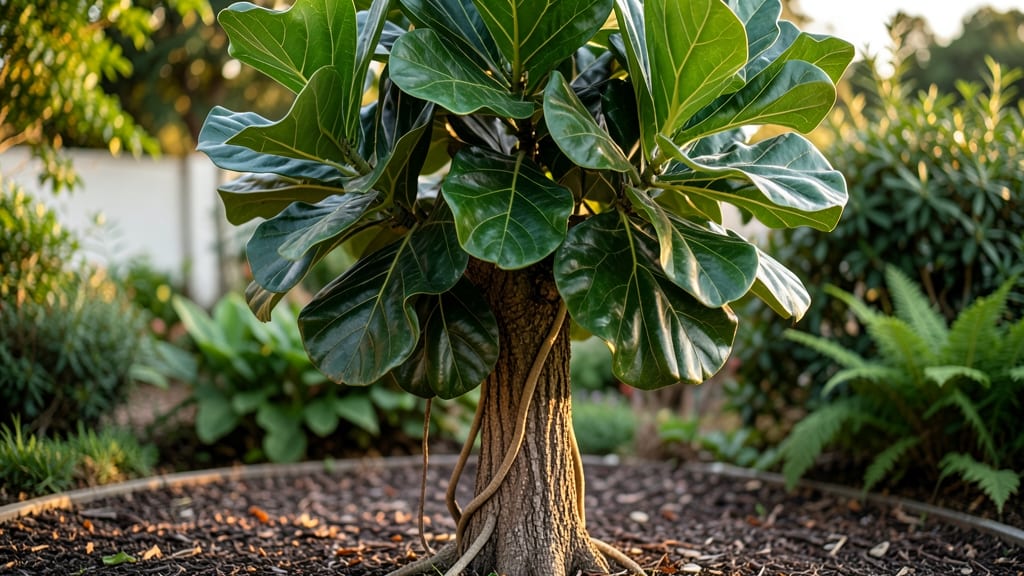
Your ficus lyrata tree can become an outdoor showstopper with the right pruning strategy—just don’t let it turn into a leggy mess. ✂️ I’ve learned the hard way that outdoor fiddle-leaf figs need more than just sunlight to thrive; they demand careful shaping to keep their signature lush canopy.
The key is timing: prune in late spring or early summer when new growth is just waking up, and you’ll avoid the shock that kills so many plants.
Start with clean, sharp pruners and focus on removing dead or yellowing leaves first—those are the plant’s way of telling you it’s stressed. Then, trim back any overly long stems by about a third to encourage bushier growth.
The goal is to maintain that natural, balanced shape while keeping the plant strong enough to handle outdoor temperatures, which can swing wildly depending on your zone.
By late summer, you’ll notice new leaves emerging thicker and darker than before—proof the pruning worked. The plant will also be better equipped to handle cooler weather, as it’s put on denser growth.
Just remember: outdoor ficus lyrata trees are sensitive to frost, so bring potted plants inside before temperatures drop below 50°F.
With consistent care, your fiddle-leaf fig will reward you with glossy, deep-green leaves that make neighbors stop and stare. The secret? Prune regularly, monitor for pests (like spider mites), and adjust watering as seasons change.
It’s not just about cutting—it’s about nurturing a plant that can handle the outdoors like a pro.
📚 In This Guide
- What you need
- Instructions
- Tips and common mistakes
- Wrapping up and next steps
What you need
- ○ Pruning shears – Bypass pruners (sharp, 5-6" blades) for clean cuts. Optional: Loppers for thicker branches.
- ● Disinfectant – 70% isopropyl alcohol or rubbing alcohol to sterilize tools.
- ● Garden gloves – Heavy-duty, cut-resistant (latex or nitrile) to protect hands from sap.
- ○ Sealing wax or pruning sealant – Optional but helpful for large cuts (1–2 oz jar).
- ● Compost or potting mix – 2–3 gallons for repurposing cuttings (if propagating).
- ● Watering can or hose – With a gentle spray nozzle for post-pruning hydration.
- ● Ladder or step stool – 6–8 ft tall (if tree exceeds 6 ft).
- ● Tarp or drop cloth – Medium-sized (5x7 ft) to catch debris.
- ● Trimming saw – Only if branches exceed 2" in diameter.
- ● Plastic bags or containers – For collecting clippings (if composting or disposing).
- ● Sunlight check – Ensure your tree gets bright, indirect light (morning sun is ideal).
- ● Weather window – Prune on a mild, dry day (avoid frost or extreme heat).
- ● Watering schedule – Water 1–2 days before pruning to reduce stress.
- ● Safety first! – Wear long sleeves and closed-toe shoes (sap can irritate skin).
Instructions for pruning your Ficus lyrata tree outdoor
Here's how I keep my fiddle-leaf fig thriving outdoors—no matter the season.
🌿 Step 1: Assess Growth and Identify Pruning Points
Start by examining your tree for yellowed, damaged, or overcrowded leaves. I focus on removing leaves that are more than 1/3 brown or have black spots from pests. Healthy leaves should be deep green with a slight sheen—anything dull or limp needs attention. Look for branches growing inward or crossing others; these compete for sunlight and can weaken the tree.
Use your fingers to gently feel the stems. New growth should be firm, while old or dead wood feels hollow or brittle when pressed. Mark these areas with a soft pencil before pruning—this prevents accidental over-trimming. I always prune just above a leaf node (the bump where leaves attach) to encourage new growth from that spot.
✂️ Step 2: Prune for Shape and Airflow
Use clean, sharp pruning shears to make cuts at a 45-degree angle, about 1/4 inch above a leaf node. Never cut too close to the node or you risk damaging the growth point. Start with the lowest branches to create an open center—this improves airflow and reduces humidity-related diseases like powdery mildew. Aim for a vase-like shape with the widest part near the bottom.
For leggy growth, cut back stems to just above a strong set of leaves. The tree will send out new shoots from that node, creating bushier growth. I like to step back every few cuts to check the overall shape—this prevents over-pruning. If you're unsure, less is always better; fiddle-leaf figs recover well but hate aggressive cuts.
☀️ Step 3: Seasonal Pruning Adjustments
Spring is the best time to prune for new growth, but you can do light maintenance year-round. In spring and summer, focus on shaping and removing dead leaves to encourage vibrant foliage. Avoid heavy pruning during fall and winter—the tree needs all its energy to store nutrients for the next growing season. If you must prune in winter, limit it to removing only dead or diseased branches.
After pruning, wipe down the shears with rubbing alcohol to sterilize them. This prevents spreading diseases between cuts. Water the tree deeply the day after pruning to help it recover. You'll notice new leaves emerging from the pruned nodes within 4-6 weeks—this is your sign the tree is happy and growing.
🪴 Step 4: Post-Pruning Care for Strong Recovery
Move your fiddle-leaf fig to a spot with bright, indirect light for a week after pruning. Direct sunlight can stress the tree while it recovers. I also avoid fertilizing for 4-6 weeks post-prune to let the roots adjust. Instead, focus on keeping the soil lightly moist—stick your finger in the top 2 inches of soil; if it feels dry, water gently until it drains from the bottom.
Watch for new growth at the pruned nodes. If you see small, pale leaves emerging, increase humidity around the plant by misting daily or placing a tray of water with pebbles nearby. This mimics the tropical environment the fiddle-leaf fig thrives in. Avoid overwatering, though—soggy soil can rot the roots, especially after pruning.
Tips & tricks for perfect fiddle-leaf fig pruning
Here's what I've learned after years of keeping my fiddle-leaf fig looking its best—these tricks save time and keep your tree thriving.
Visual Cues for Pruning: When assessing leaves in Step 1, hold them up to a bright light—you'll see the difference between healthy and damaged leaves more clearly. A healthy leaf should feel slightly waxy to the touch, while damaged leaves will feel papery or brittle. I've found that leaves with brown edges but still green centers often recover if you just trim the brown parts rather than removing the whole leaf. This preserves more foliage while still improving the tree's appearance.
Tool Maintenance: Your pruning shears are just as important as your technique. After every use, clean them thoroughly with rubbing alcohol and store them in a dry place. I keep a small bottle of alcohol near my gardening tools—it takes just seconds to wipe down the blades between cuts. Sharp, clean tools make precise cuts that heal faster, reducing the risk of infection. Dull shears can crush stems, which stresses the tree and slows recovery.
Seasonal Timing Secret: While spring is ideal for pruning, I've discovered that late summer (around August) is actually the second-best time for shaping your fiddle-leaf fig. The tree has finished its main growth spurt but still has time to recover before winter. Just avoid pruning if temperatures are forecasted to drop below 50°F in the week following—cold stress can set in before the tree has a chance to heal. The 4-6 week recovery time mentioned in Step 3 is crucial during cooler months.
Post-Prune Recovery Hack: After pruning, I've found that placing the tree near a humidifier or in a bathroom with steam running can create the perfect recovery environment. The increased humidity mimics tropical conditions and helps new leaves emerge faster. Just avoid direct misting on the pruned nodes—keep the foliage dry while maintaining overall humidity. This little trick has helped me see new growth appear in just 3 weeks instead of the usual 4-6 weeks.
Pro Tips for Ficus Lyrata Tree Outdoor
- Here's what I've learned after years of keeping my fiddle-leaf fig looking its best—these tricks save time and keep your tree thriving.
- Visual Cues for Pruning: When assessing leaves in Step 1, hold them up to a bright light—you'll see the difference between healthy and damaged leaves more clearly.
- Tool Maintenance: Your pruning shears are just as important as your technique.
Frequently asked questions
Can a Ficus lyrata survive outdoors year-round in cold climates?
A Ficus lyrata is tropical and hates frost. If you live in USDA zones below 10, bring it indoors before temps drop below 50°F (10°C). For milder winters (zones 10-11), protect it with burlap wraps or move it to a sheltered spot. Pro tip: Mulch the pot base to insulate roots!
When is the best time to prune a Ficus lyrata outdoors?
Prune in early spring (March–April) to encourage new growth before the growing season. Avoid heavy pruning in fall/winter—it stresses the tree. Light trimming (removing yellow leaves or leggy stems) can happen anytime, but never cut more than 1/3 of the foliage at once.
How do I protect my Ficus lyrata from outdoor pests like spider mites or mealybugs?
Prevent pests with neem oil spray (monthly in warm months) or insecticidal soap. Keep leaves dust-free (wipe with a damp cloth) and avoid overwatering. If infested, isolate the plant and treat with horticultural oil. Early detection = easier fixes!
Is direct sunlight okay for an outdoor Ficus lyrata?
Nope!
While it loves bright, indirect light, harsh afternoon sun can scorch leaves. Place it in morning sun + afternoon shade (e.g., under a patio cover). East-facing spots or filtered light through trees work best. Yellowing leaves? It’s probably getting too much sun.
Can I prune a Ficus lyrata to keep it smaller for a patio?
Prune just above a leaf node (where leaves grow) to encourage bushier growth. For a tree-shaped look, trim evenly around the top. Warning: Heavy pruning may reduce flowering (if it ever blooms). Patience pays off—new growth takes 4–6 weeks!
What do I do if my Ficus lyrata’s leaves turn brown after moving it outside?
Brown edges? It’s likely environmental shock (wind, cold drafts, or sudden heat). Gradually acclimate it to outdoor temps (harden off over 1–2 weeks). Check for underwatering (stick your finger in the soil—top inch should be dry). If spots stay brown, trim them off to redirect energy.
Wrapping up and next steps
Growing a Ficus lyrata outdoors is a rewarding journey—with the right pruning techniques, you’ll enjoy a stunning, towering centerpiece year-round. 🌿 Remember to trim strategically, sterilize tools, and adjust care seasonally to keep your tree thriving. Whether you’re a beginner or a green thumb, consistency is key!
Ready to elevate your outdoor space? Start small—pick a sunny spot, gather your tools, and give your Ficus lyrata the love it deserves. Watch it flourish!