
Pruning
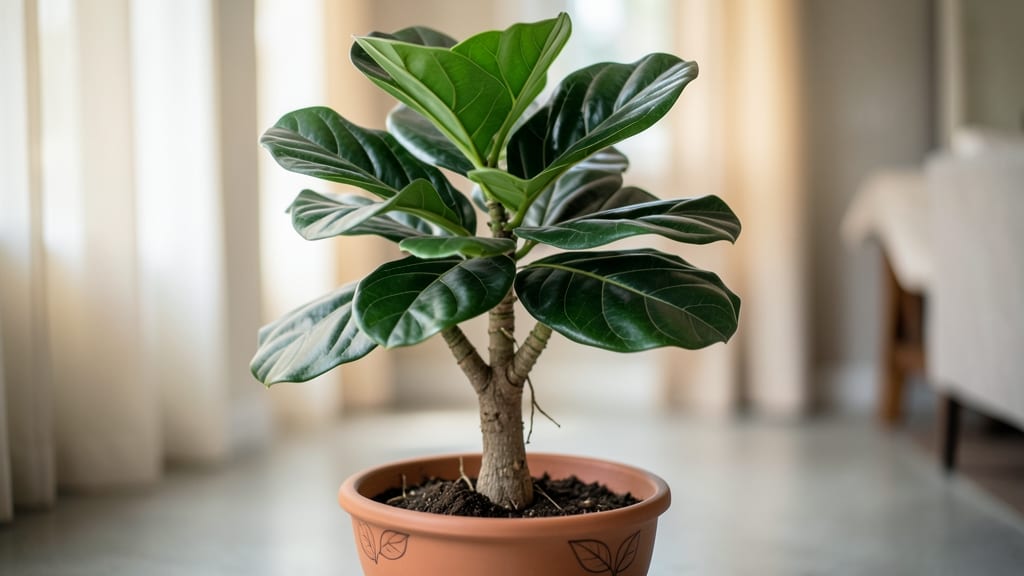
A ficus tree in planter can be your year-round statement piece—glossy leaves and all. 🌿 I’ve turned mine into a living room centerpiece by choosing the right container, drainage, and placement, and the results are shockingly lush.
The key isn’t just picking a pot; it’s creating an environment where the tree thrives without fuss. Start with a planter 12-18 inches wider than the tree’s current root ball, using terracotta or fiberglass for breathability.
Add a 3-inch layer of gravel at the bottom for drainage—ficus roots hate soggy feet. Decorative elements like pebbles or moss around the base elevate the look while keeping moisture balanced. Place near a bright, indirect-light window (south or west-facing works best).
With minimal pruning, your ficus will reward you with new growth every 4-6 weeks and leaves so big they’ll make your space feel intentional. The secret? Water only when the top inch of soil is dry and wipe leaves occasionally to keep them dust-free.
Outdoor planters need winter protection, but indoors, it’s a no-fail tropical vibe. This setup works for dwarf varieties in small pots or taller types in floor-standing planters. The only rule? Never let it sit in standing water—that’s how you kill a ficus fast.
Once you nail the basics, you’ll have a tree that looks expensive but costs next to nothing to maintain.
📚 In This Guide
- What you need
- Instructions
- Tips and common mistakes
- Wrapping up and next steps
What you need
- ● Ficus tree – Choose a Ficus elastica (rubber plant), Ficus benjamina (weeping fig), or Ficus lyrata (fiddle-leaf fig). Ensure it’s potted and healthy, with a root system suited for container life.
- ● Planter – A durable, well-draining container (12–18 inches deep for small trees, larger for mature specimens). Terra cotta or fabric grow bags work best for airflow.
- ● High-quality potting mix – A blend of peat moss, perlite, and compost (or a pre-mixed ficus-friendly soil with good aeration). Avoid garden soil—it compacts and drains poorly.
- ● Pruning tools: Sharp bypass pruners (for clean cuts on small branches).
- ● Small hand pruners or felco pruners (for thicker stems).
- ● Sterilizing alcohol wipes (70% isopropyl alcohol) to disinfect tools between cuts.
- ● Drainage layer – Pebbles, gravel, or broken pottery (1–2 inches) at the bottom of the planter to prevent root rot.
- ○ Support system (optional but helpful) – A bamboo stake or trellis if your ficus grows tall or leggy.
- ● Slow-release fertilizer – Granular or spike form (like Osmocote) for steady nutrition.
- ● Misting bottle – For humidity-loving species like Ficus lyrata.
- ● Grow lights – LED or fluorescent full-spectrum bulbs if your ficus gets <5 hours of sunlight daily.
- ● Root stimulator – A mycorrhizal fungus or hydrogel to boost root health during repotting.
- ● Decorative mulch – Orchid bark or pine needles to retain moisture and add aesthetic flair.
Step-by-Step guide to growing a ficus tree in a planter
Here's how to keep your ficus thriving year-round with just a few key adjustments.
🪴 Step 1: Select the Right Planter and Drainage
Choose a planter with drainage holes—ficus roots hate soggy soil. I prefer 12-18 inches wide for mature trees, with at least 12 inches deep to accommodate root growth. If your planter lacks drainage, drill holes in the bottom and add a 2-inch layer of gravel at the base to prevent compaction.
Terracotta pots work well because they wick away excess moisture, but they dry out faster. For larger planters, opt for lightweight plastic with drainage—it retains moisture longer. Avoid glazed ceramic unless you're committed to frequent watering checks.
🌱 Step 2: Prepare the Soil and Plant Correctly
Use a well-draining potting mix—never garden soil. I blend 50% premium potting mix with 30% perlite and 20% orchid bark for aeration. Fill the pot to 2 inches below the rim, leaving room for watering. Gently remove the ficus from its nursery pot and loosen the roots if they're circling.
Place the tree in the center of the planter and backfill with soil, pressing lightly to eliminate air pockets. Water immediately after planting to settle the roots. Ficus trees prefer slightly acidic soil (pH 6.0-7.0)—test your mix if you notice yellowing leaves after a few weeks.
☀️ Step 3: Position for Optimal Light and Temperature
Ficus trees thrive in bright, indirect light—think east or west-facing windows. Direct sun can scorch leaves, while too little light causes leggy growth. If outdoors, place in partial shade during summer. Indoors, rotate the planter quarter-turn weekly to ensure even growth.
Keep temperatures between 65-80°F—ficus trees dislike drafts and sudden temperature swings. Avoid placing near heating vents or air conditioners, which cause leaf drop. In winter, move planters away from cold windows to prevent root damage.
💧 Step 4: Water and Fertilize for Consistent Growth
Water when the top 2 inches of soil feel dry—stick your finger in to check. Overwatering is the #1 killer of ficus trees. Let excess water drain completely from the saucer after watering. In summer, you may need to water every 5-7 days; in winter, every 10-14 days.
Fertilize every 6-8 weeks in spring and summer with a balanced liquid fertilizer (10-10-10). Reduce feeding in fall and winter—too much fertilizer causes salt buildup, which burns roots. Flush the soil with water once a month to prevent buildup, especially if using tap water.
✂️ Step 5: Prune Minimally for Shape and Health
Prune only to remove dead or yellowing leaves or to shape the tree. Use clean, sharp pruners to cut just above a leaf node at a 45-degree angle. Avoid heavy pruning—ficus trees respond poorly to drastic cuts. If you notice leggy growth, trim the top 1-2 inches to encourage bushier foliage.
Wear gloves when pruning—ficus sap can irritate skin. After pruning, wipe the cuts with a 1:9 hydrogen peroxide-to-water solution to prevent bacterial infections. Never prune in winter unless removing dead branches, as the tree is in dormancy.
Tips & tricks for perfect ficus tree care in planters
Here's what nobody tells you about keeping your ficus lush and healthy with minimal fuss.
Drainage is Non-Negotiable: That 2-inch gravel layer in Step 1 isn't just optional—it's your first line of defense against root rot. If you're using a planter without holes, add a layer of hydroton clay pebbles instead of gravel for better moisture control. I've seen ficus trees die within weeks from soggy roots, and it's always the drainage that failed first.
Soil Mix Secrets: The 50-30-20 blend in Step 2 works wonders, but here's the pro move: add 1 part worm castings to that mix for extra nutrients. Worm castings improve moisture retention while providing gentle, slow-release nutrition. If you notice yellowing leaves after a few weeks, that's your cue to test your soil pH—ficus trees need that 6.0-7.0 range to thrive.
Light Rotation Hack: The quarter-turn weekly rotation in Step 3 prevents lopsided growth, but here's the real trick: use a small mirror on the opposite side of the window to reflect extra light. This helps when your ficus starts leaning toward the light source. In winter, supplement with a grow light for 4-6 hours daily if natural light drops below 6 hours.
Watering Wisdom: That "top 2 inches dry" rule in Step 4 is golden, but here's how to take it further: water in the morning so excess moisture evaporates during the day. In winter, reduce watering to every 14-21 days—overwatering is the silent killer, especially when combined with cooler temperatures. Always empty saucers within 30 minutes to prevent root suffocation.
Pro Tips for Ficus Tree In Planter
- Here's what nobody tells you about keeping your ficus lush and healthy with minimal fuss.
- Drainage is Non-Negotiable: That 2-inch gravel layer in Step 1 isn't just optional—it's your first line of defense ag...
- Soil Mix Secrets: The 50-30-20 blend in Step 2 works wonders, but here's the pro move: add 1 part worm castings to th...
Frequently asked questions
Got questions about keeping your ficus tree in a planter happy and healthy? We’ve got answers! Whether you’re a new plant parent or a seasoned green thumb, these FAQs will help you troubleshoot common challenges and make the most of your space.
How often should I repot a ficus tree in a planter?
Repot your ficus every 2-3 years or when roots circle the pot’s base. Spring is the best time—it aligns with new growth. Choose a planter just 2-3 inches wider than the current one to avoid overwhelming the tree. Pro tip: Refresh the soil with a mix of potting soil and perlite for better drainage!
Can a ficus tree survive winter in a planter outdoors?
Ficus trees are tropical and struggle in freezing temps. If you live in a cold climate, move the planter indoors near a bright window or under grow lights before temps drop below 45°F (7°C). If left outside, use frost cloth or a greenhouse to protect it. Warning: Sudden temperature drops can shock the tree—gradual adjustments help!
Why are the leaves yellowing on my ficus in a planter?
Yellow leaves often signal overwatering or poor drainage. Let the top 1-2 inches of soil dry out between waterings, and ensure the planter has drainage holes. Check for root rot by gently lifting the tree—if roots smell foul or feel mushy, trim the affected parts and repot with fresh soil. Bonus: Dusty leaves? Wipe them with a damp cloth to boost photosynthesis!
What’s the best planter size for a ficus tree?
Start with a planter 12-18 inches wide for a young ficus, but avoid oversized pots—this can lead to soggy soil. As the tree grows, upgrade to a planter 10-20% larger in diameter. Self-watering planters work well, but monitor moisture levels closely. Material matters: Terracotta breathes better, while plastic retains moisture longer.
Can I prune a ficus tree in a planter year-round?
Light pruning (removing dead or overgrown branches) can happen anytime, but major pruning is best in spring or early summer to encourage bushier growth. Avoid heavy pruning in fall/winter—it stresses the tree. Always sterilize tools with rubbing alcohol to prevent disease. Quick tip: Prune just above a leaf node for the cleanest cuts!
Wrapping up and next steps
Growing a ficus tree in a planter is a rewarding experience—it’s low-maintenance, stylish, and thrives with just a little care! 🌿 The key is understanding its needs: bright, indirect light, occasional pruning to shape it, and well-draining soil.
With these basics, your ficus will flourish year-round and become a stunning centerpiece for your space.
Ready to take the next step? Start by observing your tree weekly—adjust its light, water, or pruning as needed. Soon, you’ll have a lush, healthy ficus that brings life to any room. Happy gardening! 🌱