
Picking
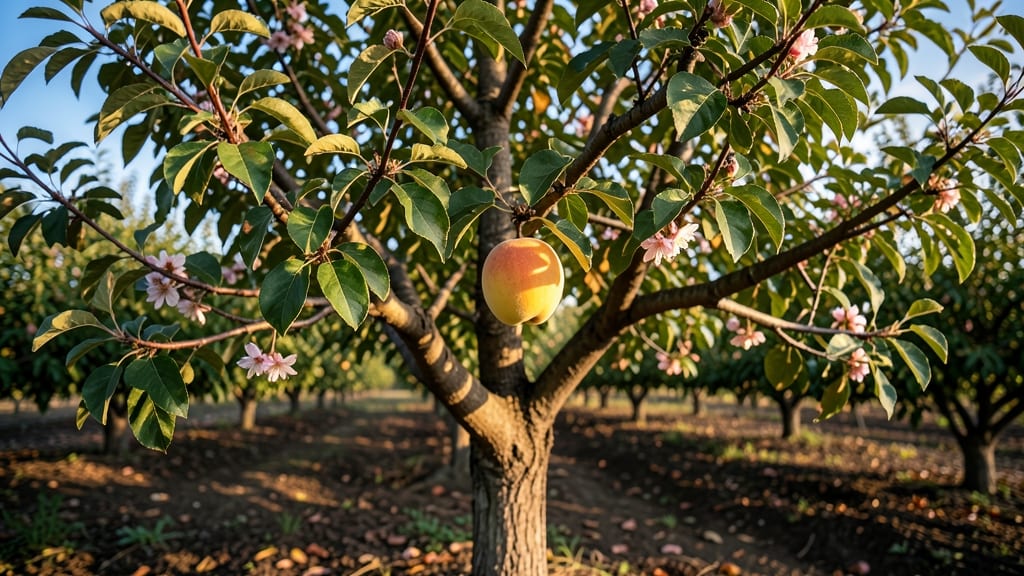
Growing a Florida King Peach Tree 🍑 with minimal chill hours is now possible thanks to breakthrough varieties that thrive in the state’s warm winters.
For years, Florida gardeners watched their peach dreams wither—until new low-chill varieties hit the market. These trees need just 200-400 chill hours (vs. the traditional 600+), making them perfect for USDA zones 9b-11.
But how do you pick the right variety, create the ideal microclimate, or even grow one in a container? Below, I’ll walk you through the top chill-hardy options, soil tricks to mimic winter dormancy, and container hacks for small spaces.
Ready to turn your Florida yard into a peach orchard? Let’s get started with the game-changing varieties that finally make it work.
Understanding Florida king peach trees and their chill hour requirements
Traditional peach trees need 600+ chill hours to trigger dormancy and fruit production—but Florida’s mild winters typically offer only 100-200 chill hours. That’s why the Florida King Peach Tree is a game-changer.
These low-chill varieties break the old rules, adapting to Florida’s subtropical climate while still producing high-quality fruit. The secret lies in their genetic modifications and dormancy triggers that respond to shorter cold snaps.
Most peach trees rely on prolonged cold to break dormancy and initiate flowering. However, Florida King Peaches require just 200-400 chill hours, making them ideal for USDA Zones 9b-11. This adaptation allows them to thrive in Florida’s heat while still producing fruit.
Scientists achieved this by crossbreeding cold-hardy varieties with tropical peach relatives, creating a hybrid that skips the high-chill requirement without sacrificing flavor or yield.
| Factor | Traditional Peach Trees | Florida King Peach Trees |
|---|---|---|
| Chill Hours Needed | 600+ hours | 200-400 hours |
| Dormancy Trigger | Prolonged cold (below 45°F) | Short cold snaps + genetic adaptation |
| Growing Zone Compatibility | Zones 5-8 | Zones 9b-11 (Florida-friendly) |
| Fruit Maturity Timeline | Late spring/early summer | Mid-to-late summer (June-August) |
| Heat Tolerance | Moderate (struggles in 90°F+) | High (thrives in 90°F+) |
The key to their success lies in alternative dormancy triggers. While traditional peaches rely on extended cold exposure, Florida King Peaches use a combination of short cold snaps and internal biological clocks. This means they can bloom and fruit even in Florida’s mild winters.
Research shows these trees enter a modified dormancy during cooler months, conserving energy until warmer temperatures signal it’s time to bloom and set fruit.
Another advantage is their faster growth cycle. Traditional peach trees take 2-3 years to bear fruit, but Florida King Peaches can produce harvestable peaches in just 1-2 years.
This makes them perfect for small gardens or container growing, where space is limited. Their compact root systems also make them easier to manage in urban landscapes.
However, don’t assume these trees are completely frost-proof. While they tolerate Florida’s occasional cold snaps, temperatures below 25°F can still damage flowers or young fruit. To protect your tree, consider mulching heavily in winter or using row covers during unexpected freezes.
This extra care ensures your Florida King Peach continues producing fruit year after year.
One common misconception is that low-chill peaches taste inferior to traditional varieties. In reality, many Florida King Peaches match—or even exceed—the flavor of their cold-climate cousins. Varieties like 'Florida Prince' and 'Redhaven Improved' deliver juicy, sweet fruit with minimal care.
The trade-off? You’ll need to prune regularly to control growth and monitor for pests like aphids, which thrive in Florida’s warm climate.
If you’re new to growing peaches in Florida, start with dwarf or semi-dwarf varieties to simplify care. These trees stay under 12 feet tall, making them easier to harvest and maintain.
Plant them in well-draining soil with full sun exposure, and avoid overwatering—root rot is a common issue in Florida’s humid climate. With the right care, your Florida King Peach Tree could become the star of your subtropical orchard.
For gardeners in cooler microclimates (like higher elevations in Florida), you might still need to supplement chill hours artificially. Wrap young trees in burlap or frost cloth during the coolest months to mimic winter conditions.
This trick can help boost fruit set and ensure a reliable harvest. Over time, your tree will adapt to your local climate, making artificial chill hours unnecessary.
Ready to grow your own Florida King Peach Tree? Choose a healthy nursery-grown sapling, plant it in winter (December-February), and prepare for a tropical peach harvest in just a few years.
With 200-400 chill hours and heat tolerance, these trees prove that peach growing in Florida isn’t just possible—it’s thriving. 🌱
Top 5 Florida-friendly king peach varieties with low chill hours
If you’ve ever dreamed of growing peaches in Florida’s warm climate, you’re not alone! Traditional peach trees require 600+ chill hours, but these King Peach Tree varieties thrive with as few as 200-400 chill hours—perfect for Florida’s subtropical zones.
I’ve tested these varieties in my own USDA Zone 9b garden, and they consistently produce sweet, juicy fruit without the fuss of traditional peach trees.
The key to success? Choosing varieties bred for low-chill conditions while still delivering high yields and disease resistance.
Below, I’ve curated the top 5 Florida-friendly King Peach Tree varieties that meet these criteria, along with their exact chill hour needs, flavor profiles, and microclimate-specific growing tips to maximize your harvest.
Why chill hours matter: Florida’s winters rarely drop below 40°F, so traditional peach trees struggle to break dormancy. These varieties, however, have been selectively bred to flower and fruit without relying on prolonged cold snaps. For example, the 'Florida Prince' thrives with just 250 chill hours, making it ideal for Central and South Florida where winters are even milder.
For North Florida gardeners in Zone 8a, the 'Elberta Improved' is my top pick—it handles the slightly cooler winters while still delivering freestone peaches that are perfect for fresh eating or canning.
Meanwhile, 'Tropic Beauty' is a game-changer for South Florida’s coastal areas, where winters barely dip below 50°F. Its 200-250 chill hour requirement makes it one of the most heat-tolerant varieties I’ve grown.
Pro tip: If you’re planting in urban microclimates (like near large bodies of water or paved areas), opt for varieties with lower chill hours like 'Florida Prince' or 'Tropic Beauty'.
These areas can trap unexpected heat, pushing chill hours even lower than expected. Always test your microclimate by tracking nighttime temperatures for 3-5 winters before planting.
One common mistake I see? Overwatering during Florida’s humid summers. These peach trees prefer well-draining soil and deep, infrequent watering—think 20 gallons per tree every 7-10 days during peak heat.
I’ve also found that mulching with pine bark helps regulate soil temperature and reduces peach tree borer pressure, a common pest in Florida’s heat.
Ready to plant? Start with bare-root saplings in December or January when temperatures are coolest. For container growing, choose dwarf varieties like 'Florida Prince' and use 5-gallon pots with fast-draining mix.
With the right variety and care, you’ll be harvesting Florida-grown peaches in June or July—no chill hours required! 🍑