
Blooming
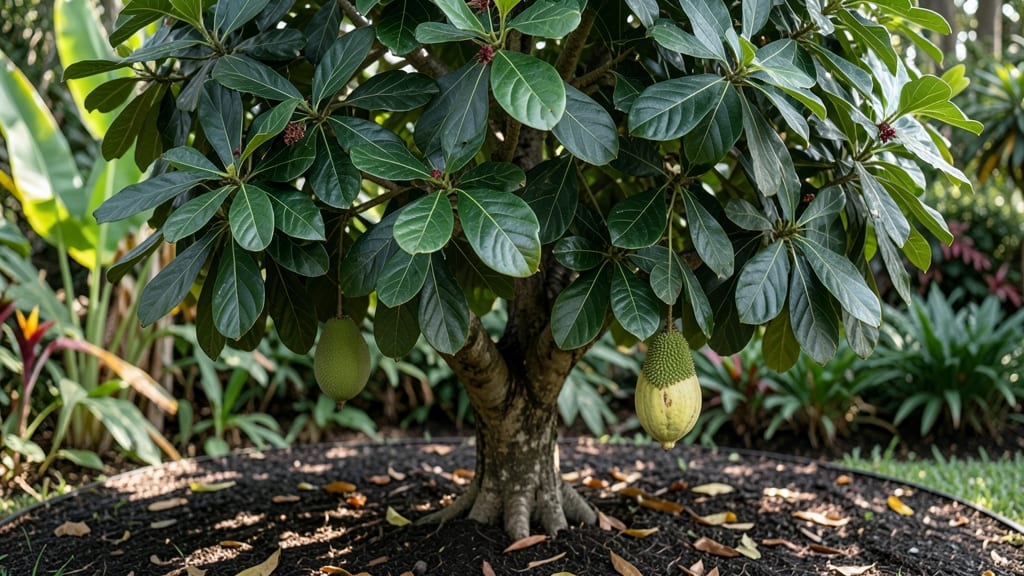
A soursop tree 🍈 can take anywhere from 3 to 5 years to bear fruit, though some varieties and ideal growing conditions may speed that up.
If you’ve ever dreamed of harvesting sweet, tropical soursop fruit in your backyard, patience is key—but how long should you realistically wait? The answer depends on your soursop variety, climate, and growing conditions, and knowing these factors can mean the difference between a thriving tree and years of disappointment.
In USDA Zones 10-11, where soursop trees thrive, proper care like consistent watering, balanced fertilization, and full sun exposure can help younger trees reach fruiting age faster. Meanwhile, cooler climates or improper soil drainage might delay that first harvest by a year or more.
Below, I’ll break down the exact timeline by variety, climate, and care tips to help you accelerate fruit production—so you can enjoy your homegrown soursop sooner rather than later.
Soursop tree fruit bearing timeline by variety: fastest to slowest maturing types
Understanding your soursop tree variety is critical when estimating fruit-bearing timelines. While most Annona muricata varieties take 3-5 years to produce fruit, some tropical hybrids and dwarf varieties can bear fruit in as little as 2 years under ideal conditions.
The fastest varieties thrive in USDA Zones 10-11, where warm temperatures and high humidity accelerate growth.
Standard soursop trees typically reach maturity between 4-7 years, with peak production occurring in years 6-10. However, factors like soil quality, watering consistency, and pollination support can shift these timelines significantly.
For example, trees grown in container gardens in cooler climates may take 1-2 extra years to bear fruit compared to their field-grown counterparts.
Here’s how different soursop varieties compare in terms of fruit-bearing speed, from fastest to slowest maturing types:
| Variety | First Fruit (Years) | Peak Production (Years) | Climate Adaptation | Notes |
|---|---|---|---|---|
| Tropical Hybrid (e.g., "Golden Soursop") | 2-3 years | 4-6 years | Zones 10-11, high humidity | Fastest-growing; sweetest fruit |
| Dwarf Varieties (e.g., "Pygmy Soursop") | 3-4 years | 5-8 years | Zones 9-11, container-friendly | Slower but ideal for small gardens |
| Standard Annona muricata | 4-5 years | 6-10 years | Zones 10-11, tropical | Most common; larger fruit yield |
| Subtropical Varieties (e.g., "Florida Soursop") | 5-6 years | 7-12 years | Zones 8-10, cooler tolerance | Slower growth; needs winter protection |
| Wild/Seed-Grown Soursop | 6-8 years | 10+ years | Zones 10-11, variable | Unpredictable; lower fruit quality |
The Golden Soursop hybrid is the fastest to bear fruit, often producing its first harvest in just 2-3 years when grown in optimal tropical conditions. These hybrids are bred for sweeter fruit and faster maturation, making them ideal for home gardeners eager to enjoy soursop.
However, they require consistent warmth and high humidity, which can be challenging in subtropical zones like Florida’s cooler regions.
If you’re growing a dwarf soursop variety, expect a slightly longer wait of 3-4 years for the first fruit. These varieties are prized for their compact size (reaching 10-15 feet tall at maturity) and are perfect for container gardening in USDA Zone 9.
While they may take longer to fruit than hybrids, their manageable size makes them a practical choice for urban gardens or small backyards.
For gardeners in subtropical climates (e.g., Zone 8-9), varieties like the Florida Soursop are your best bet, though they typically require 5-6 years before bearing fruit.
These trees are more cold-hardy than tropical varieties but still need winter protection (e.g., mulching, windbreaks) to avoid damage. Pruning for early flowering can help accelerate fruit production by 1-2 years in these varieties.
Wild or seed-grown soursop trees are the slowest to mature, often taking 6-8 years before producing fruit. These trees are unpredictable in both timing and fruit quality, making them less ideal for commercial or home orchards.
If you’re starting from seed, consider grafting onto a known variety to ensure faster and more reliable fruit production.
Regardless of variety, the first 3 years of growth focus on establishing a strong root system and canopy. During this time, priorit
Climate Zones and growing conditions that speed up or delay soursop fruit production
Your soursop tree (Annona muricata) thrives in USDA Zones 10-11, where warm temperatures and high humidity accelerate fruit production. In these ideal conditions, trees typically bear fruit within 3-5 years of planting.
However, if you live in cooler climates like Zones 8-9, container growing or seasonal adjustments can extend the timeline to 5-7 years.
Temperature plays a critical role in soursop growth. Trees need consistent warmth—70-90°F during the day and 60-70°F at night—to flower and fruit. Below 50°F, growth slows dramatically, delaying fruiting by 1-2 years. Even in marginal zones, strategic microclimate selection (e.g., near heat-retaining walls) can mitigate delays.
- Zones 10-11: 3-4 years to first fruit (ideal tropical climate)
- Zones 9: 4-5 years (cooler winters delay flowering)
- Zones 8 (containers): 5-7 years (requires winter protection)
- Below Zone 8: Not recommended (tree may not survive winters)
Humidity is another game-changer for soursop trees. Native to tropical regions, these trees require 70-80% humidity to thrive. In arid climates, supplement with mist systems or group plantings to create a micro-humid environment.
Low humidity can cause bud drop and stunted fruit development, adding 1-2 years to the bearing timeline.
Sunlight exposure directly correlates with flowering speed. Soursop trees need 6+ hours of direct sun daily to produce fruit. In shaded conditions, flowering is delayed by up to 2 years.
If growing in partial shade (e.g., Zones 8-9), prioritize south-facing locations to maximize sunlight exposure during critical growing months.
Soil type and drainage also influence fruit production timelines. Soursop trees prefer well-draining, slightly acidic soil (pH 6.0-7.0). Heavy clay soils can cause root rot, stunting growth and delaying fruiting by 1-3 years.
Amend soil with compost and perlite to improve drainage, especially in container growing where roots are more vulnerable to waterlogging.
For gardeners in marginal climates (Zones 8-9), container growing is a viable option. Move potted trees indoors or to greenhouses during winter to protect them from frost.
With proper care, container-grown soursop trees can still bear fruit in 5-6 years, though yields may be smaller than in-ground trees in Zones 10-11. Use large containers (3+ feet deep) to accommodate root growth.
By optimizing temperature, humidity, sunlight, and soil conditions, you can significantly reduce the time it takes for your soursop tree to bear fruit—even in less-than-ideal climates.
Start with the right variety for your zone, and don’t hesitate to use seasonal adjustments like mulching or container protection to create the perfect growing environment. 🌱