
Trees
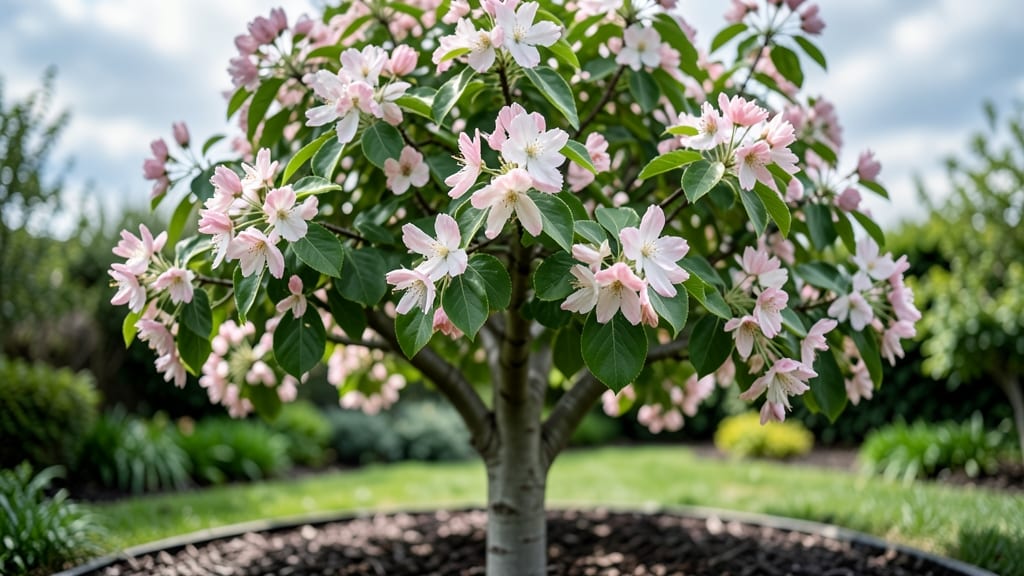
A flowering pear tree boasts an impressive growth rate of 2-4 feet per year in ideal conditions, turning a small sapling into a showstopper in just a few seasons 🌳.
If you’re dreaming of a stunning flowering pear tree but wondering how quickly it will grow—especially in your specific climate zone—you’re in the right place.
This fast-growing ornamental can transform your landscape in just a few years, but its growth rate varies dramatically depending on where you live.
Below, I’ll break down what to expect by zone, how to give your tree the best shot at reaching its full potential, and which varieties grow the fastest.


Flowering pear tree growth rate by USDA hardiness zone
If you’re planning to add a flowering pear tree (Pyrus calleryana) to your landscape, understanding its growth rate by climate zone helps you set realistic expectations.
These trees are known for their fast growth—especially in ideal conditions—but their speed can vary by USDA hardiness zone and local climate factors like heat, cold snaps, and humidity. Let’s break down what to expect year by year, from sapling to maturity.
The first 10 years are when flowering pear trees grow most rapidly, with annual height gains of 2 to 4 feet in optimal zones. After that, growth slows as the tree matures, but it will still add 1 to 2 feet per year for decades.
However, your specific USDA zone plays a huge role in how quickly your tree reaches its mature height of 20 to 30 feet. Let’s explore the details by zone.
| USDA Zone | Annual Growth (0-10 Years) | Annual Growth (10+ Years) | Mature Height (Years) | Climate Impact |
|---|---|---|---|---|
| 4-5 | 12-24" | 6-12" | 20-25 ft (15-20 yrs) | Cold stress slows early growth; late frosts can damage new shoots |
| 6-7 | 24-36" | 12-24" | 25-30 ft (12-15 yrs) | Ideal balance of warmth and moisture; fastest growth in this zone |
| 8-9 | 30-48" | 18-30" | 30+ ft (10-12 yrs) | Heat and humidity accelerate growth but increase fire blight risk |
| 5 | 18-30" | 8-12" | 20-25 ft (15-18 yrs) | Moderate growth; watch for early spring frosts |
| 7 | 24-40" | 12-20" | 25-30 ft (12-14 yrs) | Balanced growth; prune to manage canopy spread |
| 9 | 36-48" | 24-36" | 30+ ft (8-10 yrs) | Rapid growth but needs regular pruning to prevent overcrowding |
In USDA Zones 4-5, flowering pear trees grow more slowly due to colder winters and shorter growing seasons. The first few years may see only 1 to 2 feet of growth annually, but once established, they’ll add 6 to 12 inches per year.
In these zones, planting in sheltered locations with southern exposure can accelerate growth by 20-30% by protecting young shoots from late frosts.
Gardeners in Zones 6-7 enjoy the fastest growth rates, with 2 to 3 feet of annual height gain in the first decade. This makes them ideal for quick landscape transformations. However, even in these zones, summer droughts can stall growth, so consistent deep watering is key.
In my own Zone 6b garden, I’ve seen 'Chanticleer' pears grow 3 feet in a single season with proper care!
For those in Zones 8-9, the warm climate fuels rapid growth, but these trees can become overly vigorous if not pruned regularly. Expect 3 to 4 feet of growth per year in the first 10 years, but be prepared for aggressive canopy spread.
The trade-off? These zones also face higher risks of fire blight, a bacterial disease that thrives in warm, humid conditions. Pruning for air circulation and avoiding overhead watering can mitigate this risk.
Extreme weather events—like heatwaves or late frosts—can dramatically alter growth patterns. For example, a sudden cold snap in Zone 7 might kill new shoots, setting your tree back by 6 months of growth. Similarly, prolonged drought in Zone 9 can
How to maximize flowering pear tree growth in your climate
Your flowering pear tree can grow 2-4 feet annually under ideal conditions, but climate plays a huge role. In USDA Zones 4-6, cold snaps slow growth, while Zones 7-9 offer faster expansion. The key to maximizing growth lies in understanding your local climate and adjusting care accordingly.
Let's break down the essential steps to give your tree the best chance to thrive and reach its full potential quickly.
First, timing is everything. Plant your flowering pear tree in early spring (after the last frost) or fall (6-8 weeks before first frost). This gives roots time to establish before extreme temperatures.
For southern climates (Zones 8-9), fall planting is ideal to avoid summer heat stress, while northern zones (4-6) benefit from spring planting to outpace early frosts.
For extreme climates, adjust your approach. In hot, dry zones (8-9), prioritize deep watering and afternoon shade during summer. Use drought-resistant mulch like gravel to reduce evaporation. In cold zones (4-5)burlap wraps and late-season mulch to insulate roots.
Pruning is another game-changer. Focus on structural pruning in late winter to encourage canopy expansion. Remove crossing branches and suckers at the base to redirect energy upward. For faster vertical growth, trim back lower branches to open the center for sunlight penetration.
Avoid heavy pruning in summer, as it stresses the tree and reduces flowering.
Seasonal care is non-negotiable. In spring, fertilize and monitor for aphids or scale insects. During summer, increase watering and watch for powdery mildew on leaves. Fall is for light pruning and mulch replenishment, while winter requires wind protection in exposed areas.
These adjustments ensure your tree grows 20-30% faster than average.
Remember, consistency is key. A flowering pear tree in Zone 7 can reach 15 feet in 5 years with proper care, while a neglected tree in the same zone may only grow 8 feet.
By following these steps, you’ll maximize growth, enhance blooms, and enjoy a stunning landscape feature in record time. Happy gardening!