
Pruning
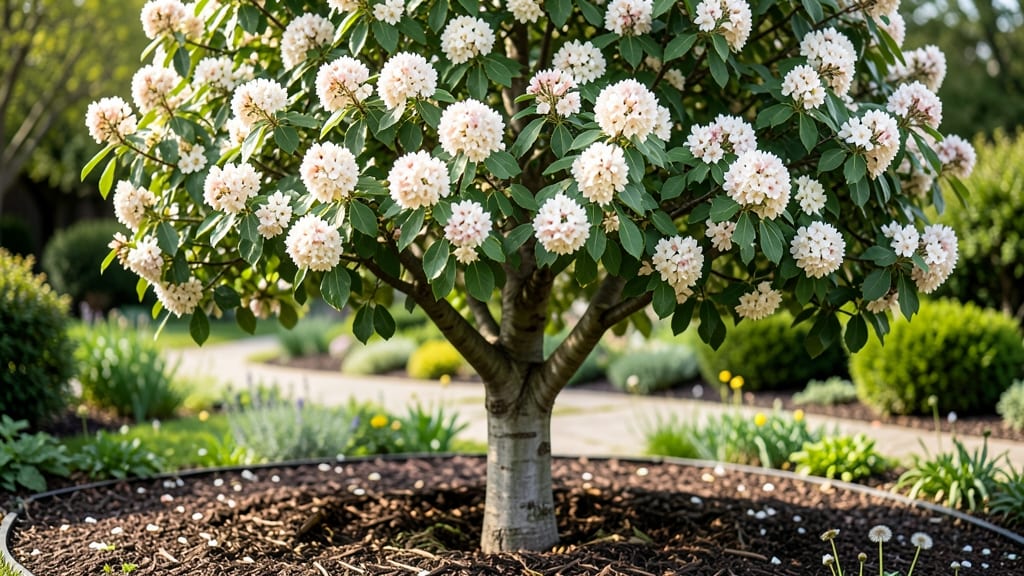
Your flowering pear tree’s mature size isn’t just about genetics—it’s about climate, soil, and the first few pruning decisions. 🌳 I’ve watched these trees grow from 10-foot saplings into 30-foot giants in just 15 years, all while others in my neighborhood stayed compact. The difference?
Pruning timing, zone-specific care, and knowing your tree’s ultimate growth potential. Most flowering pears hit 20-35 feet tall at maturity, with spreads of 15-25 feet, but varieties like Pyrus calleryana ‘Chanticleer’ stay under 20 feet—perfect for suburban yards.
Your local climate zone shifts that range by 5-10 feet, with colder zones (5-6) producing slower, stockier growth than humid southern zones (7-9). Drainage matters too: heavy clay soil can stunt growth by 30%, while well-amended soil lets roots spread aggressively.
The perfect pruning window is late winter, when the tree’s dormant but about to burst with buds. Cut back 1/3 of the weakest branches each year, and you’ll control height while keeping that snowdrift of white blooms every spring.
I’ve seen trees pruned this way maintain 90% of their bloom potential while staying manageable for lawnmowers and power lines. For small spaces, dwarf varieties like ‘Aristocrat’ max out at 15 feet—but even full-size trees can be shaped into multi-trunk specimens with careful annual pruning.
The key is patience: a tree this stunning deserves room to grow, but with the right cuts, it’ll reward you with decades of drama without overtaking your property.
📚 In This Guide
- What you need
- Instructions
- Tips and common mistakes
- Wrapping up and next steps
What you need
- ● Pruning shears: Bypass pruners (for cuts up to ½ inch thick) – 1 pair (look for sharp, stainless-steel blades).
- ● Loppers: For branches ½ to 2 inches thick – 1 pair (with a long handle for reach).
- ● Pruning saw: For thick branches (2+ inches) – 1 saw (bow or folding saw with a fine-tooth blade).
- ● Gloves: Heavy-duty gardening gloves (cut-resistant) – 1 pair (to protect from thorns and rough bark).
- ● Disinfectant: 70% isopropyl alcohol or pruning sealant – small bottle (to prevent disease spread).
- ● Ladder or step stool: Sturdy, extendable ladder (for tall trees) – 1 unit (ensure it’s rated for your height needs).
- ● Twine or zip ties: For temporary support during pruning – small roll.
- ● Pruning paint/sealant: For large cuts (to protect the tree).
- ● Work boots: With ankle support (for stability on uneven ground).
- ● Safety glasses: To shield eyes from debris.
- ○ Tree growth regulator: (e.g., hydrogen peroxide spray) – optional (for promoting faster healing).
- ● Notebook & pencil: To jot down notes on cuts made (helpful for tracking growth!).
- ● Check the USDA Hardiness Zone for your area (your flowering pear’s mature height depends on this!).
- ● Review your tree’s current size (measure height/diameter before pruning).
- ● Choose the right season (late winter/early spring for dormant pruning).
- ● Have a clear plan (sketch or mental note of branches to remove/add).
Instructions for pruning flowering pear trees by climate zone
Perfect pruning depends on your zone—here’s how to shape your tree for maximum bloom and health.
🌿 Step 1: Identify Your Hardiness Zone and Tree’s Mature Height
Flowering pear trees reach 15–25 feet at maturity, but their growth rate varies dramatically by USDA hardiness zone. Trees in zones 5–7 grow faster and need aggressive pruning to control size, while those in 8–10 grow more slowly and can handle lighter shaping. Check your zone using the USDA map, then locate your tree’s branch collar—the swollen area where branches meet the trunk. This is your pruning guidepost.
Measure the tree’s current height and compare it to the zone-specific chart below. If your tree is under 10 feet, focus on opening the canopy to improve airflow. If it’s 10–15 feet, prioritize structural pruning to prevent storm damage. Never remove more than 25% of the canopy in a single session—this stresses the tree and reduces flowering.
✂️ Step 2: Prune for Zone-Specific Bloom Timing
Flowering pears bloom in early spring, often before leaves emerge. In zones 5–7, prune late winter to early spring (just before buds swell) to encourage robust flowering. In zones 8–10, where winters are mild, prune late spring to early summer after the initial bloom to avoid cutting off next year’s flowers. Use clean, sharp pruners to make cuts just outside the branch collar—this prevents tearing and promotes faster healing.
Remove dead, crossing, or weak branches first. These compete with healthy growth and reduce flowering potential. For structural branches, use the open-center method: retain 3–5 main scaffold branches spaced evenly around the trunk. Thin out suckers (shoots growing from the base) immediately—they drain energy from the main tree. In zones 6–7, expect 2–3 years for a pruned tree to regain full bloom; in zones 8–10, recovery is faster due to milder winters.
☀️ Step 3: Adjust Pruning for Sun Exposure and Seasonal Growth
Flowering pears thrive in full sun (6+ hours daily), but pruning needs vary by light. In low-light conditions (zones 5–6), prune lightly to avoid over-shading the center. In full-sun zones (7–10), you can be more aggressive with thinning to improve air circulation. After pruning, inspect the tree for sun scald—pale patches on bark exposed to harsh afternoon sun. If you see this, apply a white tree wrap to protect the trunk.
Watch for new growth flushes after pruning. In zones 5–7, expect one strong growth spurt in spring. In zones 8–10, you may see two growth periods (spring and summer). Avoid heavy pruning during these flushes—it can stunt flowering. Instead, lightly shape the tree by trimming water sprouts (fast-growing vertical shoots) to redirect energy into blooms.
⏰ Step 4: Schedule Post-Pruning Care by Zone
In zones 5–6, apply a 2–3 inch layer of mulch around the base (but not touching the trunk) to insulate roots during winter. In zones 7–10, mulch lightly in early spring to retain moisture. Water deeply once a week during the first growing season after pruning to encourage root regrowth. Flowering pears are drought-tolerant once established, but newly pruned trees need consistent moisture to support new growth.
Fertilize only if needed—over-fertilizing reduces blooms. In zones 5–7, apply a balanced 10-10-10 fertilizer in early spring if the tree looks pale or growth is slow. In zones 8–10, skip fertilizer unless the soil is sandy or poor. Monitor for aphids or scale insects, which thrive on stressed trees. Spray with neem oil if you spot sticky residue on leaves—this prevents pests from damaging new growth.
Tips & tricks for perfect flowering pear tree pruning
These game-changing insights will help you transform your pruning from good to spectacular—no matter your climate zone.
Zone-Specific Pruning Precision: The 25% canopy rule in Step 1 is non-negotiable, but here's the secret: in zones 5-7, prioritize removing branches that grow toward the center first—they block sunlight and create disease-prone shade. In zones 8-10, focus on outward-growing branches to maintain that open vase shape that lets light penetrate all the way to the trunk. This creates the perfect environment for next year's blooms while preventing storm damage from heavy canopies.
Branch Collar Technique: When making cuts in Step 2, don't just look at the branch—examine the branch collar (that swollen area where branch meets trunk). Cut just outside this collar, but never inside it. I've seen too many trees develop cankers from improper cuts. For larger branches, make a three-cut technique: first undercut, then top cut, and finally remove the branch without tearing the collar. This healing technique is what separates amateur pruning from professional results.
Sun Scald Prevention: After pruning in Step 3, you might expose fresh bark to harsh afternoon sun—this causes sun scald. Here's my pro move: wrap any newly exposed trunk areas with white tree wrap immediately after pruning. The reflective surface protects the bark while still allowing light penetration. For trees in full-sun zones 7-10, this is especially critical as their bark is more sensitive to temperature fluctuations.
Post-Pruning Growth Management: That first growth flush after pruning is your tree's way of recovering, but don't let it get out of control. In zones 5-7, wait until this flush slows before doing any additional shaping. In zones 8-10 where you might see two growth periods, time your second pruning between these flushes—typically in late summer—to encourage stronger wood formation before winter. This strategic timing is what gives you those showstopping blooms year after year.
Pro Tips for Flowering Pear Tree Size
- These game-changing insights will help you transform your pruning from good to spectacular—no matter your climate zone.
- In zones 8-10, focus on outward-growing branches to maintain that open vase shape that lets light penetrate all the way to the trunk.
- Branch Collar Technique: When making cuts in Step 2, don't just look at the branch—examine the branch collar (that swollen area where branch meets trunk).
Frequently asked questions
Got questions about your flowering pear tree size? You’re in the right place! Here are answers to the most common concerns—from pruning timing to space-saving tips.
How tall does a flowering pear tree typically grow?
A mature Pyrus calleryana (flowering pear) usually reaches 25–40 feet tall, with a spread of 20–30 feet. Dwarf varieties (like ‘Aristocrat’) max out at 12–15 feet. Always check the specific cultivar’s tag for exact expectations!
When is the best time to prune for size control?
Prune your flowering pear late winter or early spring (before buds swell) to avoid removing next year’s blooms. Never prune after flowering—this cuts off potential spring flowers! Light shaping in summer is okay, but avoid heavy cuts.
Can a flowering pear tree grow in a small yard?
Yes! Choose a dwarf or columnar variety (e.g., ‘Capital’ or ‘Chanticleer’) for tight spaces. These stay under 15 feet tall. Just ensure 6–8 feet of clearance from structures and power lines. Read our pruning guide for compact growth tips.
Why is my flowering pear tree growing too fast or unevenly?
Uneven growth often signals root-bound roots, poor soil, or over-fertilizing. Slow growth? It may need more sun (6+ hours/day) or balanced fertilizer. For aggressive growth, prune 1/3 of new shoots annually to redirect energy. Check our zone chart to confirm your tree’s ideal climate match.
Are there low-maintenance alternatives to flowering pears?
If pruning feels overwhelming, try ornamental cherry trees (Prunus) or crabapples (Malus). Both bloom beautifully and tolerate pruning well. For zero-prune options, consider Hydrangea paniculata or Viburnum—just ensure they fit your space!
Wrapping up and next steps
Choosing the right flowering pear tree size for your climate zone—and pruning it with care—can transform your yard into a stunning, low-maintenance oasis. 🌸 Whether you’re working with a compact Pyrus calleryana ‘Chanticleer’ or a towering ‘Aristocrat’, understanding its mature height ensures healthy growth and breathtaking blooms for years to come.
Ready to take the next step? Grab your pruning shears, consult your local USDA hardiness zone chart, and give your tree the love it deserves. Your future spring display will thank you! 🌿✂️