
Container Gardens
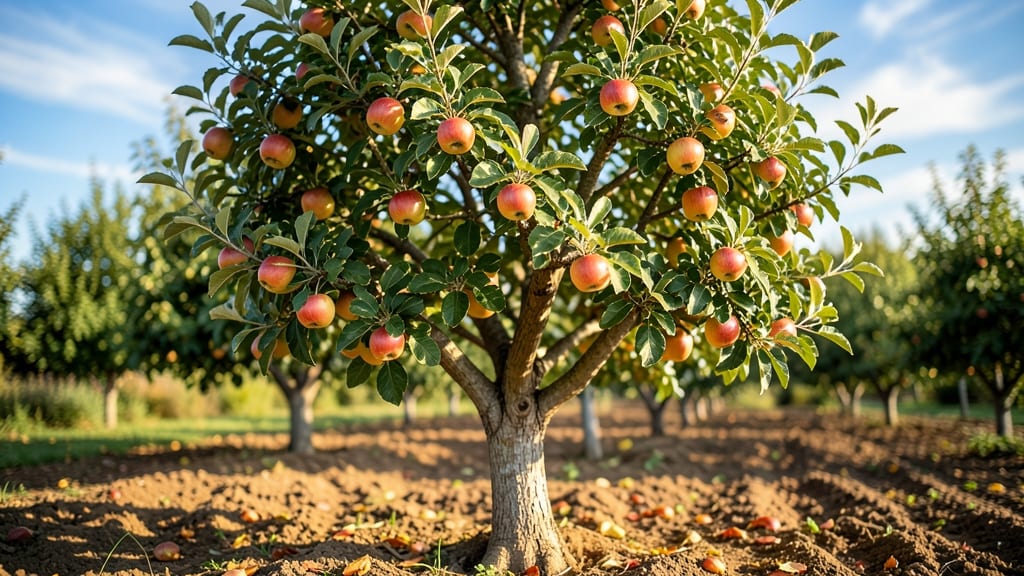
Gala apple trees grow best in USDA Hardiness Zones 4 through 8, where they can handle winter temperatures from -30°F to 30°F (-34°C to -1°C), producing stronger roots and higher-quality fruit. For optimal results, plant in a sunny spot with well-draining soil.
Gala apple trees are particularly sensitive to extreme cold below -30°F and can suffer heat stress above 90°F in summer, which is why Zones 4–8 offer the perfect balance. 🍏 The key lies in their seasonal needs: they require a period of winter chill to bloom properly in spring, while summer heat helps ripen the fruit.
If you're in Zone 3 or 9, consider container growing with winter protection or choosing cold-hardier apple varieties.
For container gardens, select a pot at least 24 inches deep with drainage holes and use a mix of 50% potting soil and 50% compost to mimic ideal garden conditions. Move containers to a sheltered spot during harsh winters or intense summer heat to extend their growing season.
💡 In This Article
- Understanding Gala Apple Tree Climate Requirements
- Selecting the Right Location for Gala Apple Trees
Understanding Gala apple tree climate requirements
Gala apple trees rely on a delicate balance of seasonal temperature shifts to thrive, particularly between their winter dormancy and spring blooming phases. The tree's buds require 400-800 hours of temperatures between 32-45°F (0-7°C) during winter chill periods to break dormancy.
This cold requirement explains why Zones 4-8 provide ideal conditions—Zone 4 receives 1,200+ hours of winter chill, while Zone 8 typically gets 400-600 hours, both within the Gala's optimal range. 🌡️
The tree's cold hardiness extends to its roots and trunk, which can tolerate brief exposures to -30°F (-34°C) when properly established, but prolonged cold below -25°F (-32°C) risks winter dieback.
In contrast, summer heat above 90°F (32°C) for extended periods can cause heat stress, particularly in Zones 7-8, where afternoon shade becomes beneficial. The tree's natural growing cycle depends on these temperature transitions—spring warmth triggers blossoming, while summer heat ripens the fruit's sugars.
What sets Gala apples apart is their sensitivity to late spring frosts, which can damage blossoms and reduce fruit set. In Zones 4-6, gardeners should monitor forecasts and have frost cloth ready for 2-3 week periods after bloom.
Meanwhile, in Zones 7-8, the tree may experience biennial bearing (alternating heavy and light fruit years) due to insufficient winter chill or summer heat stress. This pattern highlights how precise temperature management directly impacts yield and fruit quality.
Soil temperature also plays a hidden role—roots need to warm to 50°F (10°C) before actively growing in spring. In colder Zones 4-5, this delay can extend the growing season by 2-3 weeks compared to milder Zones 7-8.
The tree's ability to adapt its growth cycle based on these temperature cues explains why Zones 4-8 provide the Goldilocks conditions—neither too harsh nor too mild. 🍎
For gardeners in marginal zones (like Zone 3 or 9), understanding these requirements helps implement solutions: Zone 3 growers might use windbreaks to reduce cold stress, while Zone 9 gardeners may need afternoon shade to prevent heat damage.
The key is replicating the seasonal temperature transitions that occur naturally in Zones 4-8.