
Pests and Diseases
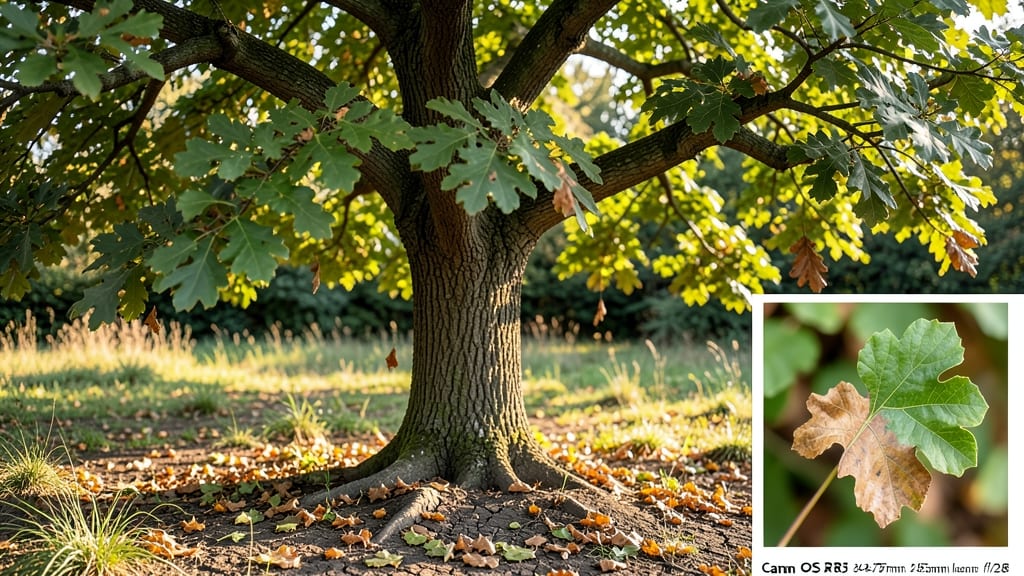
Green leaves falling off your tree in summer? That sudden panic when you spot them fluttering to the ground—it’s never a good look. 🌳 I’ve seen this happen with my oak and maple, and the culprits are usually heat stress, fungal blight, or even overwatering.
The good news? Most cases have quick fixes if you catch them early.
First, check the leaves for clues: crispy edges mean drought, yellow spots suggest fungus, and tiny webs could be spider mites. Heat stress often hits fast—especially in drought-prone areas—while fungal blight spreads slower but leaves a telltale powdery residue.
Prune affected branches immediately to stop the spread, and water deeply but only when the top inch of soil is dry.
Within days, you’ll see a turnaround if the issue is environmental. For fungal blight, a mix of baking soda spray (1 tbsp per gallon of water) or neem oil can work wonders.
The key is acting fast—before the tree puts all its energy into new growth and leaves it vulnerable again.
This works for shade trees, fruit trees, and even young saplings. The sooner you diagnose, the easier the fix. Let’s get your tree back to full, healthy glory before summer’s over.
Root Causes Behind Summer Leaf Drop
When your tree’s vibrant green leaves start falling unexpectedly in summer, it’s often a cry for help—whether from environmental stress or hidden threats. Understanding the why behind this issue is the first step to saving your tree.
Below, we break down the most common culprits, backed by science, so you can diagnose the problem accurately and act fast.
Summer’s scorching sun and dry winds can push trees past their limits, especially if they’re not adapted to your climate. When soil moisture drops too low, roots struggle to supply water, leading to:
- Water Deficit in Leaves: Trees prioritize water to roots and new growth, often sacrificing older leaves. This triggers abscission—a natural process where the tree sheds leaves to conserve energy.
- Photosynthesis Shutdown: High temperatures can damage chlorophyll, the pigment responsible for green color. As chlorophyll degrades, leaves yellow before falling.
- Root Stress: Shallow root systems (common in young or transplanted trees) are especially vulnerable. Wilting leaves that recover at night but crisp by afternoon are classic drought signs.
Actionable Fix: Deep watering 2–3 times per week (1–2 inches of water per session) encourages roots to grow deeper. Mulch with 3–4 inches of organic material (like wood chips) to retain moisture and regulate soil temperature.
Fungi thrive in warm, humid summer conditions, turning your tree’s leaves into a buffet. Common offenders include:
| Disease | Symptoms | How It Spreads |
|---|---|---|
| Anthracnose | Dark, sunken spots with yellow halos; leaves curl and drop prematurely. | Spores splash from rain or overhead watering. |
| Powdery Mildew | White, powdery coating on leaves; leaves yellow and drop. | Thrives in stagnant air and high humidity. |
| Leaf Spot Fungi | Brown/black spots with yellow borders; leaves may fall if severe. | Spreads via wind, tools, or infected debris. |
Actionable Fix:
- 💡 Prune infected branches 12 inches below the last visible spot to prevent spread.
- 🌡️ Improve air circulation by thinning dense foliage.
- 🔥 Apply copper fungicide (like Copper Sulfate) or neem oil as a preventive spray every 2–3 weeks.
- ✨ Clean up fallen leaves and debris to remove fungal spores.
Insects like spider mites, aphids, and borers drain sap and introduce toxins that cause leaves to yellow, curl, and drop. Look for:
- Tiny Webbing: Spider mites spin fine webs on leaf undersides.
- Sticky Residue: Aphids excrete honeydew, attracting sooty mold.
- Holes or Sawdust-Like Frass: Signs of borer larvae tunneling into branches.
Actionable Fix:
- 🔥 Blast pests off with a strong spray of water (early morning).
- 🌡️ Introduce beneficial insects (ladybugs, lacewings) or use insecticidal soap.
- 🎯 For borers, inject systemic insecticide (like Imidacloprid) into the trunk.
While drought is a common issue, excessive moisture can be just as deadly. Waterlogged roots suffocate, preventing nutrient uptake and leading to:
- Root Rot: Fungi like Phytophthora thrive in soggy soil, cutting off water and nutrient flow.
- Nutrient Leaching: Overwatered soil flushes away essential minerals (e.g., nitrogen, potassium), causing chlorosis (yellowing between leaf veins).
Actionable Fix:
- 💡 Test soil drainage: Dig a 1-foot hole, fill with water, and time how long it takes to drain. Ideal: 4–6 hours.
- 🔥 Amend heavy clay soil with compost or perlite to improve aeration.
- ⏰ Water only when the top 2–3 inches of soil are dry.
If your tree was recently moved, its roots may be struggling to re-establish. Signs include:
- Sudden Leaf Drop: Often within 2–4 weeks of transplanting.
- Wilting Despite Watering: Roots can’t absorb moisture efficiently.
- Stunted New Growth: The tree diverts energy to root recovery instead of leaves.
Actionable Fix:
- 🌡️ Apply root stimulator (like Mycorrhizal fungi) to boost recovery.
- 🔥 Mulch heavily (6 inches deep) to protect roots from temperature swings.
- 💡 Avoid fertilizing for 6–8 weeks—focus on hydration and stress reduction.
Quick Fixes for Dropping Green Leaves
When your tree’s vibrant green leaves start falling prematurely in summer, it’s a clear sign something’s off—but don’t panic! The right approach depends on the root cause, whether it’s fungal infections, heat stress, or pests.
Below, we’ve mapped out practical, step-by-step solutions for each common issue, plus prevention tips to keep your tree thriving.
If your tree is wilting or shedding leaves due to scorching heat or dry soil, act quickly to restore moisture and protect its roots.
💦 Step 1: Deep Watering (The Right Way)
- When: Early morning or late evening (avoid midday sun).
- How: Water slowly and deeply—aim for 1–2 inches of water per week (more for young trees).
- Pro Tip: Use a soaker hose or drip irrigation to deliver water directly to the roots without wasting it on evaporation. 🌱
🌿 Step 2: Mulch Like a Pro
- Spread 2–4 inches of organic mulch (wood chips, straw, or shredded leaves) around the base of the tree, keeping it 6 inches away from the trunk.
- Why? Mulch retains moisture, regulates soil temperature, and blocks weeds that compete for water.
🌞 Step 3: Provide Temporary Shade
- If your tree is in a full-sun, exposed area, consider light shade cloth (30–50% coverage) during peak heat (10 AM–4 PM).
- Alternative: Plant fast-growing shade trees (like silver maple or willow) nearby for long-term relief.
🚫 Prevention Tips for Future Summers
✅ Water deeply before heatwaves—don’t wait until leaves start drooping. ✅ Avoid over-pruning in summer—fewer leaves mean less shade for the tree. ✅ Choose drought-resistant species if your area has extreme heat (e.g., oak, pecan, or crape myrtle).
If leaves are yellowing, spotting, or covered in mold, a fungal infection is likely the culprit. Act fast to prevent it from spreading to other plants.
🧼 Step 1: Prune Infected Branches
- When: Early morning (fungi thrive in damp, warm conditions).
- How: Cut off affected branches 6–12 inches below the damage using sterilized pruners (wipe with rubbing alcohol between cuts).
- Dispose of: Bag and trash infected leaves—do not compost them.
🌧️ Step 2: Improve Airflow & Reduce Humidity
- Thin out dense foliage to allow sunlight and air to circulate.
- Space out trees if they’re too crowded (aim for 10–15 feet apart for most species).
- Avoid overhead watering—use drip irrigation instead to keep leaves dry.
💊 Step 3: Apply Fungicide (If Needed)
- For mild cases: A baking soda spray (1 tsp baking soda + 1 quart water + a drop of dish soap) can help.
- For severe infections: Use a copper-based fungicide (like Copper Soap) or neem oil spray (follow label instructions).
- Best time to spray: Evening, when humidity is lower.
🌱 Prevention: Keep Fungi at Bay
💡 Clean up fallen leaves regularly—fungi love decaying organic matter. 💡 Plant resistant varieties (e.g., disease-resistant oak or elm cultivars). 💡 Water at the base instead of wetting foliage.
If tiny holes, chewed edges, or sticky residue (sap) are to blame, pests like aphids, spider mites, or borers may be the villains.
🦟 Step 1: Identify the Pest
- Aphids: Tiny green/black bugs clustered on new growth.
- Spider Mites: Fine webbing on undersides of leaves.
- Borers: Sawdust-like frass at the base of the trunk.
- Use a magnifying glass or take a close-up photo for ID.
🚿 Step 2: Blast Them Off (Non-Toxic First)
- Strong spray of water (hose down leaves to dislodge aphids/mites).
- Insecticidal soap (mix 1.5 tbsp mild soap + 1 quart water)—safe for most trees.
- Neem oil (1 tbsp per gallon of water)—disrupts pests’ life cycles.
🪓 Step 3: Target Severe Infestations
- For borers: Drill small holes into the trunk and inject benzene-free pesticide (like Bt spray for larvae).
- For mites: Apply horticultural oil in late winter/early spring.
- Pro Tip: Ladybugs and lacewings are natural predators—attract them with native plants! 🐞
🛡️ Prevention: Pest-Proof Your Tree
✨ Encourage beneficial insects with marigolds, dill, or yarrow nearby. ✨ Keep grass short under trees to reduce hiding spots for pests. ✨ Inspect new plants before bringing them home—quarantine for a week if possible.
No matter the cause, consistent care is key to preventing future leaf drop. Here’s a quick checklist:
- Test your soil (pH 6.0–7.0 is ideal for most trees).
- Fertilize in early spring (use a slow-release, balanced fertilizer).
- Monitor regularly—catch issues early before they spread!
By tackling the problem root cause first, your tree should bounce back with stronger, healthier foliage—and fewer surprises next summer. 🌿✨
Frequently asked questions
Why are my tree's leaves falling in summer when it's supposed to be growing?
Summer leaf drop is often a stress signal from your tree. Heat waves, drought, or fungal infections force trees to shed leaves to conserve energy. Check for crispy edges (drought) or powdery residue (fungus). Most trees naturally drop some leaves in summer, but excessive loss means your tree needs help—usually through deeper watering or fungicide treatment.
How can I tell if my tree has a fungal infection versus heat stress?
Look closely: fungal infections show spots, powdery coatings, or mold on leaves, while heat stress causes crispy edges, wilting, or yellowing without spots. Tap leaves—healthy ones sound firm; infected ones may have hollow spots. Fungal issues often appear first on lower branches, while heat stress affects leaves uniformly across the tree.
Is it too late to save my tree if half its leaves are already gone?
Not necessarily! Act fast with deep watering and mulching to help roots recover. If fungal disease is the cause, prune infected branches immediately and apply neem oil. Trees can regrow leaves within weeks if the root system stays healthy—just avoid fertilizing until new growth appears.
Will pruning help stop the leaf drop?
Only if you remove infected or damaged branches. Cut 6-12 inches below the last visible damage to prevent spread. Avoid heavy pruning during summer heat—focus on cleaning up affected areas first. Sterilize your pruners between cuts to avoid spreading disease.
Can I use household items like baking soda to treat my tree?
Yes! A baking soda spray (1 tsp baking soda + 1 quart water + drop of dish soap) works for mild fungal issues like powdery mildew. For pests, try neem oil or insecticidal soap. Always test on a small branch first—some trees are sensitive to homemade treatments.