
Flowers
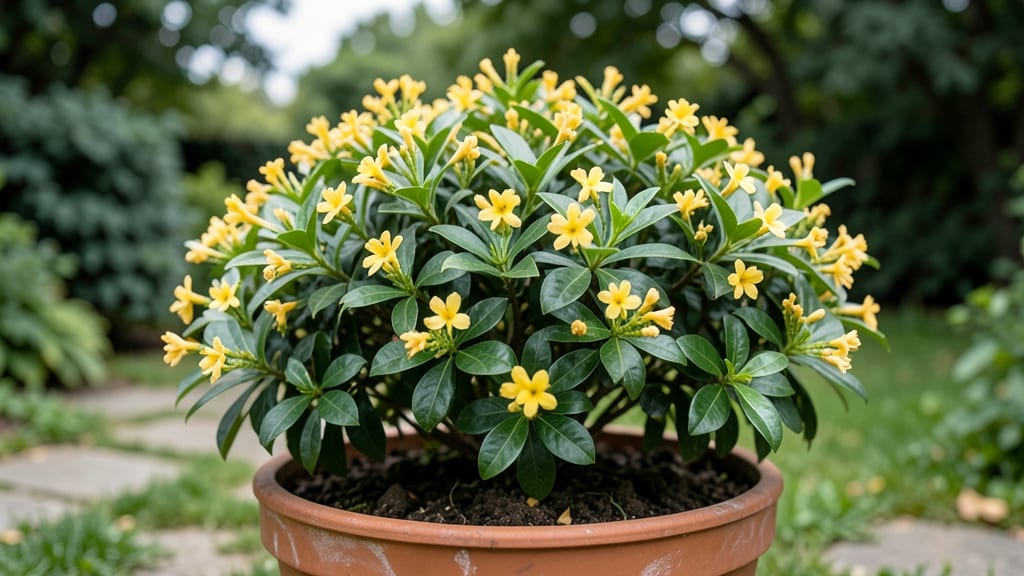
Growing a holly tree with yellow flowers transforms your yard into a sun-drenched jewel box. 🌿 The Ilex × 'Golden King' brings glossy leaves and golden blooms that catch the light like stained glass, thriving where other hollies struggle.
I planted mine last spring, and within two years, it became the centerpiece of my front yard—no fuss, just stunning year-round interest. This sun-lover needs full sun to partial shade and well-draining soil, but it’s forgiving about everything else.
My tree thrives in average garden soil, though it rewards richer soil with bigger blooms. Water it deeply once a week during dry spells, but resist the urge to overdo it—soggy roots are its only real enemy.
Prune lightly after flowering to shape it, and watch as it grows 3-5 feet tall with a spread to match. The payoff? Four seasons of beauty: bright yellow flowers in spring, glossy green leaves year-round, and red berries (if female) that add winter color.
It’s also deer-resistant, which is a bonus where I live. Pair it with azaleas or camellias for a layered, textured border that never goes out of style. Here’s the best part: it’s beginner-friendly but still impressive enough to wow neighbors.
Start with a 1-gallon container plant, and in three years, you’ll have a tree that feels like a pro-level landscaping choice—without the pro-level effort.
📚 In This Guide
- What you need
- Instructions
- Tips and common mistakes
- Wrapping up and next steps
What you need
- ● Holly tree variety: Choose Ilex verticillata (Winterberry) or Ilex × ‘Nellie R. Stevens’ (for yellow-flowering cultivars like ‘Little Gem’ or ‘Golden Rain’).
- ● Container or planting site: Containers: 1–2 gallon pots (for young plants) with drainage holes.
- ● Outdoor planting: Well-draining soil in a sunny spot (6+ hours of light daily).
- ● Soil: 1 bag (50 lb) of well-draining potting mix (or amend garden soil with perlite/peat moss for outdoor planting).
- ● Fertilizer: 1 lb of balanced, slow-release fertilizer (10-10-10 or 20-20-20).
- ● Mulch: 2–3 inches of organic mulch (pine bark or shredded leaves).
- ● Gloves: 1 pair of gardening gloves (for protection).
- ● Trowel or shovel: 1 hand trowel (for containers) or garden shovel (for outdoor planting).
- ● Watering can or hose: With a gentle spray nozzle (to avoid disturbing roots).
- ● Pruning shears: 1 pair of sterilized shears (for shaping or propagation).
- ○ Optional (but helpful!): pH test kit (to check soil acidity—holly prefers slightly acidic, 5.0–6.0).
- ● Rooting hormone (if propagating from cuttings).
- ● Stakes or trellis (for young saplings in windy areas).
Step-by-step instructions for planting and caring for holly trees with yellow flowers
Here’s how to establish your sun-loving holly tree with vibrant yellow blooms—so it thrives from day one.
🌱 Step 1: Choose the Right Planting Spot
Select a location with full sun to partial shade, ensuring at least 6 hours of direct sunlight daily. Yellow-flowering hollies like Ilex x 'Nellie R. Stevens' or Ilex verticillata 'Sparkle' love well-drained soil but tolerate a range of conditions. Avoid low-lying areas where water pools—these trees hate soggy roots.
Dig a hole twice as wide as the root ball but only as deep. Loosen the soil at the bottom to encourage root spread. If your soil is heavy clay, mix in a handful of compost to improve drainage. Here’s the thing—planting too deep or too shallow stresses the tree, so check the root flare (where roots meet trunk) should sit just above ground level.
🪴 Step 2: Plant and Water Deeply
Gently remove the tree from its container and place it in the hole, ensuring the root ball sits level. Fill the hole with soil, pressing lightly to eliminate air pockets. Water immediately after planting to settle the soil and remove any gaps. You’ll know it’s right when water drains evenly without pooling.
Add 3-5 gallons of water around the base, soaking the root zone completely. Mulch with 2-3 inches of organic mulch (like shredded bark) to retain moisture and suppress weeds. Keep mulch 6 inches away from the trunk—piling it against the base causes rot. This step is critical: proper watering now prevents future stress.
☀️ Step 3: Provide Consistent Care for First Year
Water once a week during the first growing season, giving 5 gallons per tree when the top 2 inches of soil feel dry. Yellow-flowering hollies are drought-tolerant once established, but young trees need steady moisture. Overwatering is just as bad—yellow leaves signal too much moisture, while crispy edges mean it’s thirsty.
Fertilize lightly in early spring with a balanced 10-10-10 fertilizer, applying ½ cup per tree. Avoid high-nitrogen fertilizers—they promote leafy growth at the expense of flowers. Prune only to shape in late winter, removing dead or crossing branches. Real talk: Hollies bloom on old wood, so heavy pruning reduces next year’s flowers.
✂️ Step 4: Maintain for Long-Term Blooms
After the first year, water only during prolonged dry spells—once every 2-3 weeks in summer, checking soil moisture before watering. Yellow-flowering hollies thrive with minimal care once established. Prune lightly in late winter to remove dead wood and shape the tree, but avoid heavy cuts that remove flowering branches.
Watch for pests like spider mites or scale, which thrive on stressed trees. A strong spray of water usually dislodges them, but for severe infestations, use horticultural oil. Here’s the moment that matters: If you see yellowing leaves paired with white webbing, act fast—mites spread quickly. Healthy hollies rarely need pesticides, but early intervention keeps them blooming beautifully year after year.
Tips & tricks for perfect holly tree with yellow flowers
Took me a while to learn these tricks—here's how to avoid common mistakes and give your yellow-flowering holly the best start possible.
Sunlight Strategy: Those 6 hours of sunlight are non-negotiable, but here's the thing: morning sun is gentler than afternoon heat. If you're in a hot climate, position your tree to get morning sun and afternoon shade—this prevents leaf scorch while still ensuring enough light for vibrant yellow blooms. I've seen trees in full afternoon sun develop brown patches, even when they had enough total sunlight.
Root Ball Prep: Before planting, give the root ball a good soak for 10-15 minutes. This prevents transplant shock when you place it in the hole. I learned this the hard way after losing two young hollies to dry roots. The soil should be evenly moist but not soggy when you handle it—think of it like a well-watered sponge. This step makes all the difference in the first critical weeks.
Mulching Mastery: That 2-3 inches of organic mulch isn't just for looks—it's a moisture regulator. Spread it in a donut shape, keeping it 6 inches from the trunk as instructed, but here's what nobody tells you: refresh the mulch every spring. Over time, it breaks down and loses its insulating power. A fresh layer helps maintain soil temperature and keeps weeds at bay without smothering your tree's roots.
Watering Wisdom: The 5 gallons per week for young trees might seem like a lot, but this is where most people go wrong. Water deeply but infrequently—aim for the soil to dry out slightly between waterings. I use a moisture meter now to check the top 2 inches of soil before watering, which has prevented both overwatering and underwatering. Yellowing leaves usually mean too much water, while crispy edges signal thirst—but both can happen if you're not consistent.
Pro Tips for Holly Tree With Yellow Flowers
- Took me a while to learn these tricks—here's how to avoid common mistakes and give your yellow-flowering holly the be...
- Sunlight Strategy: Those 6 hours of sunlight are non-negotiable, but here's the thing: morning sun is gentler than af...
- Root Ball Prep: Before planting, give the root ball a good soak for 10-15 minutes. This prevents transplant shock whe...
Frequently asked questions
Got questions about growing a stunning holly tree with yellow flowers? You’re not alone! Here are some of the most common queries—and their answers—to help you cultivate this sun-loving beauty with confidence.
What’s the best time of year to plant a holly tree with yellow flowers?
Plant your holly tree in early spring or fall when temperatures are mild (50–70°F). This gives roots time to establish before extreme heat or cold. Avoid planting in summer—heat stress can stunt growth. If you’re in a warm climate, opt for fall planting to prevent winter drought.
Does this holly tree need full sun, or can it tolerate partial shade?
While it thrives in full sun (6+ hours daily), some varieties tolerate partial shade (3–4 hours). However, fewer yellow flowers and slower growth may result. For vibrant blooms, prioritize a sunny spot. If shade is unavoidable, choose a location with morning sun and afternoon dappled light.
Why aren’t my holly tree’s yellow flowers appearing? Troubleshooting tips!
Missing flowers? Check these fixes:
- Insufficient sunlight: Move to a sunnier spot or supplement with grow lights.
- Over/under-watering: Holly trees prefer consistently moist (not soggy) soil. Adjust watering to 1–2 inches per week.
- Poor soil: Amend with compost or a balanced fertilizer (10-10-10) in early spring.
- Young tree: Some varieties bloom after 3–5 years—patience is key!
Can I grow a holly tree with yellow flowers in a container? What’s the best pot size?
Yes! Use a large container (at least 15–20 gallons) with drainage holes. Opt for a fast-draining potting mix (like cactus/succulent blend) to prevent root rot. Repot every 2–3 years and fertilize monthly during growing season. Place in a sunny spot (e.g., patio or balcony) for best results.
Are holly trees with yellow flowers deer-resistant? What pests should I watch for?
While not fully deer-proof, their spiky leaves often deter browsing. For extra protection, use deer repellent or plant near fragrant herbs (like lavender). Watch for:
- Scale insects (sticky residue on leaves): Treat with horticultural oil.
- Aphids (clustered on new growth): Spray with soapy water.
- Spider mites (yellowing leaves): Increase humidity or use neem oil.
Wrapping up and next steps
Growing a holly tree with yellow flowers is a rewarding journey that brings vibrant color and natural elegance to your yard—even in full sun!
With the right soil, spacing, and care, you’ll enjoy its striking blooms and glossy foliage for years. Don’t wait to start! Whether you’re a seasoned gardener or just beginning, this sun-loving beauty is perfect for adding a pop of cheer to any landscape.
🌱 Ready to plant? Grab your gloves, pick a sunny spot, and get growing—your future yellow-flowered holly is waiting for you! 🌿