
How To
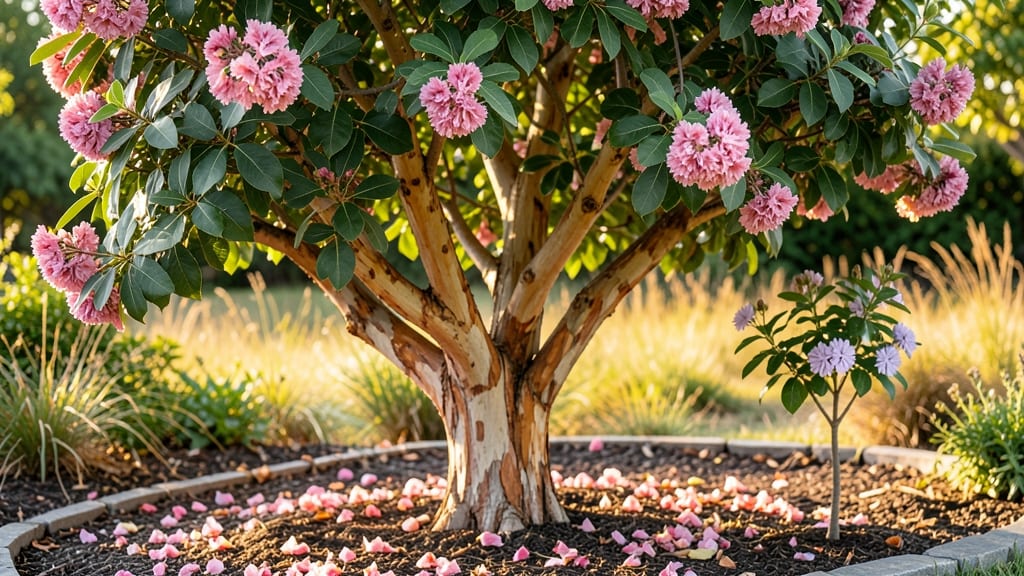
A crepe myrtle tree’s height can vary widely—how tall does a crepe myrtle tree grow?—ranging from 6 feet to towering 30 feet, depending on the variety and growing conditions you provide.
If you're dreaming of a stunning shade tree with vibrant blooms but limited space, understanding crepe myrtle growth habits is your first step—some varieties reach towering heights while others stay perfectly compact.
For example, the 'Natchez' cultivar typically matures around 20 feet, making it ideal for medium-sized yards, while the 'Arapaho' can stretch up to 30 feet in warmer climates.
Below, I’ll break down how climate, pruning, and soil type influence height, plus 5 pro tips to control growth naturally—so you get the perfect-sized tree for your landscape.


Crepe myrtle height ranges by popular variety (with mature size estimates)
Choosing the right crepe myrtle variety starts with understanding their mature height ranges. Some varieties grow into towering shade trees, while others stay compact enough for small yards. The key is matching your landscape space with the right cultivar to avoid overgrowth or underwhelming impact.
Crepe myrtles typically reach maturity in 3-5 years, but their final height varies dramatically. Dwarf varieties like 'Tonto' max out at just 6 feet tall, while giant types like 'Natchez' can soar to 30 feet or more.
Your climate zone also plays a role—cooler zones may stunt growth slightly compared to warm Southern regions.
Here’s a quick comparison: A 10-foot crepe myrtle fits well in a suburban front yard, while a 25-foot specimen belongs in a large estate or park setting. Always check the growth rate too—some varieties add 3 feet per year, while others grow just 1 foot annually.
For small-space gardeners, dwarf varieties like 'Tonto' or 'Centennial' are perfect. These stay under 8 feet tall and thrive in containers, making them ideal for patios or balconies. Their slower growth rate also means less pruning maintenance over time.
If you’re planting for shade and privacy, medium-height varieties like 'Arapaho' or 'Sioux' strike a balance. They reach 10-18 feet at maturity, providing ample coverage without overwhelming smaller properties. These varieties also produce abundant blooms, adding seasonal color to your landscape.
For bold statements, giant varieties like 'Natchez' or 'Catawba' deliver dramatic height and striking bark. These trees can exceed 25 feet, making them perfect for large estates or park-like settings. Just be prepared for their rapid growth—some add 3 feet per year in ideal conditions.
Pro tip: Always check your local climate zone before selecting a variety. Cooler zones (like USDA Zone 6) may see slightly reduced growth compared to warmer zones (Zone 9-10). For example, 'Natchez' might max out at 20 feet in Zone 6 but reach 30 feet in Zone 9.
When in doubt, start with a medium-height variety like 'Muscle Shoals' or 'Yankee Doodle'. These offer versatility for most yards and can be easily pruned to control
How climate zones affect crepe myrtle growth height (USDA zones 6-10)
Your crepe myrtle's ultimate height isn't just about the variety you choose—it's heavily influenced by your USDA climate zone. Cooler northern zones like Zone 6 often stunt growth, while southern climates in Zone 10 push these trees to their maximum potential.
Understanding these patterns helps you select the right variety for your space and climate.
In Zone 6, where frost cycles are frequent, crepe myrtles grow more slowly and may never reach their full genetic height potential. The stress of winter dormancy and shorter growing seasons can result in 20-30% reduced height compared to their southern counterparts.
For example, a 'Natchez' might max out at 18 feet instead of 25 feet.
Warmer zones like Zone 7-10 provide ideal conditions for aggressive growth. With longer frost-free periods and consistent warmth, crepe myrtles can grow 3-5 feet taller than their northern counterparts.
In Zone 10, some varieties like 'Tonto' may reach 30 feet without intervention, while the same tree in Zone 6 might stay under 15 feet.
| USDA Zone | Avg. Height Adjustment | Growth Rate | Key Climate Factors |
|---|---|---|---|
| Zone 6 | -20% to -30% | Slow (6-12 in/year) | Short growing season, frequent frost |
| Zone 7 | -10% to -15% | Moderate (12-18 in/year) | Mild winters, moderate humidity |
| Zone 8 | Standard growth | Fast (18-24 in/year) | Long growing season, low frost risk |
| Zone 9 | +10% to +15% | Very fast (24-30 in/year) | Warm winters, high humidity |
| Zone 10 | +20% to +30% | Aggressive (30+ in/year) | Tropical climate, no frost |
Humidity also plays a role—high humidity in Zones 9-10 can accelerate growth but may increase susceptibility to powdery mildew if not managed. In contrast, Zone 6-7 gardens benefit from drier air, which reduces disease pressure and allows for more controlled growth patterns.
For gardeners in Zone 6-7, consider dwarf varieties like 'Yankee' (12-15 feet) or 'Arapaho' (15-20 feet) to avoid disappointment. In Zones 8-10, if you want to manage height, implement annual pruning in late winter to control vertical growth while maintaining that stunning bloom display.
Remember, even within zones, microclimates matter. A crepe myrtle planted in a sheltered southern exposure in Zone 6 may outperform one in a windy northern corner. Always observe your tree's response to local conditions and adjust care accordingly. 🌳