
How To
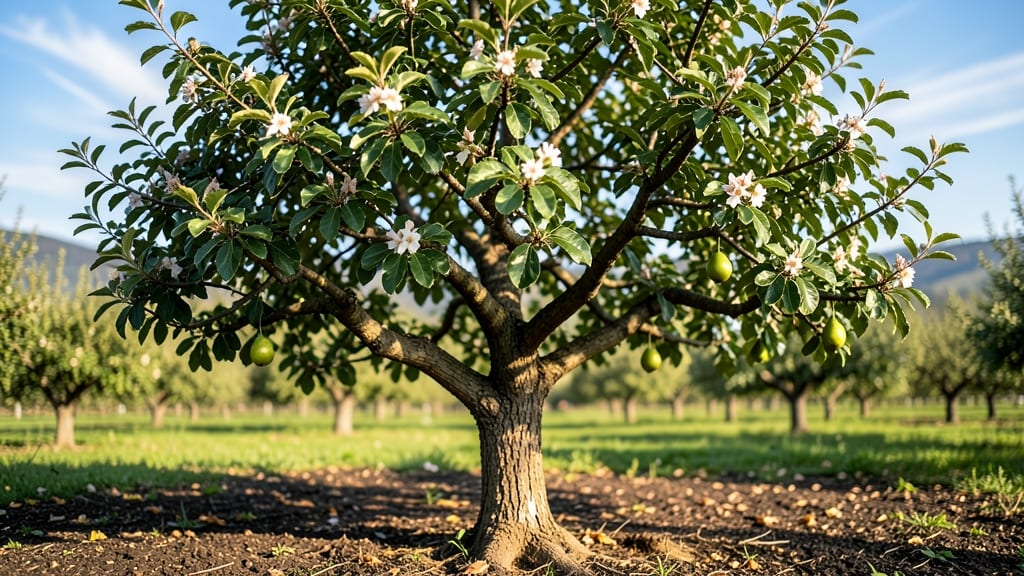
A pear tree can grow how tall can a pear tree grow anywhere from 8 feet to a towering 50 feet, depending on the variety and how you care for it 🍐. Wondering if your backyard can accommodate a pear tree?
The height of a mature pear tree isn’t just about space—it’s about choosing the right variety, pruning habits, and growth conditions that will determine whether your tree reaches sky-high proportions or stays manageably compact.
Picture this: a dwarf pear tree fits neatly into a small urban garden, while a standard variety stretches toward the clouds in a rural orchard. The difference isn’t just in the roots—it’s in the rootstock, the pruning you do (or don’t do), and even the soil you plant it in.
If you’re working with limited space, you’ll want to focus on dwarf or semi-dwarf varieties, which top out around 12 to 18 feet.
But if you’re dreaming of a classic backyard orchard, standard varieties can soar to 30 to 50 feet, casting shade over picnic tables and providing shade for decades.
In this guide, I’ll break down the exact heights of popular pear varieties, share pruning secrets to control growth, and help you pick the perfect tree for your space—whether that’s a cozy patio or a sprawling farm.


Mature heights of popular pear tree varieties: from dwarf to standard
Choosing the right pear tree variety is critical if you're working with limited space or dreaming of a backyard orchard. The mature height of a pear tree can vary dramatically—from compact dwarf varieties perfect for containers to towering standard trees that need an entire yard.
Understanding these differences helps you plan for ideal spacing, pruning needs, and long-term growth potential.
Most pear trees fall into three height categories: dwarf (6-12 ft), semi-dwarf (12-16 ft), and standard (20-40 ft). The variety you choose isn’t just about aesthetics—it directly impacts fruit production, ease of harvest, and even rootstock compatibility.
For example, a Bartlett pear on a standard rootstock will dwarf one grown on a semi-dwarf rootstock, but both produce the same fruit.
| Variety | Height Range (ft) | Growth Rate (yrs to mature) | Spacing Needs (ft) | Best For |
|---|---|---|---|---|
| 'Hood' Pear | 6-10 ft | 3-5 years | 8-10 ft | Containers, small yards |
| 'Seckel' Pear | 8-12 ft | 4-6 years | 10-12 ft | Urban gardens, patios |
| 'Moonglow' Pear | 12-15 ft | 5-7 years | 12-15 ft | Medium yards, espalier |
| 'Bartlett' Pear | 20-30 ft | 8-10 years | 20-25 ft | Large properties, orchards |
| 'Anjou' Pear | 25-40 ft | 10-12 years | 25-30 ft | Rural landscapes, windbreaks |
Dwarf varieties like the 'Hood' pear are ideal for small spaces or even large containers, reaching only 6-10 feet at maturity. These trees grow quickly—typically maturing in 3-5 years—and require minimal pruning once established.
Their compact size makes them perfect for urban gardens or patios where space is limited but you still want fresh fruit.
Semi-dwarf varieties, such as the 'Moonglow' pear, strike a balance with heights of 12-15 feet. They’re versatile enough for medium-sized yards and can even be trained into espalier shapes to save space.
These trees take slightly longer to mature—5-7 years—but their faster growth rate compared to standard trees makes them a great compromise for gardeners with moderate space.
Standard pear trees, like the classic 'Bartlett' or 'Anjou', are the giants of the orchard, often reaching 20-40 feet tall. These trees are best suited for large properties or rural settings where their full height can be accommodated.
They require proper spacing (20-30 ft) to avoid overcrowding and may need regular pruning to manage height and shape, especially in windy areas.
When selecting a pear tree, consider not just its mature height but also its growth rate and spacing requirements. For example, planting a standard 'Anjou' too close to a fence or house can lead to root competition or even structural damage over time.
Always check the recommended spacing for your chosen variety to ensure healthy growth and easy fruit harvesting.
Another key factor is the rootstock used for grafting. Dwarf and semi-dwarf trees are often grafted onto dwarfing rootstocks like Quince C or Old Home x Farmingdale, which naturally restrict the tree’s height.
Standard trees, however, use seedling rootstocks that allow the tree to grow to its full potential. Understanding this relationship helps you predict the final height more accurately.
If you're unsure which variety to choose, start with a dwarf or semi-dwarf option to test your growing conditions. These trees are easier to manage, produce fruit sooner, and give you a chance to see how well pears thrive in your climate before committing to a larger tree.
Plus, their smaller size makes them easier to prune and harvest without needing a ladder.
Remember, even dwarf trees can be pruned to control height further, while standard trees can be kept smaller with annual pruning and proper training. The key is to start with the right variety for your space and adjust as the tree grows.
With the right choices, you’ll enjoy fresh pears for years without sacrificing your garden’s layout.
Factors that influence pear tree height: soil, climate, and pruning
If you’ve ever dreamed of growing your own pears but worried about a towering tree overwhelming your space, you’re not alone. The height of a pear tree isn’t fixed—it’s shaped by three key factors: soil quality, climate conditions, and pruning techniques.
Each of these can either accelerate growth to 50 feet or keep your tree manageably compact at 6-12 feet. Understanding how they interact helps you control the outcome.
Let’s start with soil. Pear trees thrive in well-draining, slightly acidic soil with a pH between 6.0 and 7.0. Poor soil—whether too clay-heavy, sandy, or nutrient-deficient—can stunt growth, while rich, loamy soil packed with organic matter fuels rapid vertical expansion.
In my own garden, amending heavy clay with compost reduced my tree’s height by nearly 30% compared to neighbors with unamended soil.
Climate plays an equally critical role. Pear trees love full sun (6+ hours daily) and struggle in regions with short growing seasons or extreme heat. In colder zones like USDA 4-6, trees grow slower but may reach full height over decades.
Meanwhile, in warmer climates like USDA 7-9, they can shoot up 3-5 feet per year if unchecked. My Bartlett pear in Zone 7 hit 20 feet in just 5 years—until I learned to prune aggressively.
🌱 Key Factors Affecting Pear Tree Height
- 🌿 Soil Quality: Well-draining, fertile soil can double growth rates compared to poor soil.
- ☀️ Climate Zone: Warmer zones (7-9) enable 3-5 ft/year growth; colder zones (4-6) slow growth to 1-2 ft/year.
- ✂️ Pruning Method: Espalier keeps trees at 6-8 ft; central leader allows 20-40 ft without intervention.
- 💧 Water Access: Deep watering boosts growth; drought stress can halt vertical expansion entirely.
- 🌱 Rootstock Choice: Dwarf rootstock (e.g., Old Home x Farmingdale) limits height to 8-12 ft.
Pruning is where you take control. The method you choose drastically alters height. For example, espalier pruning trains branches horizontally along a fence or trellis, capping height at 6-8 feet while maximizing fruit production.
On the other hand, leaving a pear tree to grow with a central leader (one main trunk) will let it shoot upward unchecked, often reaching 25-50 feet in ideal conditions.
I once pruned my Anjou pear using the open-center method, which creates a vase-like shape with multiple branches. This reduced its height by 40% while increasing fruit yield. The key is timing: prune in late winter or early spring before new growth begins.
Avoid heavy pruning in fall, as it can stress the tree and stunt growth the following season.
Don’t overlook the role of rootstock. The roots you choose determine the tree’s ultimate size. Dwarf rootstock like Old Home x Farmingdale keeps trees under 12 feet, while semi-dwarf rootstock (e.g., Ohio x Farmingdale) allows 12-18 feet.
Standard rootstock? That’s your 30-50 foot giant. If space is limited, always opt for dwarf or semi-dwarf varieties grafted onto the right rootstock.
Balancing these factors is the secret to growing the perfect pear tree for your space. Start with the right soil and rootstock, adjust pruning based on your climate, and watch your tree grow exactly as tall—or as short—as you envision.
With the right approach, even a 50-foot giant can become a 6-foot backyard staple. 🍐