
How To
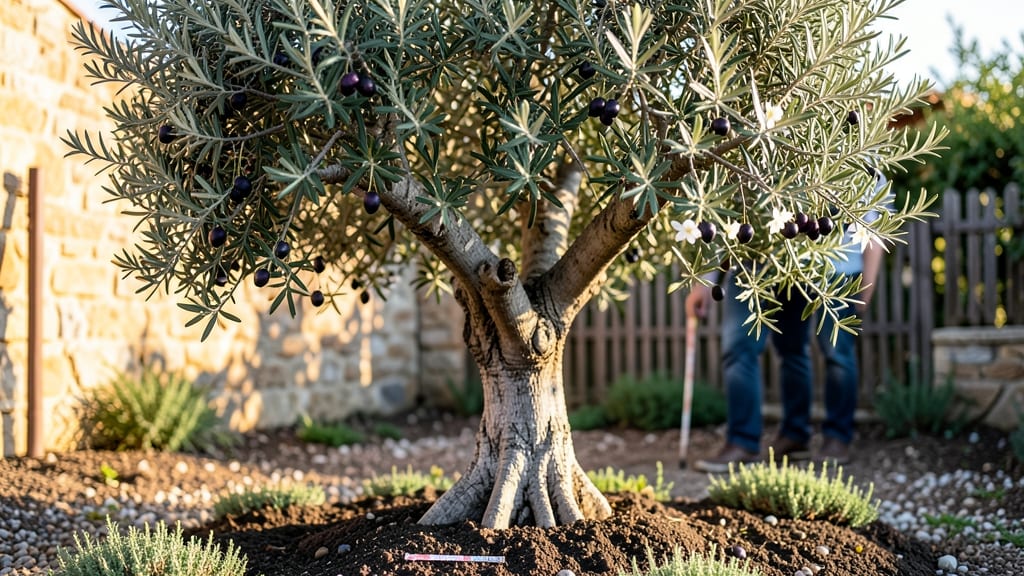
An olive tree 🫒 can grow anywhere from 10 feet to towering 50 feet tall, depending on the variety and how you care for it.
If you're dreaming of a Mediterranean-style garden but worried about an olive tree outgrowing your space, understanding its natural height—and how to shape it—is your first step to success.
Some varieties, like the dwarf Arbequina, max out around 8-12 feet, while standard types like Frantoio can reach 20-30 feet in just a few years. The key? Pruning at the right time and using simple techniques to control its growth without stunting it.
In this guide, I’ll break down the height ranges by variety, share pruning secrets to keep your tree manageable, and even show you three natural ways to limit its size—no heavy-duty tools required.


Natural olive tree height: species, growth rates, and mature size variations
If you're planning to add an olive tree to your garden, knowing its natural height is crucial for space planning. Olive trees are stunning but can reach impressive heights—some varieties even towering over two-story houses.
The key to managing their size lies in understanding the species differences and how climate and age influence growth.
Olive trees belong to the Olea europaea species, but their mature heights vary dramatically. Some dwarf varieties stay under 12 feet, while standard types can soar to 50 feet or more.
Choosing the right variety for your space—and understanding how fast it grows—will determine whether your olive tree becomes a centerpiece or a space hog.
The Arbequina variety, for example, is a dwarf olive tree that tops out at just 8–12 feet, making it perfect for containers or small patios. In contrast, the Leccino variety can grow to 50 feet or taller, requiring ample space and regular pruning to manage its size.
If you live in a coastal climate, varieties like Frantoio thrive, while Kalamata olives prefer drought-prone regions.
Growth rates also depend on your USDA hardiness zone. In Zone 8–10, olive trees grow faster due to longer growing seasons, while in Zone 7, growth slows significantly.
For instance, a Frantoio in Southern California might add 3 feet per year, while the same tree in North Carolina could grow just 1 foot annually.
Age plays a critical role too. Young olive trees grow slowly in their first 3–5 years, often reaching only 2–4 feet tall. However, once they mature—typically between ages 5–10—growth accelerates.
By year 10, a standard olive tree can stand 15–20 feet tall, and by year 20, it may surpass 30 feet if unpruned.
If you're growing an olive tree in a container, its height will naturally stay shorter due to root restriction. Container-grown Arbequina trees often max out at 6–8 feet, while in-ground plants reach their full potential.
Always choose a well-draining pot at least 2–3 feet deep to prevent root-bound stress.
For fastest growth, ensure your olive tree gets full sun (6+ hours daily) and well-draining soil. Overwatering or poor drainage can stunt growth, while balanced fertilization (e.g., 10-10-10 NPK) encourages healthier, faster expansion. In urban gardens, consider dwarf rootstocks to naturally limit height without pruning.
Understanding these factors helps you predict your olive tree’s future size. Whether you're aiming for a compact patio tree or a tower
Pruning techniques to control olive tree height: step-by-step guide
Controlling the height of your olive tree starts with understanding the right pruning techniques and timing. Olive trees naturally grow 20-50 feet tall, but with proper care, you can shape them to fit your garden.
The key is using the right cuts and timing to encourage healthy regrowth without stressing the tree.
Pruning isn’t just about cutting branches—it’s about guiding the tree’s energy toward desired growth patterns. Whether you want a compact dwarf olive tree or a manageable standard-sized tree, the methods below will help you achieve your goal while keeping your tree thriving.
Always use sterilized tools to prevent disease spread.
Gather sharp pruning shears, loppers, and a pruning saw for thicker branches. Sterilize blades with rubbing alcohol to prevent bacterial spread.
Remove dead or crossing branches first. For height control, focus on vertical shoots growing upward from the main trunk.
Cut just above a leaf node or bud to encourage lateral growth. Aim for 1/3 of the branch length to slow vertical growth.
Remove overlapping branches to improve airflow. Focus on inner branches that block sunlight from reaching the center.
Prune before bud break (late winter/early spring) to avoid disease risks. Avoid heavy pruning in summer or fall, as it stresses the tree.
After pruning, watch for new shoots. If growth is too vigorous, repeat heading cuts in 6-8 weeks to maintain shape.
For dwarf varieties, like Arbequina, you can prune more aggressively to keep them under 8-12 feet. Standard varieties, such as Frantoio, will need moderate pruning to stay below 15 feet.
Always step back after pruning to visualize the tree’s new shape—this helps you spot any unbalanced growth early.
Remember, olive trees respond well to gradual pruning. Avoid removing more than 25% of the foliage in a single session, as this can shock the tree. Pair your pruning with regular watering and balanced fertilization to support recovery.
With patience, your olive tree will thrive at your desired height while still producing delicious fruit.
Pro tip: Use a pruning guide or tree training stakes to mark target heights before cutting. This visual reference makes it easier to achieve consistent results year after year. 🪴