
How To
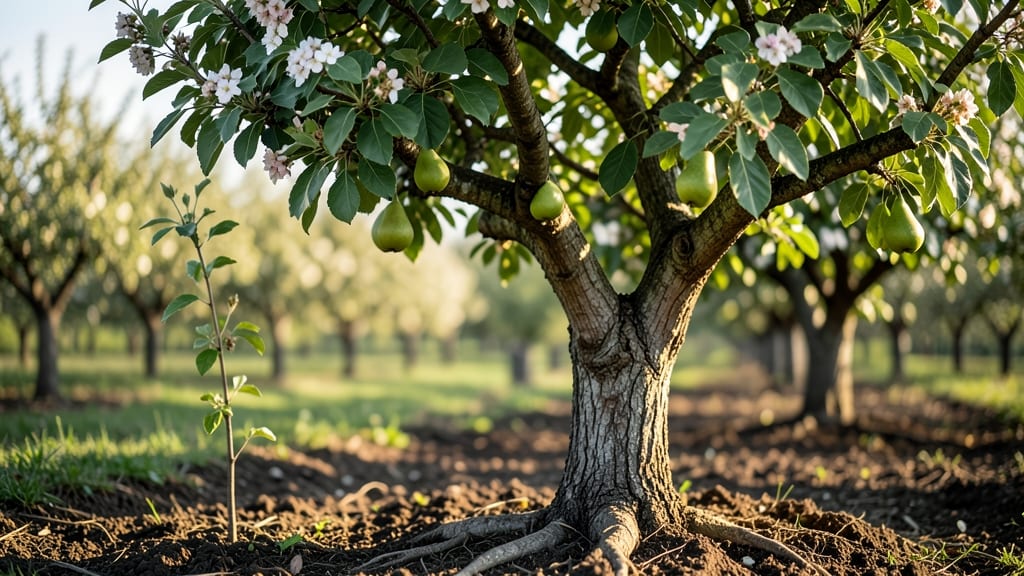
A pear tree’s mature height can how tall it grows—ranging from a compact 8 feet to towering 50 feet—depending on the variety and rootstock you choose.
Wondering if your backyard has enough space for a pear tree? The height of these fruit-bearing giants can vary dramatically—from compact dwarf varieties to towering standards—depending on the cultivar, rootstock, and your pruning approach.
Dwarf pear trees stay under 12 feet, making them perfect for small yards or even containers, while standard varieties can reach the height of a four-story building. The right choice depends on your space, climate, and how much maintenance you’re willing to handle.
In this guide, I’ll break down the exact heights by variety, share pruning secrets to control growth, and recommend the best small-space options for urban gardens.


Pear tree height by variety: dwarf to standard sizes explained
Choosing the right pear tree variety is crucial for small gardens or urban spaces, where space is limited. The mature height of a pear tree can range from a manageable 8 feet for dwarf varieties to towering 50 feet for standard trees.
This variation is primarily determined by the rootstock used during grafting, which controls the tree's overall size and growth rate.
Understanding these differences helps you select the perfect pear tree for your landscape. Dwarf rootstocks, like Old Home x Farmingdale (OHxF), keep trees under 12 feet, while semi-dwarf rootstocks (such as Quince A) reach 12-18 feet.
Standard rootstocks, like Seedling, can grow up to 50 feet, making them ideal for large orchards but impractical for most backyards.
Popular varieties like Bartlett and Anjou are available in dwarf and semi-dwarf forms, making them versatile for different garden sizes. For example, a Bartlett pear tree on OHxF 333 rootstock will stay under 12 feet, while the same variety on a standard rootstock can reach 30 feet.
Always check the rootstock type when purchasing to avoid surprises.
Spacing is another critical factor. Dwarf pear trees need 8-10 feet of space between plants, while semi-dwarf varieties require 12-15 feet. Standard trees may need up to 25 feet to prevent overcrowding and ensure proper airflow, which reduces disease risks.
In small gardens, consider planting multiple dwarf trees instead of one large standard tree.
Environmental factors like sunlight and soil quality also influence a pear tree's growth. Full sun (6+ hours daily) is essential for optimal fruit production, while well-draining, slightly acidic soil (pH 6.0-7.0) promotes healthy root development.
Without proper care, even dwarf varieties may grow taller than expected, so always follow planting and maintenance guidelines for your specific cultivar.
If you're unsure about the final height of your pear tree, consult the nursery or supplier for details on the rootstock used. Many nurseries now offer columnar pear trees, which grow vertically to 10-12 feet but take up minimal horizontal space—ideal for narrow yards or urban gardens.
These varieties are perfect for those who want fruit without sacrificing valuable space.
For maximum fruit production, choose a variety that matches your climate zone. For example, Asian pears thrive in cooler regions, while Bartlett and Anjou are more adaptable to a wider range of conditions. Always select disease-resistant varieties to minimize maintenance and ensure a bountiful harvest year after year.
Pruning plays a key role in controlling height and encouraging fruit production. Regular pruning in late winter or early spring helps maintain the desired shape and size while improving airflow. Avoid heavy pruning in summer, as this can stress the tree and reduce fruit quality.
With the right variety and care, your pear tree will provide delicious fruit for decades to come.
🍐🌿🪴
Pruning secrets to control pear tree height and shape
If your pear tree is outgrowing its space or looking unruly, strategic pruning is your best tool to shape it while maximizing fruit production. The key lies in understanding when and how to prune—whether you're working with a dwarf variety or a standard tree.
Proper techniques can reduce a 20-foot tree to a manageable 8-foot height without sacrificing yield. Let’s dive into the step-by-step methods that work for both winter and summer pruning seasons.
Timing is everything when pruning pear trees. Winter pruning (dormant season) is ideal for major structural adjustments, while summer pruning helps control growth and improve air circulation. For best results, avoid heavy pruning in late summer, as this can stimulate late-season growth vulnerable to frost damage.
Always use clean, sharp tools to prevent disease spread and make precise cuts just outside the branch collar.
Step-by-Step Pruning Guide for Pear Trees
- 1 Assess the Tree: Remove dead, diseased, or crossing branches first. Look for water sprouts (vertical shoots) and suckers (shoots from the base) to eliminate early.
- 2 Winter Pruning (Dormant Season): Prune 20-30% of the canopy in late winter (before buds swell). Focus on removing old wood (over 5 years old) to encourage fruit-bearing spurs and new growth.
- 3 Summer Pruning (Growing Season): Lightly prune in June-July to thin out crowded branches and improve airflow. Remove shoots growing inward or shading the center of the tree.
- 4 Shape the Canopy: Use the open-center or central leader method. For dwarf trees, maintain a rounded shape with a low center (6-8 feet tall). For standard trees, encourage a tall, narrow silhouette with a single dominant leader.
- 5 Correct Overgrowth: If your tree is too tall, prune selective branches from the top third to reduce height gradually. Avoid topping (cutting the main stem), as this can stunt growth and reduce fruiting.
- 6 Post-Pruning Care: Apply a balanced fertilizer (10-10-10) after pruning to support new growth. Mulch the base with organic matter to retain moisture and water deeply to reduce stress.
For maximum fruit production, prioritize pruning to open the canopy and reduce shade inside the tree. Pears thrive on sunlight exposure, so aim for a well-ventilated structure with even light distribution.
If your tree is over 15 feet tall and you want to lower its height, focus on removing upward-growing branches and encouraging lateral growth with strategic cuts.
Pro tip: Use a pruning saw for thick branches (over 1 inch) and hand pruners for smaller cuts. Always sterilize tools with rubbing alcohol between cuts to prevent bacterial or fungal infections.
With patience and precision, you can shape your pear tree to fit your space while ensuring a bountiful harvest every season. 🍐✂️