
How To
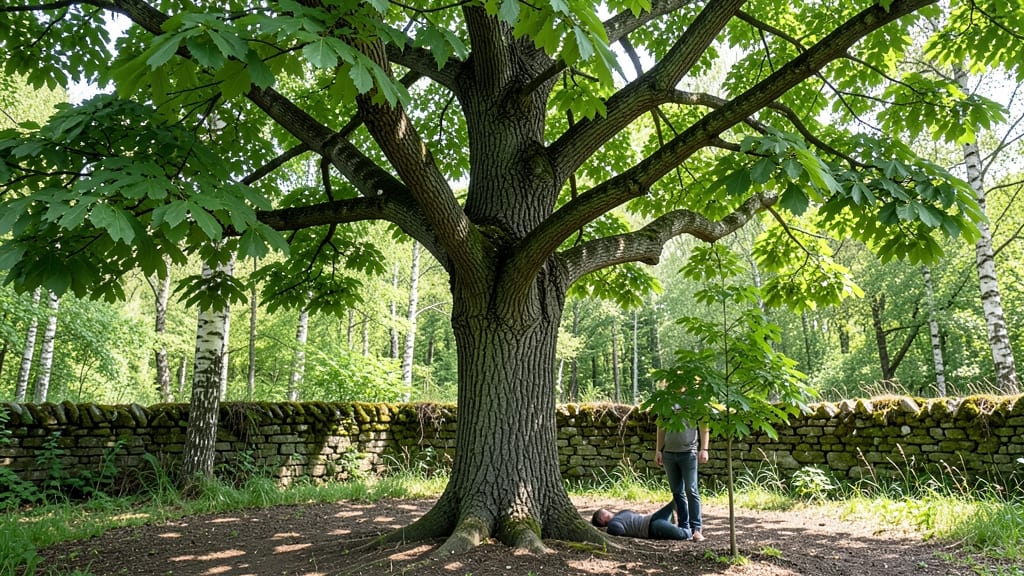
An ash tree 🌳 can grow anywhere from 40 to 80 feet tall, depending on the species and growing conditions — that’s the kind of height that changes how you plan your yard forever.
If you're considering planting an ash tree in your yard, knowing its mature height isn’t just about aesthetics—it’s about long-term planning for space, sunlight, and even property value. But here’s the catch: ash tree varieties can vary wildly in height, from towering giants to compact beauties.
White ash, for example, often reaches 60 to 75 feet, while green ash tends to stay a bit shorter, around 50 to 60 feet. Black ash, on the other hand, might max out at 40 to 50 feet, making it a better fit for smaller properties.
Below, I’ll break down how sunlight, soil, and pruning can influence your tree’s final height, plus tips to keep it at your desired size without sacrificing its health.


Ash tree height by species: mature sizes & growth rates compared
Choosing the right ash tree for your landscape starts with understanding their mature height and growth rates. Ash trees (Fraxinus species) come in stunning varieties, but their final size can differ dramatically—some reach skyscraper heights while others stay more manageable.
For example, the White Ash often towers over Green Ash, which makes it a better fit for smaller yards. Let’s break down the key differences so you can pick the perfect specimen for your space.
If you’re planning around property lines or power lines, knowing these details is crucial. A Black Ash, for instance, might not grow as tall as a Pendula Ash, but it offers unique foliage and wildlife benefits.
Below, we’ll compare the most popular ash tree varieties—including their height ranges, spread, and growth speed—to help you make an informed decision.
Mature height isn’t the only factor to consider. Some ash trees grow 2-3 feet per year in ideal conditions, while others take decades to reach their full potential. For instance, a Green Ash might grow faster in wet soils, while a White Ash thrives in drier climates. We’ll also highlight how soil type, sunlight exposure, and climate influence growth patterns, so you can optimize conditions for your chosen variety.
The White Ash is the tallest of the bunch, often reaching 60-80 feet with a sprawling canopy of 40-60 feet. This makes it ideal for large properties or urban forests, but it may overwhelm smaller yards.
If you’re working with limited space, the Pendula Ash offers a stunning, weeping form that stays 40-60 feet tall but with a narrower spread, perfect for ornamental gardens or landscape accents.
For wet soils or urban environments, the Green Ash is a top choice. It grows 2-3 feet per year, reaching 50-70 feet in ideal conditions, but its adaptability makes it a favorite for city planting.
Meanwhile, the Black Ash is slower-growing (1 foot per year) and better suited for swampy areas or wildlife habitats, where its unique bark and compact size shine.
If you’re prioritizing fast growth, the Green Ash is your best bet, while the White Ash offers the most impressive height for statement-making landscapes.
The Blue Ash, native to dry soils, strikes a balance with a moderate growth rate and drought tolerance, making it a great choice for xeriscaping or low-maintenance gardens.
Before planting, check your local climate zone and soil type, as these can significantly impact growth. For example, White Ash thrives in USDA Zones 3-9 with well-drained soil, while Green Ash tolerates moist, even poor soils in Zones 3-8.
Always measure your space and consider future tree growth to avoid overcrowding or power line conflicts.
Pro tip: If you’re unsure which variety to choose, start with a
How growth conditions affect ash tree height: sunlight, soil & climate factors
The height of an ash tree isn’t just determined by genetics—your local growth conditions play a massive role. While some varieties naturally reach 60-80 feet, others may stay shorter if they don’t get ideal care.
Understanding how sunlight, soil, and climate influence growth helps you plan for the perfect ash tree in your yard.
For example, a white ash tree in full sun with rich soil might hit 70 feet, but the same tree in partial shade with poor drainage could max out at 40 feet.
These factors aren’t just about height—they affect root depth, branch strength, and disease resistance too. Let’s break down how to optimize each condition for healthier, taller (or shorter, if that’s your goal!) ash trees.
If you’re planting in a smaller yard, focus on soil amendments like compost to improve drainage and nutrients. For larger properties, prioritize full sun exposure and mulch around the base to retain moisture.
Even a 10% improvement in soil quality can add 5-10 feet to your ash tree’s mature height over 20 years.
Don’t forget about local microclimates. A tree on a south-facing slope may grow taller than one in a northern valley, even if they’re the same species. Use these insights to adjust your planting strategy—whether you want a towering shade tree or a more manageable size for your space.
For best results, test your soil before planting and adjust pH with lime or sulfur if needed. Pair that with consistent watering and you’ll see your ash tree hit its genetic height potential faster than average.
Just remember: patience is key—these trees take 10-20 years to reach their full height! 🌳