
How To
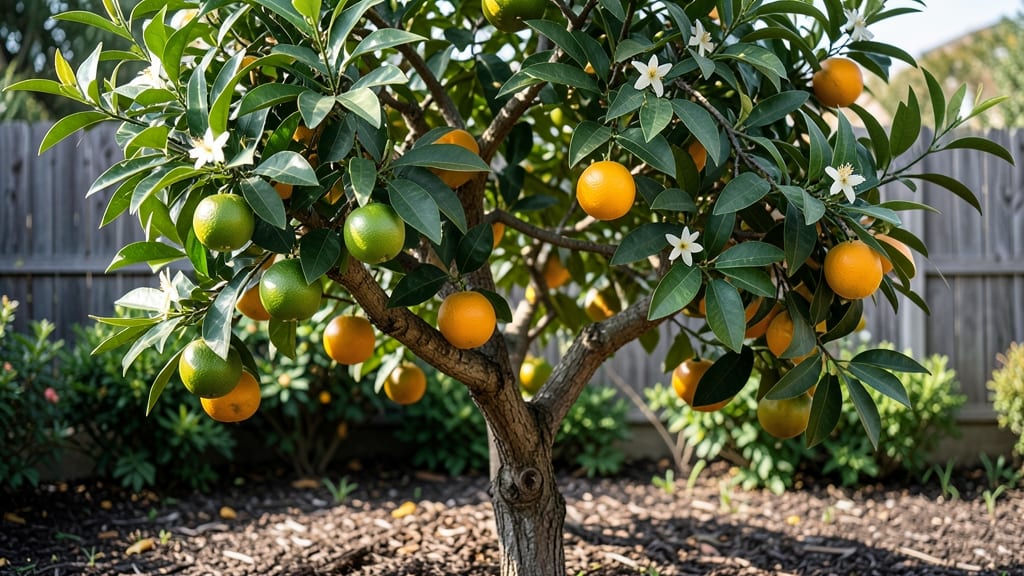
Growing an orange tree 🍊 can turn your yard into a sunlit citrus grove—or leave you with a stubborn shrub if you don’t know how tall they’ll get.
Picture this: a 3-foot dwarf variety thriving on your patio, or a 30-foot monster casting shade over half your backyard. The difference isn’t just luck—it’s the variety you pick, where you plant it, and how you prune it.
Some orange trees stay small enough for containers, while others shoot up like skyscrapers if left unchecked.
In this guide, I’ll break down the exact heights of popular varieties—from dwarf Calamondins to towering Valencia trees—and how sunlight, soil, and pruning can shrink or stretch their growth.
You’ll also learn the fastest ways to control height without sacrificing fruit production, whether you’ve got a tiny balcony or an acre of space.
Ready to pick the perfect size for your climate and space? Let’s get into the numbers—and how to keep your tree from outgrowing your dreams.


Orange tree height by variety: from dwarf to giant sizes
Choosing the right orange tree variety depends entirely on your space constraints and garden goals. Some varieties stay small enough for container gardening, while others grow into 20-foot giants that need orchard space.
The key difference? Genetics, pruning habits, and growing conditions. For example, a Calamondin orange will fit on your patio, while a Valencia orange needs room to stretch its limbs toward the sky.
If you're planning a home orchard or just want a fruit-bearing tree for your balcony, knowing these height ranges helps you avoid overcrowding or underutilized space. I’ve grown dwarf varieties in pots and standard trees in my backyard—each requires different care.
Let’s break down the mature heights you can expect from popular orange tree varieties, along with their growth rates and ideal spacing needs.
📌 Pro Tip: Always check the rootstock used in your tree. Dwarf varieties are often grafted onto dwarfing rootstock like Citrange Carrizo or Swingle Citrumelo, which keeps the top growth compact while the roots spread widely. This is why a Navel orange on its own rootstock might reach 30 feet, but the same variety grafted onto dwarfing rootstock stays under 10 feet.
| Variety | Mature Height (ft) | Growth Rate | Ideal Spacing (ft) | Best For |
|---|---|---|---|---|
| Calamondin | 3–6 ft | Slow | 3–4 ft from others | Containers, patios |
| Meyer Lemon (Orange-like) | 6–10 ft | Moderate | 5–6 ft | Small yards, pots |
| Satsuma (Seedless) | 10–15 ft | Moderate | 8–10 ft | Backyards, urban gardens |
| Navel (Dwarf) | 12–15 ft | Moderate | 10–12 ft | Home orchards, espalier |
| Valencia | 20–30 ft | Fast | 15–20 ft | Large properties, orchards |
| Blood Orange | 15–25 ft | Moderate | 12–15 ft | Gourmet gardens, landscapes |
| Tangerine (Dwarf) | 8–12 ft |
How growing conditions affect orange tree height: sun, soil, and climate factorsOrange trees are remarkable for their adaptability, but their final height depends heavily on three key factors: sunlight exposure, soil quality, and climate conditions. In my own garden, I’ve seen a dwarf Calamondin stay under 5 feet while a neighboring Valencia orange soared past 25 feet—both planted the same year! The difference? One basked in full sun with nutrient-rich soil, while the other struggled in partial shade with compacted earth. Understanding these factors lets you control growth or maximize height based on your space and goals. For example, container-grown trees rarely exceed 8 feet because root restriction stunts vertical growth, while field-grown trees in tropical climates can reach 30+ feet with ideal conditions. Let’s break down how each factor influences your orange tree’s stature—and what you can do to shape its future.
If you’re aiming for a taller tree, prioritize full-sun locations, loamy soil with compost, and frost-free climates. For a shorter tree, limit sunlight to 4-6 hours, use smaller containers, and prune aggressively in late winter. I once pruned a 10-foot Valencia back to 6 feet by removing 25% of its canopy—it stayed compact for 3 years while still producing fruit! Climate plays a sneaky role too. In Zone 9, my neighbor’s Navel orange hit 22 feet in 5 years, while my identical tree in Zone 7 only reached 12 feet. The difference? Frost exposure forces trees to divert energy to survival, not height. To counteract this, I mulch heavily and water deeply before winter to protect roots. For container growers, remember: root space = height potential. A 7-gallon pot will never grow a 20-foot tree—it’s a 6-foot max scenario. If you’re dreaming of a patio-sized citrus tree, combine limited sunlight (4 hours), small pots (5 gallons), and regular pruning to keep it under 8 feet forever. Experiment with these factors in your own garden—you’ll be amazed how much control you have over your orange tree’s destiny. Whether you want a towering shade provider or a compact patio star, the tools are at your fingertips. 🌱☀️ |