
Propagation
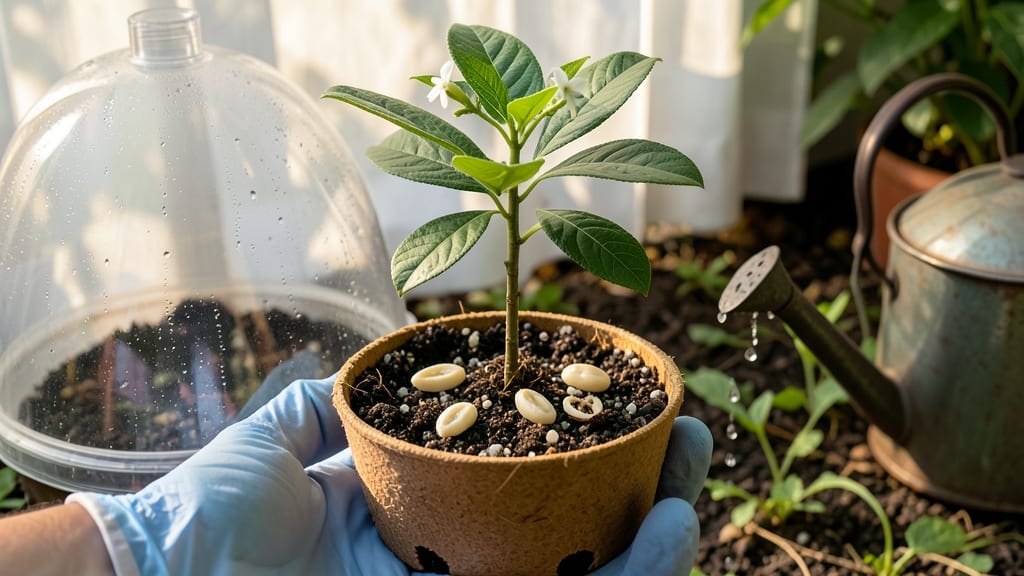
Growing guava trees from seed feels like nurturing a tiny tropical dream. 🌱 The journey starts with a single seed that could become a lush, fruit-bearing tree in just 6 months—if you know the right steps.
I’ve turned my kitchen counter into a mini nursery for these tropical beauties, and the results are worth every bit of patience.
The secret isn’t complicated: warm soil, consistent moisture, and bright light. Most people rush germination, but guava seeds need 3-4 weeks of steady warmth before they even crack open.
I use a simple seed-starting tray with a heating mat, and within weeks, you’ll see those first green shoots reaching for the light.
By the time you transplant them outdoors, your seedlings will be sturdy enough to handle real sunshine and occasional dry spells. The real magic happens when those first leaves appear—thick, glossy, and full of promise. With proper care, you’ll be harvesting sweet, fragrant guavas within 2-3 years.
Whether you’re starting indoors near a sunny window or moving straight to the garden, this method works for any climate that can handle tropical plants. The key is staying consistent—guava trees reward patience with vibrant growth and delicious fruit.
📚 In This Guide
- What you need
- Instructions
- Tips and common mistakes
- Wrapping up and next steps
What you need
- ● Guava seeds: 3–5 fresh, plump seeds (harvested from ripe guava fruit). Pro tip: 💡 Rinse seeds to remove pulp before planting!
- ● Small seed-starting pots: 3–4 biodegradable pots (4–6 inches in diameter) or a seed tray with drainage holes.
- ● Well-draining potting mix: A blend of 50% coconut coir, 30% perlite, and 20% compost (sterilized to prevent mold).
- ● Spray bottle: For gentle watering (avoid over-saturating seeds).
- ● Plastic wrap or humidity dome: To create a mini greenhouse effect.
- ● Grow lights or sunny windowsill: A warm, bright spot (70–85°F) for germination.
- ● Larger container or garden plot: For transplanting seedlings (1–2 gallons per plant).
- ● Balanced fertilizer (5-5-5 or 10-10-10): For nutrient boost after germination.
- ○ Seed germination aid: A small heating mat (optional for faster sprouting).
- ● Mulch (straw or wood chips): To retain moisture in the soil.
- ● Pruning shears: For shaping the tree as it grows.
- ● pH test kit: To ensure soil pH is between 5.5–7.0 (guavas prefer slightly acidic soil).
- ● Support stake or trellis: For young trees in windy areas.
Step-by-step instructions for growing guava trees from seed
Here's my foolproof method for turning guava seeds into thriving tropical trees.
🌱 Step 1: Extract and Prepare the Seeds
Start with fresh guava seeds—never dried or stored ones. Cut open a ripe guava and scoop out the seeds, removing any remaining fruit pulp with a damp paper towel. Guava seeds germinate best when fresh, so use them within 24 hours of harvest.
Here's the thing—guava seeds have a hard outer shell that slows germination. To speed things up, I soak them in warm water for 24-48 hours, changing the water every 12 hours. This softens the shell and jumpstarts the sprouting process. You'll know they're ready when the seed coat feels slightly less resistant to gentle pressure.
🪴 Step 2: Plant Seeds in Germination Trays
Fill small pots or a seed tray with a well-draining mix of 50% potting soil and 50% perlite. Guava trees hate soggy roots, so good drainage is critical. Plant each seed about ½ inch deep, spacing them 1 inch apart in the tray.
After planting, water gently until the soil is evenly moist but not saturated. Cover the tray with plastic wrap or a humidity dome to retain moisture and warmth. Place it in a warm spot with 70-80°F temperatures—a seedling heat mat works wonders if your home runs cooler. Germination typically takes 2-4 weeks, but be patient if your space is cooler.
💧 Step 3: Care for Sprouts Until Transplant
Once seedlings emerge, remove the plastic cover immediately to prevent damping-off disease. Keep the soil consistently moist but never waterlogged—guava seedlings are delicate. You'll see the first true leaves (not the initial seed leaves) appear in about 3-4 weeks.
When seedlings have 3-4 sets of true leaves, it's time to transplant them into individual 4-inch pots. Use the same soil mix and handle the seedlings by their leaves, never the stems, to avoid damage. Place them in bright, indirect light for the first week to help them adjust.
☀️ Step 4: Gradually Acclimate to Sunlight
Guava trees love sunlight but need time to adjust. After two weeks in individual pots, introduce them to morning sun only for the first 3-5 days. Gradually increase their sun exposure over 2 weeks until they're getting 6+ hours of direct sunlight daily.
Watch for signs of stress—yellowing leaves mean too much sun too soon, while leggy growth means they need more light. Once they're thriving, you can move them to a larger 1-gallon pot or plant them outdoors in warm climates after the last frost. Real talk: guavas are tropical, so if you're in a cold zone, keep them in containers and bring them inside during winter.
✂️ Step 5: Prune and Train for Strong Growth
When your guava seedlings reach 12-18 inches tall, it's time to prune. Pinch back the top set of leaves to encourage bushier growth. Guava trees grow fast, so prune again in 3-4 months to shape the tree and remove any weak or crossing branches.
Here's the moment that matters: guava trees fruit best when they have good airflow. Prune to open the center of the tree, letting light reach all branches. You'll see new growth sprout from the sides, creating a fuller, healthier tree ready for future fruiting. Keep them well-watered but reduce frequency as they mature—guavas hate soggy feet.
Tips & tricks for perfect guava tree growth
Turning guava seeds into thriving trees takes patience—but these tricks will help you avoid common pitfalls and boost your success rate.
Seed Preparation: Don't rush the 24-48 hour soaking time! I've seen beginners skip this step and wait weeks for germination. The warm water softens the seed coat, which is why changing the water every 12 hours keeps it effective. Pro tip: Use filtered water—chlorine can inhibit germination. Once soaked, gently press the seed between your fingers to check readiness; it should feel slightly softer but still intact.
Germination Environment: The 70-80°F temperature range is critical for consistent germination. If your home runs cooler, place the tray on a seedling heat mat or near a sunny window. I've had success using a clear plastic bag with holes poked in it to create a mini greenhouse effect—just monitor moisture closely to prevent rot. Watch for condensation on the plastic; if it's heavy, remove it for a few hours to dry things out slightly.
Transplant Timing: Waiting until seedlings have 3-4 sets of true leaves ensures they're strong enough for transplanting. At this stage, they've developed enough roots to handle the move. Here's what I learned the hard way: Handle seedlings by their leaves, never the stems, to avoid damaging the delicate vascular system. A pair of tweezers makes this easier for fussy seedlings.
Sunlight Transition: The gradual 2-week acclimation to full sun is where many beginners fail. Start with just morning sun for those first 3-5 days—this prevents sunburn on tender leaves. I've seen seedlings go from vibrant green to crispy in hours when moved too quickly. After the two-week transition, you'll notice new leaves developing that are darker and thicker, signaling they're ready for full sun exposure.
Pro Tips for Grow Guava Tree From Seed
- Turning guava seeds into thriving trees takes patience—but these tricks will help you avoid common pitfalls and boost...
- Seed Preparation: Don't rush the 24-48 hour soaking time! I've seen beginners skip this step and wait weeks for germi...
- Germination Environment: The 70-80°F temperature range is critical for consistent germination. If your home runs cool...
Frequently asked questions
Growing guava trees from seed is exciting, but you might have questions along the way! Here are some common ones to help you succeed:
How long does it take for a guava seed to germinate?
Guava seeds typically germinate in 2–4 weeks under warm, moist conditions (70–85°F). Keep the soil consistently damp but not soggy, and place the pot in a sunny spot. If you don’t see sprouts after 6 weeks, gently check for signs of life—sometimes they’re shy!
Can I grow a guava tree indoors?
Yes, but with limitations! Guava trees thrive in warm climates (USDA Zones 9–11). Indoors, place them near a bright, south-facing window and supplement with grow lights (12+ hours/day). Expect slower growth and smaller fruit compared to outdoor trees. A sunny patio or greenhouse is a better bet if possible.
Will my seed-grown guava tree produce fruit?
Most likely, but it may take 3–5 years for a seedling to bear fruit. Seed-grown trees can be less predictable in fruit quality (size, flavor, or yield) compared to grafted varieties. If you want reliable fruit faster, consider grafting later or buying a young grafted tree.
What should I do if my guava seedling has yellow leaves?
Yellow leaves usually signal overwatering, underwatering, or nutrient deficiency. Check the soil—it should stay moist but not waterlogged. Move the plant to better light if leaves are pale, or fertilize lightly with a balanced plant food if they’re yellow with brown spots. Pests (like spider mites) can also cause issues—inspect the undersides!
Can I grow guava from seed in a cold climate?
Guava trees are tropical/subtropical and won’t survive frost. In cold climates, grow them in large containers and move them indoors (or to a greenhouse) before winter. Alternatively, try micropropagation or buy a cold-hardy grafted variety if you’re set on guavas year-round.
Still curious? Drop your question in the comments—we’re happy to help!
Wrapping up and next steps
Growing a guava tree from seed is a rewarding journey that connects you to nature’s sweet bounty! With patience, the right conditions, and a little care, you’ll soon enjoy juicy, fragrant guavas straight from your own backyard.
Start small—plant that seed today—and watch your tropical promise bloom into a thriving tree in just six months.
Ready to take the next step? Research local climate tips or explore guava tree care guides to keep your young sapling healthy. Happy growing—your future harvest awaits! 🌱🍈