
How To
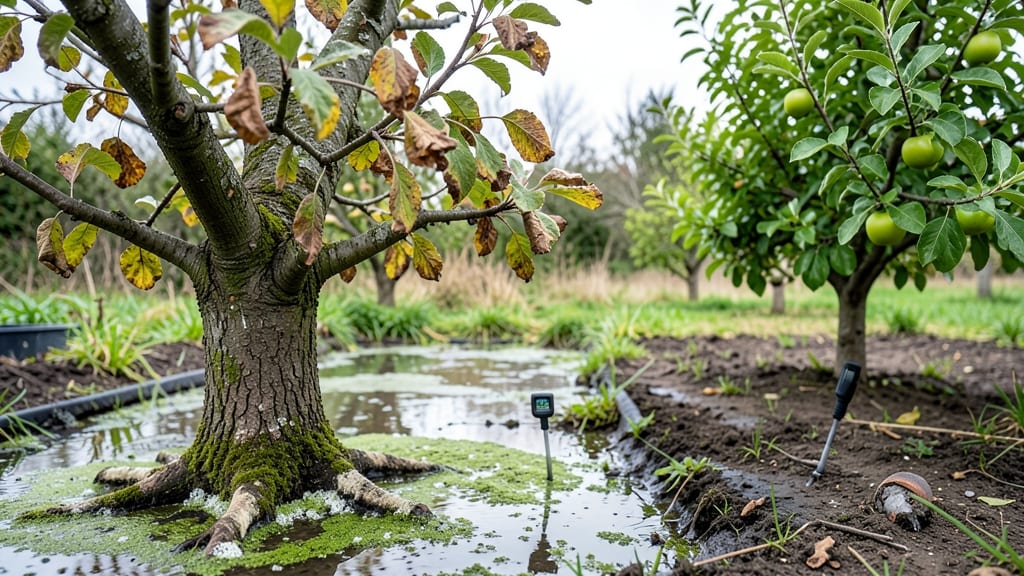
How to tell if your tree is overwatered—those yellow leaves might not signal drought after all. 🌿 I've seen it too often: gardeners thinking their trees need more water when the real problem is too much of a good thing. The signs are subtle but critical, and catching them early can save your tree from root rot or worse.
Start by checking the soil: it should feel slightly damp but not soggy. If the top 2-3 inches stay wet for days, you're overwatering. Look for mushrooms growing at the base (a red flag) or leaves that turn yellow while staying attached—unlike drought stress, which causes browning and leaf drop.
Even the roots tell the story: healthy ones are firm and tan, while mushy, dark roots scream "too much water."
Fixing it is simpler than you think: water only when the top inch of soil feels dry, and improve drainage with organic matter like compost. Prune any dead branches (they won't recover) and consider aerating compacted soil. Within weeks, you'll see new green growth as your tree breathes easier.
This works for any tree—young saplings, mature oaks, or even container-grown specimens. The key is consistency: adjust your watering schedule and monitor soil moisture regularly. Your tree's health depends on it, and the results speak for themselves.
📚 In This Guide
- What you need
- Instructions
- Tips and common mistakes
- Wrapping up and next steps
What you need
- ● Gloves (waterproof or gardening gloves) – Protect your hands from dirt, roots, and potential pests. Size: Medium to large (fits snugly).
- ● Trowel or small hand shovel – For gently lifting soil or roots to inspect moisture levels. Specs: 6–8 inches long, sturdy metal blade.
- ○ Moisture meter (optional but helpful) – A digital soil moisture sensor to measure exact hydration levels. Tip: Look for one with a 0–100% scale for clarity.
- ● Notebook & pen – To jot down observations like leaf color, soil texture, and root condition.
- ○ Watering can or hose with adjustable nozzle – For testing drainage if needed. Optional: A rain gauge to track recent watering.
- ○ Magnifying glass (optional) – Helps spot fungal growth or root rot up close.
- ● Pruning shears (sterilized) – For inspecting mushy or discolored roots (use only if necessary). Specs: Bypass pruners, 5–7 inches.
- ● Know your tree’s species and water needs (e.g., oak vs. willow). Pro tip: 🌡️ Check local climate zones for guidance!
- ● Schedule your inspection on a dry, overcast day to avoid misleading sun glare on leaves.
- ● Wear closed-toe shoes—roots can be sharp!
How to diagnose overwatering in trees: key signs and fixes
Here’s how I spot overwatered trees—and how to save them before it’s too late.
🌿 Step 1: Check the Leaves for Color and Texture
Yellowing leaves are the first red flag. Unlike nutrient deficiencies, overwatered leaves turn uniformly yellow (not just edges) and may feel soft or mushy to the touch. I run my fingers along the undersides—healthy leaves are firm and slightly leathery, while overwatered ones collapse like a soggy sponge.
Look for wilting even when soil feels damp. If leaves droop in the morning but don’t perk up by afternoon, roots aren’t getting oxygen. This is classic overwatering stress. Check the undersides of branches too—black or brown spots can signal fungal issues from excess moisture.
💧 Step 2: Test Soil Moisture and Smell
Stick your finger 2-3 inches deep into the soil. If it’s soggy and clumps together when squeezed, that’s a warning sign. I also press my hand firmly—if water squirts out, the tree’s drowning. Overwatered soil often smells musty or rotten, like wet newspaper left in a trash can.
Grab a handful of soil and squeeze tightly. Healthy soil holds shape but crumbles when released. Overwatered soil stays compacted or forms a hard clump. If it takes more than 30 seconds to break apart, roots are suffocating from lack of air.
☀️ Step 3: Inspect the Bark and Trunk Base
Peel back the top inch of mulch—if it’s wet and moldy, that’s a problem. Healthy mulch stays slightly damp but not soggy. I also check for bark peeling or dark streaks at the trunk’s base, which can indicate rot from prolonged saturation.
Tap the trunk lightly with a stick. A hollow or spongy sound (instead of a solid thud) means internal rot. This is a late-stage sign—if you hear this, the tree may not recover. But if the trunk feels firm and sounds solid, you’ve got time to fix the issue.
✂️ Step 4: Examine the Roots (Carefully!)
Gently dig a small hole 6-12 inches away from the trunk to peek at roots. Healthy roots are white or light tan and firm to the touch. Overwatered roots turn brown, black, or mushy—like overcooked pasta. If they crumble when touched, the tree’s roots are rotting.
Smell the roots too. Foul, sour odors mean anaerobic conditions (no oxygen) from excess water. I once pulled up a root that smelled like a swamp—it was already too late. But if roots still have some firmness, prune the damaged sections and replant with better drainage.
🪴 Step 5: Adjust Watering and Improve Drainage
Stop watering immediately if you’ve spotted multiple signs. Let the soil dry out completely before watering again—this can take 5-7 days depending on your climate. I water trees deeply but infrequently, aiming for 1-2 inches of water per week (including rain).
Add 3-4 inches of organic mulch (like wood chips) around the base, keeping it 6 inches away from the trunk. This helps soil dry evenly. If your tree sits in a low spot where water pools, build a slight berm (a raised mound of soil) around the edges to redirect runoff.
Tips & tricks for diagnosing overwatered trees
Here's what I've learned the hard way about spotting overwatered trees before it's too late.
Leaf Texture Test: In Step 1, when checking leaves, focus on the undersides—they're often the first to show signs. Healthy leaves should feel slightly leathery and spring back when pressed. Overwatered leaves feel limp and may even tear when touched. I've seen leaves that were so saturated they'd collapse entirely when I picked them up, like soggy lettuce.
Soil Squeeze Technique: The soil test in Step 2 is critical—don't just look, actually squeeze! Healthy soil should hold together briefly but crumble easily when released. If it stays compacted like wet clay or takes more than 30 seconds to break apart, that's your warning. I once dug up a tree where the soil smelled like a swamp—it was already too late for that one.
Root Examination Safety: When checking roots in Step 4, be gentle but thorough. Use a small hand trowel to expose just a few roots—no need to dig up the whole tree. Look for the color transition: healthy roots are white or tan, while overwatered ones turn brown or black. I've found that roots with even slight firmness can often recover with proper drainage adjustments.
Watering Adjustment Strategy: The 5-7 day drying period in Step 5 is non-negotiable. Set a reminder if needed—trees need this time to recover. I've seen gardeners water again too soon and watch all their progress disappear. Consider installing a moisture meter near the tree's base to track when the soil reaches the right dryness level.
Pro Tips for Tell If Tree Is Overwatered
- Here's what I've learned the hard way about spotting overwatered trees before it's too late.
- Leaf Texture Test: In Step 1, when checking leaves, focus on the undersides—they're often the first to show signs.
- Soil Squeeze Technique: The soil test in Step 2 is critical—don't just look, actually squeeze!
Frequently asked questions
Got questions about overwatering your trees? You’re not alone! Here are some of the most common concerns—and their answers—to help you keep your greenery thriving.
How often should I water my tree to avoid overwatering?
Watering frequency depends on your tree’s type, soil, and climate. As a general rule, deep watering 1-2 times per week (or less in rainy seasons) is better than light, frequent watering. Stick your finger 2-3 inches into the soil—if it’s damp, wait before watering again. Pro tip: Mature trees often need less water than young saplings!
Why do mushrooms or fungus grow near my tree after overwatering?
Mushrooms and fungal growth are classic signs of excess moisture in the soil. These organisms thrive in waterlogged conditions, breaking down organic matter. While they’re not harmful to the tree itself, they indicate poor drainage. Improve aeration by amending soil with compost or installing drainage solutions.
Can overwatered trees recover, or is it too late?
Recovery is possible if you catch the issue early! Trim any yellowed or mushy leaves, adjust your watering schedule, and ensure the soil drains properly. For severely damaged roots, consult an arborist. With time and care, many trees bounce back—just don’t drown them again!
What’s the best way to fix overwatered soil?
Start by reducing watering immediately and let the soil dry out. Improve drainage by adding organic matter (like mulch or compost) or creating small trenches around the tree’s base. If the area stays soggy, consider raising the soil level slightly or installing a French drain.
Are there trees that are more prone to overwatering?
Yes! Trees with shallow root systems (like willows or maples) or those planted in clay-heavy soil are especially vulnerable. Always research your tree’s specific needs—some, like oaks or pines, prefer drier conditions. When in doubt, less water is better than too much!
Wrapping up and next steps
Spotting the signs of an overwatered tree—like yellowing leaves, mushy roots, or fungal growth—can save your green friend before it’s too late! 🌱 By adjusting your watering habits and improving drainage, you’ll help your tree thrive. Start small: test soil moisture, trim damaged roots, and give your tree the right balance of care.
With a little attention, your tree will reward you with lush, healthy growth for years to come!