
Trees
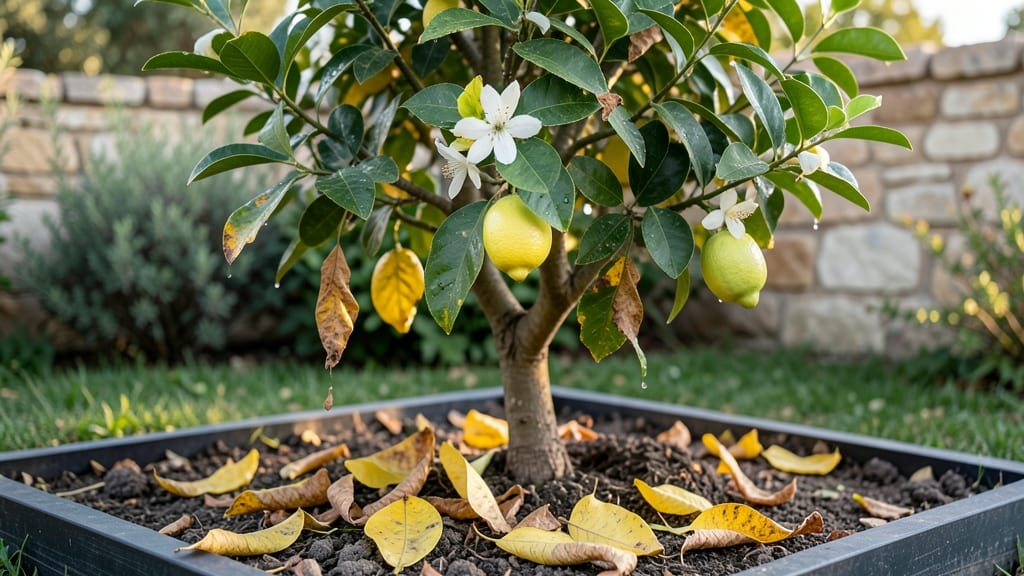
Your lemon tree dropping leaves isn’t a death sentence—it’s a cry for help. 🌿 I’ve nursed back more than my share of leaf-shedding citrus trees, and the fix always starts with understanding why it’s happening in the first place.
Whether it’s overzealous watering, hidden pests, or a sudden chill, most cases are reversible with the right adjustments.
Here’s the thing—lemon trees should be evergreen, so when they start losing leaves, it’s usually one of three things: water stress (too much or too little), nutrient hunger (especially nitrogen or magnesium), or environmental shocks (like drafts or temperature swings).
I’ve seen trees bounce back in as little as 2-3 weeks once the root cause is addressed.
You’ll end up with a thicker, greener canopy than before by tackling the issue methodically. Start by checking the soil moisture with your finger—it’s the simplest diagnostic tool—and adjust your watering routine. Then, inspect the leaves for pests or signs of deficiency, and protect your tree from extreme conditions.
This works for both container-grown lemon trees and those planted in the ground, and the same principles apply whether you’re in a mild climate or dealing with seasonal swings. Let’s get your tree back to its lush, productive self—before the next leaf hits the ground.
Understanding Root Causes Behind Leaf Drop
If your lemon tree is shedding leaves unexpectedly, it’s often a cry for help—whether from environmental stress, poor care, or underlying health issues. Below, we break down the key triggers behind premature leaf loss, so you can diagnose the problem like a citrus-care pro. 🌿🔍
Lemon trees (Citrus × limon) thrive in stable conditions, and sudden shifts in their environment can send them into survival mode—dropping leaves to conserve energy. Here’s what’s likely disrupting their balance:
- Temperature extremes:
Lemon trees prefer 60–85°F (15–30°C) year-round. Below 50°F (10°C) or above 95°F (35°C) can shock the tree, causing chlorosis (yellowing) and leaf drop. Frost is especially deadly—even a light freeze can kill branches overnight. 🌡️❄️
- Wind and sunburn:
Direct, scorching afternoon sun (especially in hot climates) or drying winds can desiccate leaves, making them crisp and fall off. Young trees or those in container gardens are most vulnerable. 🌞💨
- Drought or overwatering:
Both extremes disrupt the tree’s water uptake. Drought stress triggers leaf abscission (natural shedding) to reduce water loss, while waterlogged roots suffocate the tree, cutting off nutrient flow. Check soil moisture 2 inches deep—it should feel like a damp sponge, not bone-dry or soggy. 💧🌱
💡 Pro Tip: Move potted lemon trees to a shaded, sheltered spot during heatwaves or cold snaps. Use mulch to regulate soil temperature and retain moisture.
A lemon tree with malnourishment will drop leaves to prioritize survival over fruit production. The most common deficiencies include:
| Nutrient | Symptoms | Solution |
|---|---|---|
| Nitrogen (N) | Yellowing older leaves (starting at the base), stunted growth. | Apply a balanced citrus fertilizer (e.g., 6-6-6 or 8-3-9) every 4–6 weeks in growing season. |
| Potassium (K) | Yellowing edges of leaves ("scorching"), weak stems, poor fruit set. | Use a potassium-rich fertilizer (like 0-0-50) or wood ash (sparingly). |
| Magnesium (Mg) | Yellow veins with green patches between (interveinal chlorosis). | Apply Epsom salt (1 tbsp/gallon of water) every 2 weeks until symptoms improve. |
| Iron (Fe) | Pale yellow new leaves (youngest growth first). | Use an iron chelate or acidify soil (pH 6.0–7.0) with sulfur or pine needles. |
⚠️ Warning: Avoid over-fertilizing—excess salts (from synthetic fertilizers) can burn roots and worsen leaf drop. Always water thoroughly after fertilizing.
Sap-sucking pests and fungal infections drain your tree’s energy, forcing it to shed leaves as a defense mechanism. Watch for these culprits:
- Spider mites:
Tiny, web-spinning pests that pierce leaves, causing stippling (white/yellow dots) and premature drop. They thrive in dry, dusty conditions. 🕷️🌿
- Aphids and scale insects:
Cluster on new growth, sucking sap and excreting sticky honeydew (attracts sooty mold). Leaves may curl, yellow, and fall. 🐜🍯
- Root rot (Fusarium/Phytophthora):
Caused by overwatering or poor drainage, this fungal infection blocks nutrient uptake, leading to wilting and leaf drop. Infected roots turn brown/mushy. 🍄💀
- Citrus canker (Xanthomonas):
A bacterial disease causing raised, oily lesions on leaves. Infected leaves drop within weeks. Spreads via wind and tools. 🦠🌪️
🔥 Quick Fix: Spray infested areas with neem oil (1 tsp/L water) or insecticidal soap. For root rot, prune affected roots and repot in sterile, well-draining soil.
Lemon trees have delicate root systems, and disturbing them—whether through replanting, repotting, or root pruning—can trigger stress responses, including leaf drop. Here’s why it happens:
- Root disturbance:
When roots are cut or compacted (e.g., during transplanting), the tree loses access to water/nutrients, causing abscission (leaf shedding) to reduce water loss. 🌱✂️
- Pot-bound roots:
If a potted lemon tree is root-bound (circling roots), it strangles itself, limiting growth and leading to leaf drop. Check for roots circling the pot’s edge or poking through drainage holes. 🏺🌀
- Improper repotting:
Using heavy or poorly draining soil, or not pruning roots before repotting, can suffocate the tree. Always trim 1/3 of roots and use fast-draining citrus mix. 🪴🔄
🎯 Solution: Repot in spring (active growth phase) using a container 2–4 inches larger than the current one. Add perlite or sand to improve drainage.
Now that you’ve identified the likely cause, the next
Revive Your Lemon Tree’s Health
If your lemon tree is shedding leaves, don’t panic—most issues are fixable with the right care! Below are targeted solutions for common causes, paired with easy steps to restore your tree’s vibrant foliage. Prevention tips are included to keep your lemon tree thriving long-term.
If the soil stays soggy or roots sit in water, they suffocate, causing leaf drop. Here’s how to correct it:
- 🔥 Stop Watering Immediately – Let the top 2–3 inches of soil dry out before watering again. - 🍳 Improve Drainage – Mix in perlite, sand, or compost to aerate heavy soil.
Ensure pots have drainage holes. - 👨🍳 Repot if Needed – If roots are rotting, trim affected areas with sterilized shears and repot in fresh, well-draining soil. - ⏰ Adjust Watering Schedule – Water deeply but infrequently (every 7–10 days in summer, less in winter).
💡 Pro Tip: Stick your finger in the soil—if it’s damp past 2 inches, hold off on watering!
Dry soil or scorching sun can shock your lemon tree, leading to leaf loss. Rehydrate and protect it:
- 🥘 Water Thoroughly – Soak the root zone until water drains from the bottom.
Repeat every 5–7 days in hot weather. - 🌿 Mulch the Base – Spread 2–3 inches of organic mulch (straw or wood chips) to retain moisture and cool roots. - 🌞 Provide Shade – Move potted trees to partial shade (4–6 hours of morning sun) during extreme heat. - 🎯 Mist Leaves – Lightly mist foliage in the morning to combat dry air (avoid evening misting to prevent fungal issues).
✨ Prevention: Group lemon trees with other plants to create a microclimate that retains humidity.
Yellowing, curling, or spotted leaves often signal pests (aphids, spider mites) or fungal diseases (root rot, powdery mildew). Act fast:
| Issue | Solution |
|---|---|
| Aphids/Spider Mites | Spray leaves with neem oil (1 tsp per quart of water) or insecticidal soap. Repeat weekly. |
| Powdery Mildew | Prune infected leaves, then spray with a baking soda mix (1 tsp baking soda + 1 quart water + a drop of dish soap). |
| Root Rot | Remove the tree from wet soil, trim blackened roots, and repot in fresh, sterile potting mix. |
💡 Pro Tip: Inspect leaves daily during outbreaks—early action prevents spread!
Yellowing leaves (especially between veins) or stunted growth may mean your tree lacks key nutrients. Fix it with:
- 📊 Fertilize Properly – Use a citrus-specific fertilizer (high in nitrogen, phosphorus, and potassium) every 4–6 weeks in growing season (spring–fall).
Dilute to half-strength for young trees. - 🥗 Boost Micronutrients – Add epsom salt (1 tbsp per gallon of water) monthly for magnesium, or use a chelated iron supplement for yellowing new leaves. - 🍎 Avoid Over-Fertilizing – Too much fertilizer burns roots.
Flush soil with water monthly to prevent buildup.
🌡️ Seasonal Note: Reduce fertilization in winter—lemon trees rest and need less food.
Newly planted trees or those moved to harsher conditions may shed leaves temporarily. Help them recover:
- 🔪 Prune Damaged Leaves – Trim yellow or wilted leaves to redirect energy to healthy growth.
- 🌿 Acclimate Gradually – If moving outdoors, harden off the tree by exposing it to sunlight incrementally over 1–2 weeks.
- 🌡️ Protect from Drafts – Keep potted trees away from cold winds or sudden temperature swings (e.g., near AC vents or open windows).
✨ Long-Term Tip: Lemon trees thrive in consistency—avoid frequent relocations or drastic changes.
With these fixes, your lemon tree should bounce back in 4–8 weeks. Monitor its progress and adjust care as needed. A healthy tree rewards you with lush foliage and sweet lemons!
Frequently asked questions
Is it normal for lemon trees to shed leaves in winter?
Lemon trees are evergreen, so some leaf drop in winter is normal due to cooler temperatures and reduced growth. However, if you're seeing more than 10-15% of leaves falling or new growth is affected, it's likely a sign of stress from drought, pests, or poor drainage. Check soil moisture and adjust care accordingly.
How can I tell if my lemon tree is overwatered vs. underwatered?
Overwatered trees show yellowing leaves, mushy stems, and roots that smell foul, while underwatered trees have brown, crispy leaf edges and soil that pulls away from pot sides. Stick your finger 2 inches deep—if it's damp, you're overwatering; if dry, it's time to water.
What's the fastest way to stop leaf drop from spider mites?
Start with a neem oil spray (1 tsp per quart of water) applied every 5-7 days until the infestation clears. For severe cases, use insecticidal soap and isolate the tree to prevent spread. Wipe leaves with a damp cloth to remove webbing and eggs.
Can I save my lemon tree if it's completely bare?
Even a bare lemon tree can recover if the roots are healthy! Focus on reviving root health with proper drainage and balanced fertilization (nitrogen-heavy in spring). Protect it from temperature swings and watch for new growth—this can take 4-8 weeks. Patience is key!
Why are my lemon tree's new leaves yellow?
Yellow new leaves usually indicate an iron deficiency (chlorosis) or over-fertilization. Try applying chelated iron or Epsom salt (1 tbsp/gallon) and flush the soil to remove excess salts. Test soil pH—lemon trees prefer 6.0-7.0.