
Pruning
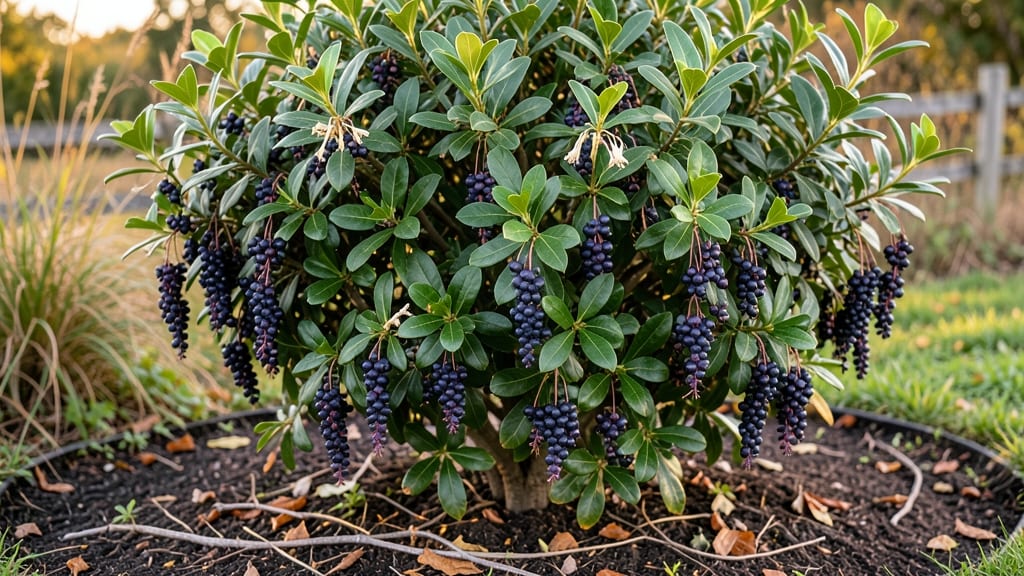
Ligustrum tree berries are toxic to pets and humans, containing ligustrine and saponins that can cause vomiting, diarrhea, and lethargy. Avoid ingestion and remove fallen berries promptly to protect animals and children.
Ligustrum berries pose serious risks because their toxic compounds—ligustrine and saponins—disrupt digestive systems and can lead to more severe reactions in pets, especially dogs. 🐾 While humans may experience mild stomach upset, dogs are far more vulnerable due to their smaller size and faster metabolism.
The berries' glossy appearance can also tempt curious pets, making quick removal from yards critical. I've seen cases where even small amounts caused drooling and weakness in pets within hours, so prevention is your best defense.
For gardeners, the key is timing: prune ligustrum trees in late winter or early spring before berries form, and always wear gloves when handling branches. If you're concerned about privacy hedges, consider non-toxic alternatives like arborvitae or boxwood, which offer similar landscaping benefits without the danger.
The good news? Ligustrum's toxicity doesn't affect its ornamental value—it's still a popular choice for hedges, just one that requires extra caution.
💡 In This Article
- Toxic Compounds in Ligustrum Berries and Their Effects
- Safely Removing Ligustrum Berries from Your Yard
Toxic compounds in ligustrum berries and their effects
The ligustrum tree's berries contain two primary toxins: ligustrine and saponins. Ligustrine acts as a cardiac glycoside, disrupting the normal electrical signals in your heart and nervous system. Saponins, meanwhile, create soapy compounds that irritate the digestive tract lining.
Together, they create a dangerous combination that explains why even small amounts can cause serious reactions. The berries' dark purple-black color and glossy surface make them visually appealing to pets and children, but their chemical makeup is anything but safe.
In dogs, which are particularly vulnerable, symptoms typically appear within 2-6 hours of ingestion and include excessive drooling, vomiting, diarrhea, and lethargy. Larger quantities can lead to more severe neurological effects like tremors or seizures.
Humans may experience similar gastrointestinal distress but usually recover without long-term damage unless they consume very large amounts. The key difference lies in body weight and metabolism—dogs process toxins faster due to their smaller size, making them far more susceptible to poisoning.
For example, a 10-pound dog might show symptoms after eating just 5-10 berries, while a human would likely need to consume dozens before feeling ill.
The severity of symptoms depends on how much is ingested and the individual's size. Ligustrine's cardiac effects can be particularly dangerous in pets, as their smaller hearts are more sensitive to disruptions in electrical signaling.
Saponins, on the other hand, create mechanical irritation in the digestive tract, leading to inflammation and fluid loss. This dual mechanism explains why affected animals often show both gastrointestinal and neurological symptoms simultaneously.
For instance, a dog might vomit repeatedly while also displaying weakness or confusion—a clear sign the toxins are affecting multiple body systems.
What makes ligustrum berries especially concerning is their persistence. Once ripe, they remain on the tree for weeks, creating a continuous hazard. The berries' high moisture content also makes them appealing to birds, which can spread seeds and toxins throughout your yard.
If you have pets, even a single fallen berry can become a risk factor. The best approach is prevention: remove berries as soon as they appear and consider pet-proofing your landscaping by installing barriers or choosing safer plants.
For example, replacing ligustrum with arborvitae or boxwood provides similar privacy benefits without the toxicity.
If ingestion occurs, immediate action is critical. Induce vomiting (with vet approval) and contact a poison control center or emergency vet. Ligustrine's effects on the heart require professional monitoring, while saponins' digestive irritation can lead to dehydration if left untreated.
The faster you respond, the better the outcome—this is why many vets recommend keeping ligustrum trees out of homes with pets or young children. The good news is that ligustrum's toxicity doesn't diminish its ornamental value, but the risks make it a plant best enjoyed from a safe distance. 🌿