
Pruning
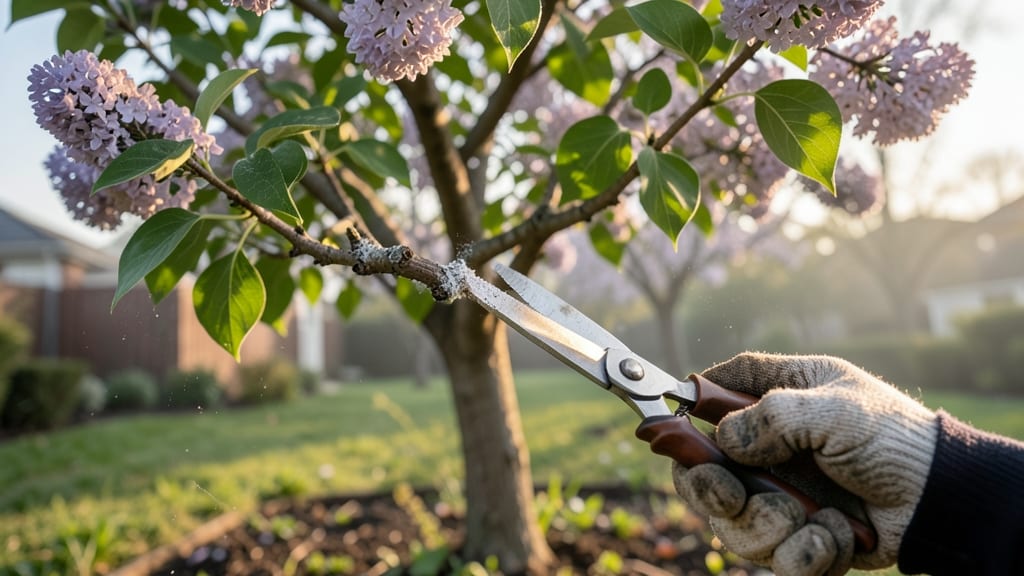
Revitalize your lilac tree with these expert-approved sprouting techniques. Discover how strategic pruning year-round can transform sparse blooms into lush, vibrant displays that last for decades.
Early Spring Flush Cutting Method
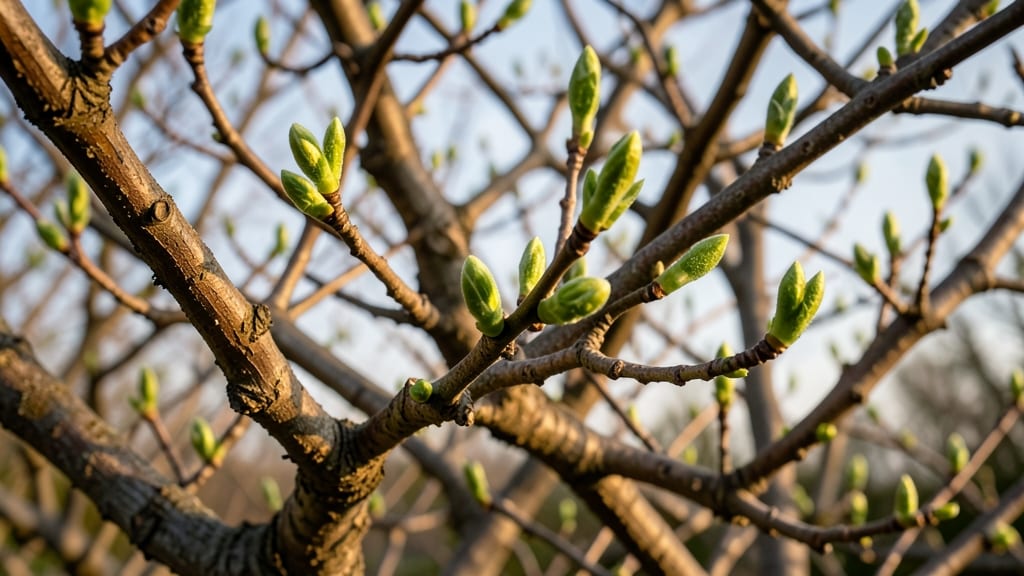
Notice those tiny green buds forming on your mature lilac branches? That’s your cue to try the early spring flush cutting method—a game-changer for lilacs that bloom weakly or sporadically. This technique removes up to one-third of the oldest wood before buds swell, redirecting energy to younger, more productive stems.
Time it right: prune when buds are still peanut-sized (March–April, after the last frost). Use clean, sharp pruners to make 45-degree cuts just above outward-facing buds. Avoid cutting into old wood—focus on branches that haven’t bloomed well in years. The result? A burst of fresh, vigorous growth that translates to bigger, more abundant blooms next season.
This method is perfect for overlooked lilacs in urban landscapes or gardens where pruning has been neglected. It’s also ideal for gardeners who want to revitalize their trees without drastic surgery. Give it a try—your lilac will thank you with a showstopping spring display. ✨
Summer Thinning for Airflow Improvement

If your lilac tree looks like a jungle of tangled branches, summer thinning isn’t just about aesthetics—it’s a fungal disease prevention strategy. Humid climates turn dense foliage into a breeding ground for leaf spots and powdery mildew, but strategic pruning creates airflow that keeps your tree healthy.
Focus on removing crossing or inward-growing branches first, then thin out crowded areas to let sunlight reach the center. Aim to reduce the canopy by about 20-30%—this improves airflow without shocking the tree. Use sharp pruners to make clean cuts just above outward-facing buds, and always sterilize your tools between cuts to prevent spreading disease.
This method works best for mature lilacs in their peak growth phase (June-August), giving them a fighting chance against summer moisture. Gardeners in southern states or near lakes will see the biggest benefits—healthier foliage means more blooms next spring. ✨
Fall Deadheading Technique

Your lilac tree’s late-season blooms are a treasure, but they need a little autumn TLC to shine next year. Fall deadheading—removing spent flowers before they form seeds—is the secret to prolonging blooming periods and ensuring your lilac puts energy into next spring’s flowers instead of seed production.
Timing is key: deadhead after the first frost but before hard freezes, when flowers have faded but leaves remain green. Use clean, sharp pruners to snip stems just above a leaf node or bud, keeping cuts at a 45-degree angle to prevent water pooling. This technique works especially well for late-blooming varieties like 'Miss Kim' or 'Dwarf Korean,' which often need extra care to recover before winter.
This method isn’t just for show—it’s a winter prep essential that strengthens your lilac’s resilience. Gardeners in cooler climates will see the biggest benefits, as it helps the tree store energy efficiently for spring. Give your lilac this small autumn favor, and you’ll reward it with years of abundant blooms. ✨
Winter Dormant Season Renewal Pruning
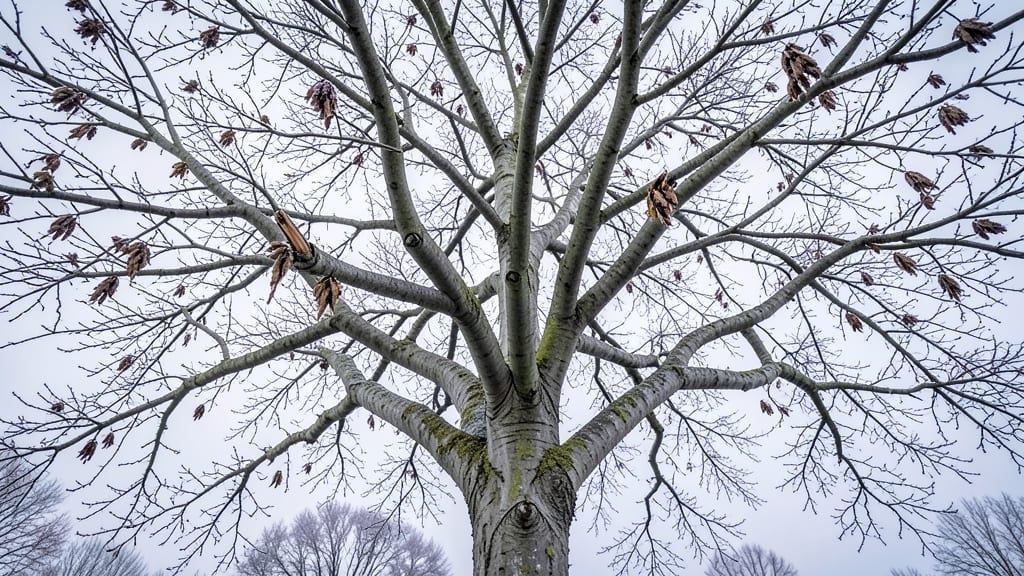
When frigid winds leave your lilac tree looking like a skeletal winter wonderland, winter dormant season pruning is your chance to reset its structure—and prevent future heartbreak. This is the perfect time to remove branches damaged by ice, snow, or disease, as the tree’s dormant state means less stress from bleeding sap.
Focus on cutting out dead, diseased, or crossing branches first, then shape the tree by removing up to one-third of the oldest wood to encourage new growth. Use clean, sharp pruners to make 45-degree cuts just outside the branch collar, and avoid over-pruning—your goal is renewal, not drastic transformation. Northern gardeners will love this method for restoring lilacs that struggle with harsh winters.
This technique is especially valuable for mature lilacs in cold climates, where winter damage often goes unnoticed until spring. By pruning now, you’re setting the stage for stronger sprouts and more abundant blooms next season. 🌿
Root Pruning for New Sprout Stimulation
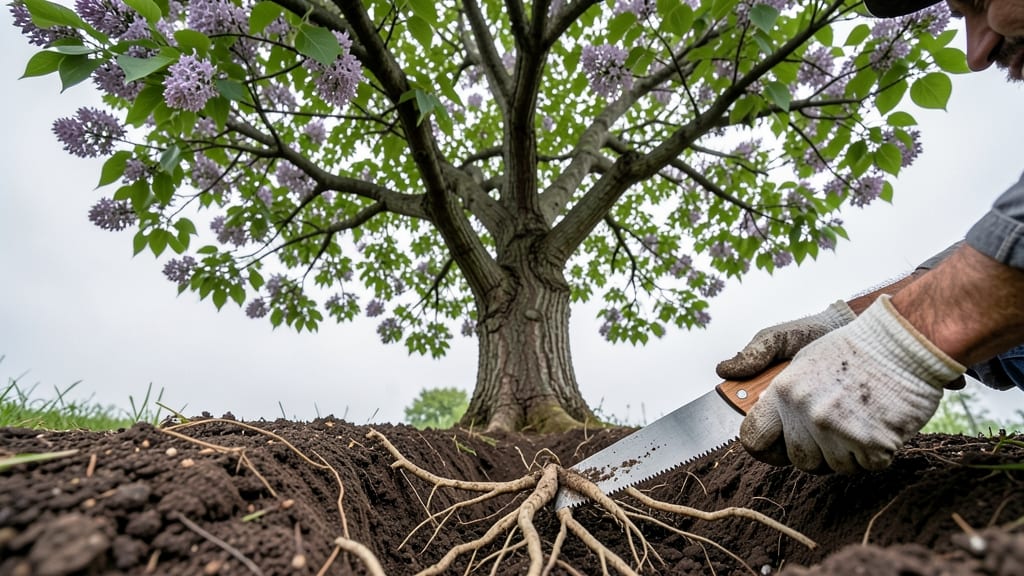
If your established lilac tree has sparse sprouts despite healthy-looking foliage, the issue might be underground. Compacted soil restricts root growth, which directly limits new shoot development—even when you're pruning branches above.
Root pruning solves this by carefully trimming roots in a 12-inch-wide trench around the tree's drip line (the edge of the canopy) during late winter or early spring. This stimulates the plant to grow new, more vigorous roots in the loosened soil, which then supports stronger above-ground sprouts. Use a sharp spade to make clean cuts about 6 inches deep, then backfill with compost or well-draining soil mix.
This technique is especially valuable for gardeners in urban areas with heavily compacted soil or those dealing with mature lilacs that haven't been transplanted. The result? More robust new growth and better resistance to stress from drought or heat. 💪
Selective Branch Removal Strategy

Noticed some branches on your multi-stem lilac barely producing flowers while others explode with blooms? This targeted approach helps you fix that imbalance by focusing pruning efforts where they matter most.
Start by identifying the underperforming branches—those with sparse foliage, few blooms, or signs of stress. Remove them completely at the base, redirecting the tree’s energy to stronger stems. For branches with partial issues, cut back only the damaged sections, leaving healthy growth intact. Time this pruning in late winter or early spring, just before new growth begins, to maximize recovery.
This method works wonders for overgrown lilacs or trees with uneven growth patterns, giving you a more balanced, flowering-focused tree with less effort. It’s especially helpful for gardeners with limited time who want to prioritize their best blooms. 🌻
Layering Technique for New Plants
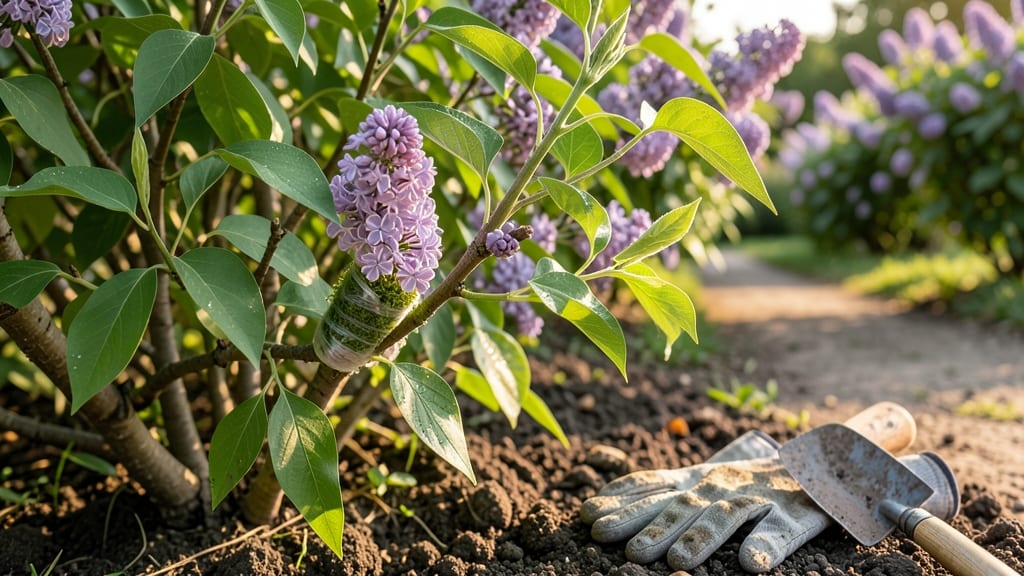
Want to multiply your favorite lilac varieties without buying new plants? The layering technique lets you create genetically identical clones from existing branches—perfect for rare cultivars or sentimental heirlooms.
Start in late spring or early summer when new growth is about 6-12 inches long. Bend a healthy branch downward, make a small slit in the bark, and secure it to the soil with a U-shaped wire or rock. Keep the soil moist until roots form (typically 4-8 weeks). Once rooted, sever the connection and transplant the new plant.
This method is ideal for gardeners who love unique lilacs but want to avoid the cost or uncertainty of purchasing new stock. It’s also beginner-friendly and works well in containers or garden beds. 🌿
Graft Union Pruning for Hybrid Varieties
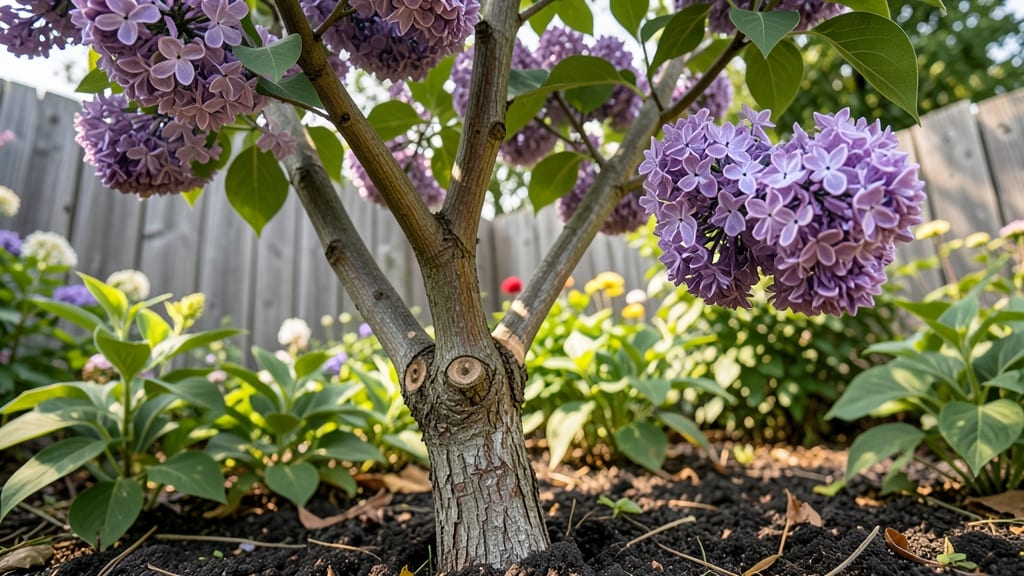
If you’ve invested in a grafted hybrid lilac—like the prized 'Katherine Haviland' or 'Mme. Lemoine'—you know those stunning blooms and fragrance come at a premium. The secret to keeping those unique traits intact lies in protecting the graft union, the critical junction where the desirable scion meets the hardy rootstock.
When pruning grafted varieties, never cut below the swollen graft union (the bump where the two parts join). Use clean, sharp shears to remove only dead or crossing branches above this area, ensuring the scion’s genetic code remains unaltered. Avoid heavy pruning here—focus on shaping branches above the union to maintain vigor while preserving the hybrid’s signature characteristics.
This technique is a must for collectors and nurseries growing heirloom or patented varieties, as improper cuts can lead to "reversion," where the plant reverts to the rootstock’s inferior traits. With proper care, your grafted lilac will reward you with year-round reliability and show-stopping blooms. ✨
Post-Bloom Rejuvenation Cutting

If your lilac tree looks like a tangled mess of overgrown branches after years of neglect, post-bloom rejuvenation cutting is your secret weapon. This dramatic pruning technique removes up to one-third of the oldest wood immediately after flowering, forcing the tree to redirect energy into fresh, vigorous growth.
Start by identifying the thickest, oldest branches—these are the ones that have stopped producing strong blooms. Cut them back to a healthy side branch or bud using clean, sharp pruners. Avoid removing more than one-third of the canopy at once to prevent stress. This method works best in late spring or early summer, right after the lilac's peak bloom, when new growth is already underway.
This technique is ideal for gardeners with mature lilacs that have become unruly over time. By removing the oldest wood, you'll encourage a more compact, bushier shape with stronger blooms in future seasons. Your lilac will thank you with renewed vitality! 🌻
Disease-Resistant Sprout Encouragement

If your lilac tree is battling powdery mildew or other fungal threats, don’t panic—targeted pruning can save both the branches and your blooms. The key is removing only the infected sections early, before the disease spreads to healthy growth. This surgical approach stops fungal spores from hitchhiking to new sprouts while preserving the tree’s overall vigor.
Start by cutting out entire branches showing white powdery patches or blackened stems, using sterilized pruners to avoid cross-contamination. Focus on the outer canopy where airflow is poorest—this breaks the disease cycle while letting sunlight reach the center. After pruning, dispose of infected branches in the trash (not compost) and apply a copper fungicide to nearby foliage for extra protection.
This method is a game-changer for gardeners in humid regions or areas with high lilac susceptibility. By acting fast, you’ll encourage fresh, disease-free sprouts while keeping your tree’s energy focused on blooming—not fighting infections. 🌟