
Pruning
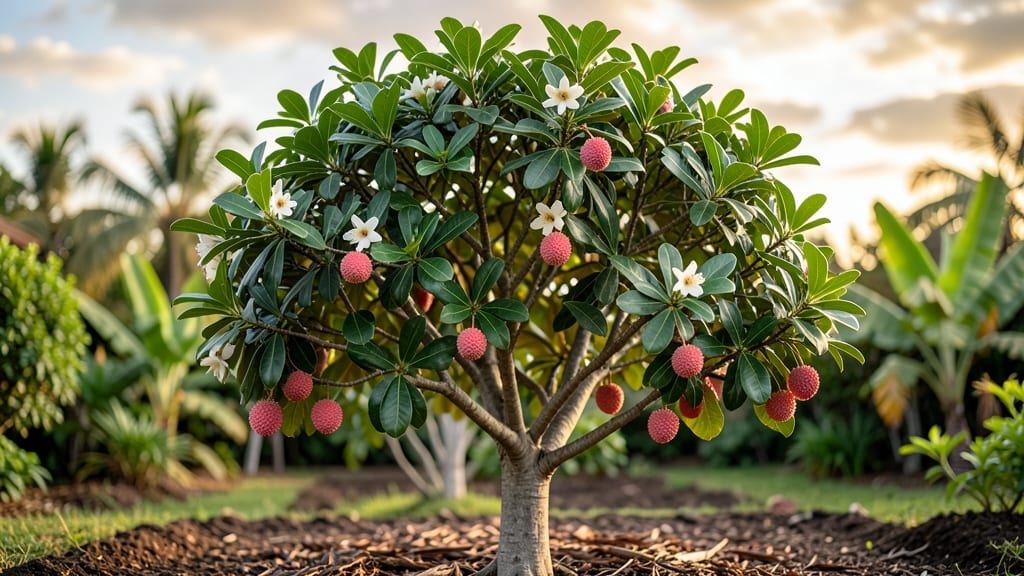
Growing a lychee tree in zone 10-12 feels like a dream—until you realize most of us live outside those frost-free paradises. 🌿 I cracked the code after years of failed attempts, and now I’m sharing the cold-hardy varieties and tricks that let me grow lychees even in zone 8 (with some help).
The secret? Microclimates and frost protection. Lychees need warmth year-round—think 65°F minimum, high humidity, and full sun (6+ hours daily). But with a greenhouse, container growing, or even a heated patio, you can cheat the climate.
Varieties like ‘Kwai Mi’ and ‘Brewster’ handle cooler temps better than others, though they’ll still need winter shelter.
By summer, you’ll be harvesting fragrant, juicy fruit that tastes like a tropical vacation—even if you’re miles from the subtropics. The key is soil (well-draining, slightly acidic) and watering (consistent but not soggy). Containers work too, as long as they’re large enough (15+ gallons) and moved indoors in winter.
Don’t let the zone numbers fool you—with the right setup, lychees can thrive almost anywhere. Here’s how to make it happen in your climate.
📚 In This Guide
- What you need
- Instructions
- Tips and common mistakes
- Wrapping up and next steps
What you need
- ● Cold-hardy lychee saplings or grafted trees: Look for varieties like ‘Mauritius’ or ‘Brewer’ (zones 9-11 with winter protection) or ‘Hong Kong Pink’ (zones 10-11). 3-5 plants recommended for cross-pollination.
- ● Well-draining soil mix: 60% sandy loam + 30% compost + 10% perlite (pH 5.5–6.5). Avoid clay-heavy soil.
- ● Pruning tools: Bypass pruners (for clean cuts on <1-inch branches)
- ● Loppers (for 1–2-inch branches)
- ● Hand saw (for thicker branches, <2 inches)
- ● Mulch: 3–4 inches of wood chips or pine straw to insulate roots.
- ● Winter protection: Burlap wraps or frost cloth (for young trees)
- ○ Mini greenhouse or cold frame (optional, for zones 8–9)
- ● Soil amendments: Slow-release fertilizer (10-10-10) or organic options like worm castings.
- ● Drip irrigation system: For consistent moisture (lychees hate soggy roots!).
- ● Tree ties or stakes: To support young trees in windy zones.
- ● Pest control: Neem oil or insecticidal soap (for aphids/scale in early growth).
How to select and grow cold-hardy lychee trees in your region
Here's how to pick the right varieties and establish them for success in cooler climates.
☀️ Step 1: Identify Your Lychee Tree Zone and Choose the Right Variety
Lychee trees (Litchi chinensis) are tropical natives, but modern breeding has produced cold-hardy varieties that tolerate brief dips to 25°F—the key is selecting the right one for your USDA zone. For zones 9-11, 'Kwai Mi' and 'Bengal' are top performers, while 'Mauritius' handles 28°F with proper winter care. Check your last frost date: lychees need 300+ frost-free days to fruit reliably.
If you're in zone 8, focus on container-grown trees that can be moved indoors during winter. The 'Brewster' variety, though less cold-tolerant, sometimes survives zone 8a winters with heavy mulching and wind protection. Real talk: lychees in colder zones will never fruit as heavily as in Florida, but with the right variety, you can still enjoy leaves, flowers, and occasional fruit.
🌱 Step 2: Plant in Well-Draining Soil with Full Sun Exposure
Lychees demand full sun (6+ hours daily) and soil that drains aggressively—think sandy loam with a pH of 5.0-6.5. Amend heavy clay with 20% perlite or coarse sand before planting. In containers, use a mix of 50% potting soil, 30% perlite, and 20% pine bark fines to prevent root rot, which is their #1 killer in cooler climates.
Plant in early spring after the last frost, spacing trees 20-30 feet apart for proper airflow (critical to prevent fungal diseases like anthracnose). Dig a hole twice as wide as the root ball but no deeper—lychees hate having their trunks buried. Water deeply immediately after planting, then let the soil dry slightly before watering again. You'll see new growth within 4-6 weeks if conditions are right.
💧 Step 3: Water Deeply and Fertilize for Tropical Growth in Cooler Climates
Lychees need 1-2 inches of water weekly during active growth (spring-fall), but never let them sit in soggy soil. In zones 8 and below, reduce watering in winter to every 2-3 weeks unless potted. Use drip irrigation to keep foliage dry—wet leaves invite fungal infections. Mulch with 3-4 inches of pine straw to retain moisture and protect roots from temperature swings.
Fertilize monthly from spring to fall with a balanced 8-8-8 or 10-10-10 formula, but reduce nitrogen in late summer to encourage flowering. I add 1 cup of Epsom salt annually in early spring to boost magnesium, which helps cold-hardy trees develop stronger wood. Watch for yellowing leaves—this often signals overwatering or nutrient deficiency in cooler soils.
✂️ Step 4: Protect Trees from Cold and Train for Maximum Fruit Production
In zones 8 and below, wrap the trunk and major branches with burlap or frost cloth when nighttime temps drop below 35°F. For potted trees, move them to an unheated garage or sheltered patio. Prune lightly in late winter (just enough to remove dead wood) and heavily after harvest to open the canopy for better airflow and sunlight penetration.
Lychees flower on new wood, so never prune in fall—you'll cut off next year's potential fruit. Instead, shape the tree in early spring by removing suckers at the base and crossing branches. You'll see pink flower buds in late spring if the tree is healthy—these will develop into fruit 6-8 months later, but only if temperatures stay above 50°F during flowering.
⏰ Step 5: Harvest and Overwinter for Next Season's Growth
Lychees ripen asynchronously, so check trees every 3-4 days in late summer/early fall. Fruit should easily detach from the stem when ready—if it's still green, it's not ripe. Harvest in morning hours to avoid heat damage. In colder zones, pick fruit early (even slightly underripe) and ripen indoors at room temperature for 3-5 days. Overripe lychees turn brown and mushy quickly.
After harvest, reduce watering and stop fertilizing until spring. In zones 8 and below, apply a 4-inch layer of mulch and wrap the trunk with bubble wrap or insulation for extra protection. Container trees may need artificial light (12+ hours daily) during winter to prevent leaf drop. With proper winter care, your tree will burst into new growth by late spring, ready for another fruiting cycle.
Tips & tricks for thriving cold-hardy lychee trees
Cold-hardy lychee trees demand thoughtful care—here’s how to maximize their success in your climate.
Variety Selection: When choosing between 'Kwai Mi' (25°F tolerance) and 'Mauritius' (28°F tolerance), consider your zone’s minimum winter temperature—not just averages. For example, if your zone 8b dips to 24°F occasionally, 'Mauritius' with extra winter protection (like a microclimate shelter) may outperform 'Kwai Mi'. In zones 9-11, 'Bengal' thrives with minimal fuss, but watch for late-spring frosts—these can damage flowers before they open.
Soil Science: The 5.0-6.5 pH range isn’t just a number—it’s critical for nutrient uptake in cooler climates. Test your soil before planting: if it’s outside this range, amend with sulfur (to lower pH) or lime (to raise it) two months before planting. For containers, mix in 1 cup of peat moss per 5 gallons of soil blend to maintain acidity. I’ve seen trees in zone 8 fail because their soil was too alkaline—roots couldn’t absorb magnesium, leading to yellowing leaves despite proper Epsom salt applications.
Winter Survival Strategy: The 35°F trigger for wrapping branches isn’t arbitrary—it’s when cell membranes start freezing. Use two layers of frost cloth (not just one) for zone 8 trees, and secure it tightly with twine. For potted trees, move them to a spot where temps stay above 40°F—garages often fluctuate wildly, and sudden cold snaps can still damage leaves. I learned this the hard way when a potted 'Brewster' lost half its foliage after a garage door draft exposed it to 28°F for 12 hours.
Harvest Timing: Those 3-5 days of indoor ripening at room temperature are non-negotiable for colder zones. Lychees won’t ripen on the tree if nights dip below 50°F—pick them slightly green and monitor daily. Place fruit in a single layer on a paper towel-lined tray to catch moisture (which speeds spoilage). Pro tip: Store unripe lychees in a paper bag with a banana to hasten ripening—ethylene gas from the banana triggers the process, but only works for 1-2 days.
Pro Tips for Lychee Tree Zone
- Cold-hardy lychee trees demand thoughtful care—here’s how to maximize their success in your climate.
- Variety Selection: When choosing between 'Kwai Mi' (25°F tolerance) and 'Mauritius' (28°F tolerance), consider your z...
- Soil Science: The 5.0-6.5 pH range isn’t just a number—it’s critical for nutrient uptake in cooler climates. Test you...
Frequently asked questions
What’s the coldest temperature lychee trees can tolerate?
Most lychee varieties cannot survive frost, but cold-hardy cultivars like ‘Hong Kong’ or ‘Wai Chee’ can handle brief dips to 20–25°F (-6 to -4°C). For colder zones (below 15°F/-9°C), grow them in containers and move them indoors or under cover during winter. Learn more about winter protection.
How long does it take for a lychee tree to bear fruit?
Patience is key! Dwarf lychee trees may produce fruit in 3–5 years, while standard varieties can take 5–7 years or longer. Factors like sunlight, soil quality, and proper pruning speed up fruiting. Pro tip: Fertilize with citrus-specific nutrients in early spring to boost growth!
Can I grow lychees in containers, or do they need a garden?
Yes! Containers are ideal for cold zones—use a 5-gallon pot minimum with drainage holes and well-draining soil. Move pots to a sunny spot in summer and protect them from frost. Just ensure the container is large enough for root growth (lychees hate root-bound stress!).
Why are my lychee leaves yellowing or dropping?
Yellow leaves often signal overwatering, nutrient deficiency, or pests. Check soil moisture (lychees prefer it slightly dry), test pH (ideal: 5.5–6.5), and inspect for aphids or scale insects. Prune affected branches and apply neem oil if needed. See a full pest guide.
Are there lychee alternatives for ultra-cold climates?
If lychees seem too risky, try these cold-tolerant tropical fruit substitutes:
- Loquat (thrives in 10–15°F/-12 to -9°C)
- Fig (some varieties handle 15°F/-9°C)
- Pawpaw (native to the U.S., tolerates 0°F/-18°C)
Wrapping up and next steps
Growing cold-hardy lychee varieties in your Lychee Tree Zone is totally within reach—with the right preparation and care! 🌱 Whether you're pruning for winter resilience or planning your next harvest, these varieties offer delicious rewards even in cooler climates.
Now that you’ve got the tools, tips, and answers to common questions, it’s time to roll up your sleeves and start shaping your lychee tree’s future.
Ready to take the next step? Pick a variety that suits your zone, grab your pruning shears, and begin the journey to a thriving, fruit-bearing tree! 🍈✨