
Pruning
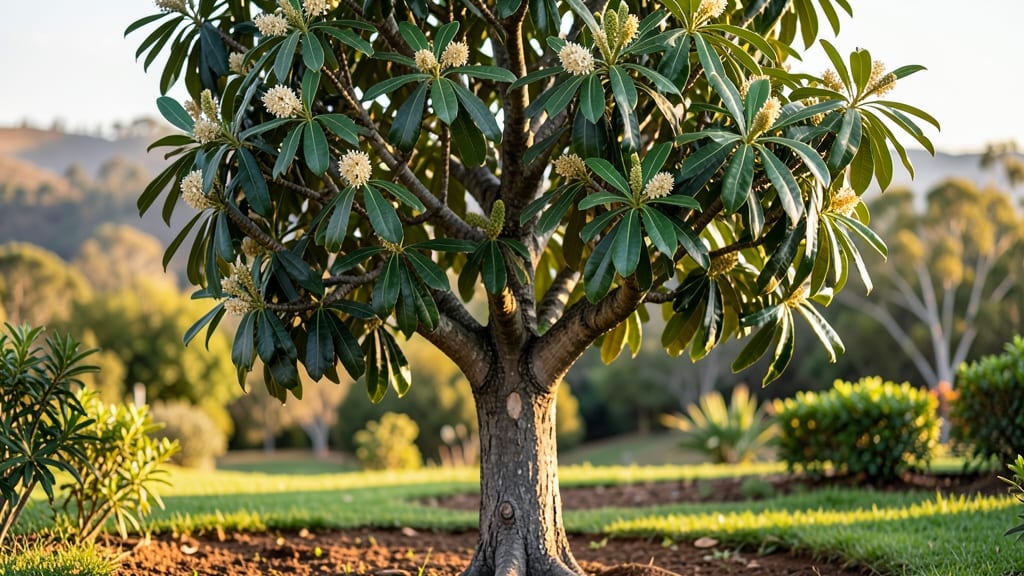
Macadamia tree care thrives when you prune them year-round for that shockingly lush canopy—something I learned after my first tree grew uneven branches that blocked sunlight to the lower fruit. The key isn’t just cutting; it’s understanding when to shape for air flow, when to remove dead wood, and how to encourage new growth without stressing the tree. Most gardeners mess this up by pruning too late in the season or over-thinning, but I’ve perfected a schedule that keeps my trees healthy and productive.
You’ll need basic tools—a sharp pruning saw for thick branches, loppers for medium-sized limbs, and clean pruning shears for smaller cuts—plus a pair of gloves to protect your hands from the tree’s sharp edges.
The best time to prune is during the dormant season (late winter to early spring) when the tree isn’t actively growing, but light pruning can happen year-round to remove dead or diseased branches.
Start with young trees by focusing on removing competing branches and shaping the canopy early to avoid heavy pruning later.
What you’ll end up with is a tree that produces more nuts and fewer problems—thicker branches, better air circulation, and a stronger structure that supports heavy harvests. The pruning process itself is satisfying, like giving your tree a haircut it actually appreciates.
You’ll notice new shoots emerging within weeks, and the canopy will fill in beautifully if you’re consistent. The payoff? A macadamia tree that looks stunning and rewards you with years of delicious nuts.
This method works for both young trees you’re training and mature trees that need maintenance—just adjust the intensity based on the tree’s age and health. Whether you’re in a warm climate like California or a cooler zone with microclimates, the principles stay the same.
Let’s get those branches looking intentional and your tree thriving!
📚 In This Guide
- What you need
- Instructions
- Tips and common mistakes
- Wrapping up and next steps
What you need
- ● Pruning shears: Bypass pruners (for cuts up to ½ inch thick) – 1 pair (look for sharp, stainless-steel blades for clean cuts).
- ● Loppers: For thicker branches (½ to 1½ inches) – 1 pair (choose ergonomic, ratcheting models for ease).
- ● Hand saw: Pruning saw with a curved blade (for branches 1½+ inches thick) – 1 unit (carbon steel blades hold up best).
- ● Disinfectant: 70% isopropyl alcohol or bleach solution (1 part bleach to 9 parts water) – small spray bottle (sanitizes tools between cuts to prevent disease).
- ● Gloves: Heavy-duty, cut-resistant gardening gloves – 1 pair (protects hands from thorns and sharp tools).
- ○ Pruning sealant: Optional but recommended for large cuts (e.g., Tree Help or Tanglefoot) – small tube (helps wounds heal faster).
- ● Ladder or step stool: Sturdy, extendable ladder (for taller trees) – 1 unit (ensure it’s rated for your height and weight).
- ● Heavy-duty trash bags: For collecting pruned branches – 2-3 bags (knot securely to avoid spills).
- ○ Sharpie or marker: Permanent marker for labeling cuts (optional) – 1 unit (helpful for tracking growth patterns).
- ● Weather check: Prune on a dry, overcast day (avoid windy or rainy conditions).
- ● Safety glasses: Protects eyes from debris – 1 pair (lightweight, wrap-around styles work best).
- ● Long sleeves/pants: Wear protective clothing to avoid scratches from thorns.
- ● First-aid kit: Basic kit with antiseptic wipes and bandages – 1 small kit (for minor cuts or scrapes).
- ● Water & snacks: Hydration breaks are key, especially on warm days!
Instructions for year-round macadamia tree pruning
Here's how to keep your macadamia tree thriving with seasonal pruning that boosts both fruit production and canopy health.
Assess Growth and Identify Pruning Needs
Start by examining your tree in late winter or early spring before new growth begins. Look for dead, diseased, or crossing branches—these are your top priorities. Macadamia trees naturally grow with a dense canopy, so focus on removing branches that rub together or grow inward. I always scan from the ground up, using a small mirror on a pole to check high branches I can't see directly.
Watch for suckers—those vigorous shoots sprouting from the base or lower trunk. While they may look like extra growth, they divert energy from the main tree. Mark these for removal with a piece of twine or flagging tape so you don't miss them during pruning. Healthy branches should have smooth bark and vibrant green leaves, while weak ones often show brown or peeling bark.
Prune for Structure and Airflow
Use clean, sharp pruning shears or a handsaw for branches larger than 1 inch in diameter. Always make cuts just outside the branch collar—the swollen area where the branch meets the trunk. This ensures proper healing and prevents disease entry. For larger branches, cut in stages to avoid tearing the bark, making the first cut about 1 foot out from the trunk and the final cut just outside the collar.
Remove no more than 25% of the tree's canopy in any single pruning session to avoid stressing the tree. Focus on thinning the canopy to improve airflow and sunlight penetration. Aim to open up the center of the tree so light reaches the inner branches. You'll see a noticeable difference in leaf color and growth vigor within a few weeks as the tree recovers.
Light Summer Maintenance Pruning
During the growing season, conduct light maintenance pruning to remove any new suckers or water sprouts that appear. These fast-growing shoots often appear along the trunk or branches and can drain the tree's energy. Use sharp pruners to cut them off at their base, making sure to avoid damaging the surrounding bark. This step is quick but critical for keeping the tree focused on producing nuts rather than unnecessary growth.
Remove any diseased or pest-infested branches immediately. Macadamia trees are susceptible to fungal diseases like anthracnose, which often appear as dark spots on leaves or bark. Bag and dispose of infected branches to prevent spreading spores to other parts of the tree. After pruning, clean your tools with rubbing alcohol to sterilize them for the next use.
Prepare for Winter and Encourage New Growth
In late fall, conduct a final light pruning to remove any remaining dead wood or branches that may have been missed earlier. This helps the tree enter dormancy with a clean slate. Avoid heavy pruning in winter, as the tree is less able to recover from stress during colder months. Focus on shaping rather than major structural changes. You'll want to leave the tree with a balanced silhouette that allows for even sunlight exposure.
Apply a layer of mulch around the base of the tree, keeping it about 2-3 inches deep and staying clear of the trunk. This helps retain moisture and regulate soil temperature, which is especially important for macadamia trees that prefer well-drained soil. Water deeply after pruning to help the tree recover and prepare for the next growing season. You'll notice fresh, new growth emerging in early spring as a sign that your pruning efforts were successful.
Tips & tricks for perfect macadamia tree pruning
Pruning a macadamia tree might seem daunting, but these simple strategies will help you maintain a healthy, productive tree with minimal stress. Here's what I've learned from years of working with these beautiful trees.
Visual Assessment is Key: In Step 1, when examining your tree, look for branches that have a "V" shape where they meet the trunk—these are crossing branches that should be removed first. Healthy branches should have a smooth, consistent diameter from the trunk outward, while weak ones often show signs of dieback or stunted growth. I always bring a small mirror on a pole to check those high branches that are hard to see from the ground.
Precision Cuts Matter: When pruning branches larger than 1 inch in diameter during Step 2, make your first cut about 1 foot out from the trunk and your final cut just outside the branch collar. This three-cut method prevents bark tearing and promotes faster healing. I've seen too many trees develop cankers from improper cuts, so take your time here—it's worth the extra effort.
Timing is Everything: Avoid heavy pruning in winter when the tree is already stressed from dormancy. Instead, focus on light maintenance in Step 3 during the growing season. The tree can recover more easily from minor adjustments when it's actively growing. You'll notice a significant difference in how quickly the tree responds to pruning when done at the right time.
Tool Maintenance Prevents Problems: After pruning, always clean your tools with rubbing alcohol to sterilize them. This simple step prevents cross-contamination of diseases like anthracnose between cuts. I keep a small bottle of rubbing alcohol in my pruning kit and clean tools after every few cuts, especially when working with diseased branches.
Pro Tips for Macadamia Tree Care
- Pruning a macadamia tree might seem daunting, but these simple strategies will help you maintain a healthy, productive tree with minimal stress.
- Visual Assessment is Key: In Step 1, when examining your tree, look for branches that have a "V" shape where they meet the trunk—these are crossing branches that should be removed first.
- Precision Cuts Matter: When pruning branches larger than 1 inch in diameter during Step 2, make your first cut about 1 foot out from the trunk and your final cut just outside the branch collar.
Frequently asked questions
Got questions about keeping your macadamia tree thriving? Here are some of the most common concerns—plus straightforward answers to help you prune with confidence!
When is the best time to prune a macadamia tree?
The ideal time is late winter or early spring (before new growth starts), but you can also prune lightly in summer to shape the tree. Avoid heavy pruning in fall—it stresses the tree before winter. Pro tip: Young trees benefit from early pruning to encourage strong branching!
How much can I trim without harming the tree?
Remove no more than 25% of the canopy in one session to avoid shock. Focus on dead, diseased, or crossing branches first. For mature trees, light annual pruning (10–15%) keeps them healthy. Over-pruning weakens growth—think "less is more!"
Why are my macadamia tree leaves turning yellow?
Yellow leaves often signal overwatering, nutrient deficiency (like magnesium), or pests (e.g., aphids). Check soil moisture and adjust watering. For deficiencies, use a balanced fertilizer (like 6-6-6) in early spring. Inspect leaves for holes or sticky residue—signs of pests!
Can I prune macadamia trees in containers?
Yes! Container-grown trees need pruning too—focus on root-bound roots and shaping. Trim roots if they circle the pot, and prune tops to match the root size. Use well-draining soil and repot every 2–3 years. Containers dry faster, so water deeply after pruning!
What if my tree isn’t producing nuts?
Macadamia trees take 5–7 years to bear nuts! Ensure full sun (6+ hours/day), proper spacing (30+ ft apart), and balanced fertilization. Male and female flowers are on separate trees—plant both for pollination. Patience and care pay off!
| Quick Fixes | When to Do It |
|---|---|
| Trim dead/diseased branches | Anytime (but prioritize dormant season) |
| Thin canopy for airflow | Late winter/early spring |
| Fertilize with citrus-friendly blend | Early spring & fall |
Wrapping up and next steps
Caring for your macadamia tree with year-round pruning is the secret to a thriving, lush canopy that rewards you with delicious nuts for years to come! 🌿 By following the right techniques—from selective trimming to seasonal adjustments—you’ll encourage healthy growth, improve air circulation, and keep pests at bay.
Remember, consistency is key, so grab those shears and make pruning a regular part of your routine.
Ready to take the next step? Start small—pick one season to focus on first, then build your confidence. Before you know it, your macadamia tree will be the star of your garden! 🌟 Need a refresher? Bookmark this guide and revisit it whenever you’re ready to prune again.