
Trees
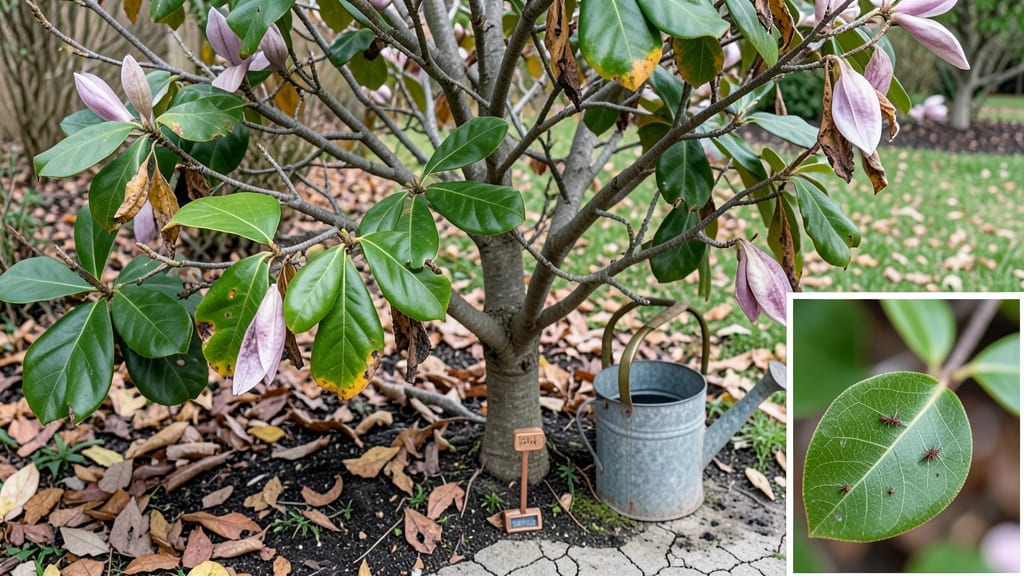
A magnolia tree losing leaves in summer isn’t a death sentence—it’s a cry for help. 🌿 I’ve nursed back more than my share of stressed magnolias, and the key is identifying whether it’s heat, pests, or something else.
Most people panic when they see those first yellowing leaves, but a few simple checks can point you to the real problem.
The most common culprit is heat stress, especially in younger trees or hotter climates. Check the soil—it should be moist but not soggy—and look under the leaves for sticky scale insects or fungal spots. My rule of thumb?
If the ground is bone-dry, water deeply in the early morning to avoid evaporation. If pests are the issue, a strong spray of water can knock off scale, or neem oil works like a charm.
By the time you’ve ruled out heat and pests, you’ll likely find the tree just needs a little TLC. Prune out any dead branches to improve airflow, and mulch around the base to keep roots cool.
Within weeks, you’ll see fresh green growth pushing through—proof that your magnolia isn’t giving up after all.
This works for both young saplings and mature trees, though larger ones might need extra water during heatwaves. The secret is consistency: check weekly, adjust as needed, and soon your magnolia will be back to its lush, leafy self.
Trust me, it’s worth the effort—those fragrant blooms are coming back stronger than ever.
Root Causes Behind Summer Leaf Drop
Seeing your magnolia tree shed leaves mid-summer can feel like a gut punch—especially when it’s thriving in spring but suddenly looks like it’s throwing a tantrum. 🌿💥 The good news? Most cases are fixable once you pinpoint the exact trigger.
Below, we break down the top scientific reasons your magnolia is losing leaves in summer, complete with actionable clues to help you diagnose the issue.
Magnolias are native to warm, humid climates, but prolonged heatwaves (above 90°F/32°C) or poor water retention can push them into survival mode.
When soil moisture drops below 15-20%, roots struggle to absorb water, causing: - Wilting leaves that turn yellow or brown before dropping. - Premature leaf scorch (edges crisping like paper). - Stunted new growth despite regular watering.
Why it happens: Magnolias have thick, waxy leaves designed to conserve water—but extreme heat forces them to close stomata (leaf pores) to prevent dehydration. This halts photosynthesis, and the tree sheds leaves to reduce water loss. 💧 Pro tip: If the top 2-3 inches of soil feel dry, your tree is already thirsty.
While drought is a villain, too much water can be just as deadly.
Magnolias hate soggy roots, and summer downpours + compacted soil create the perfect storm for: - Root rot (fungal infections like Phytophthora). - Oxygen deprivation, which triggers leaf drop as the tree gasps for air. - Salt buildup in container-grown magnolias from over-fertilized water.
How to spot it:
- Mushy, dark roots when dug up.
- Yellowing leaves with green veins (classic rot symptom).
- Water pooling around the base hours after rain.
Fix it fast: Amend clay soil with compost or perlite, and ensure pots have drainage holes. 🌱 Pro tip: Water deeply once a week (not daily) unless your area faces a heatwave—then increase to twice weekly.
Summer’s warm weather invites pests that sap nutrients or chew leaves, forcing magnolias to drop foliage as a defense.
The top culprits: | Pest | Damage Signs | Treatment | |-------------------|-------------------------------------------|----------------------------------------| | Magnolia Scale | Sticky honeydew, black sooty mold | Prune infested branches; spray horticultural oil. | | Japanese Beetles | Skeletons of leaves (chewed edges) | Handpick beetles; use neem oil. | | Spider Mites | Fine webbing, stippled/yellowing leaves | Blast leaves with water; apply miticide. |
Why it happens: Pests disrupt the tree’s energy flow, and magnolias respond by shedding leaves to conserve resources. 💡 Pro tip: Check the undersides of leaves—that’s where mites and scales hide!
Magnolias are sun-loving but sensitive to sudden changes.
Here’s how summer conditions backfire: - Windburn: High winds dry out leaves faster than roots can replenish moisture, causing brown, papery edges. - Sudden sun exposure: If moved from shade to full sun, leaves scorch (white/yellow patches) and drop. - Air pollution or urban stress: Ozone or salt spray (near roads) clogs stomata, mimicking drought.
Quick fixes:
- Shade cloth (30-50%) for newly planted magnolias.
- Mulch (3-4 inches) to protect roots from temperature swings.
- Avoid fertilizing during heatwaves—it stresses the tree further.
Summer humidity creates the perfect breeding ground for pathogens like:
- Anthracnose (Colletotrichum): Causes dark, sunken spots on leaves, which drop prematurely.
- Bacterial leaf spot: Yellow halos around water-soaked lesions.
- Powdery mildew: White, powdery coating on upper leaves (common in dense canopies).
Why it spreads: Fungal spores thrive in 70-80°F temps with high humidity. Rain splashes spores onto leaves, and poor airflow (from overcrowded branches) worsens outbreaks.
Stop the spread:
- Prune infected branches 12 inches below the damage.
- Apply copper fungicide at first sign of spots.
- Space trees 10+ feet apart for airflow. ⚠️ Pro tip: Avoid overhead watering—use drip irrigation to keep leaves dry.
Revive Your Magnolia’s Health
Watching your magnolia tree shed leaves in summer can feel like a slow-motion disaster—especially when you’ve poured love (and maybe a few tears) into nurturing it. The good news? Most causes of summer leaf drop are fixable with the right care.
Below, we’ve mapped out practical solutions tailored to each root issue, plus pro tips to keep your tree thriving long-term. Let’s get your magnolia back to its lush, leafy glory!
If your tree is wilting under scorching temps, it’s time to beat the heat—gently but effectively.
💦 Hydrate Like a Pro
- Deep watering is key: Water slowly and deeply (1–2 inches per week) at the base of the tree, not just a quick sprinkle.
Use a soaker hose or drip irrigation to avoid runoff. - Morning watering wins: Wet the soil before 10 AM to reduce evaporation.
Avoid evening watering—wet leaves + heat = fungal risks. - Mulch like a blanket: Apply 3–4 inches of organic mulch (wood chips, pine straw) around the drip line (the tree’s canopy edge). This keeps roots cool and moist.
🌿 Provide Shade Relief
- Temporary shade cloth: If your tree is in full sun, drape 30–50% shade cloth over it for a few weeks. Secure it loosely to avoid trapping heat.
- Prune strategically: Thin out dense branches to improve airflow.
Focus on crossing or rubbing branches first—they block sunlight and trap heat.
🌡️ Beat the Afternoon Sun
- Avoid midday stress: If possible, move potted magnolias to a shadier spot during peak heat (12–4 PM).
- Mist lightly: On extreme days (above 90°F), give the leaves a light misting in the early morning to raise humidity slightly.
(Skip this if your area has high humidity—fungus loves that combo!)
Healthy roots = happy tree. If your magnolia’s roots are struggling, these fixes will help them bounce back.
🔥 Fix Compacted or Waterlogged Soil
- Aerate the roots: Use a garden fork to gently loosen soil around the drip line.
Add compost or sand to improve drainage. - Raise the bed (if needed): If your tree sits in a low spot where water pools, mound soil slightly around the base to elevate roots. - Drainage test: Dig a small hole near the tree.
If water sits after 30 minutes, amend the soil with perlite or coarse sand.
🍄 Combat Root Rot
- Stop overwatering: Let the top 2–3 inches of soil dry out between waterings. Stick your finger in—if it’s soggy, wait!
- Fungal treatment: Spray the soil (not leaves) with copper fungicide or hydrogen peroxide (3%) to kill pathogens.
Reapply every 2 weeks if needed. - Improve airflow: Trim back ground cover within 3 feet of the trunk to reduce moisture buildup.
Spotted bugs? Don’t let them turn your tree into an all-you-can-eat buffet.
🐜 Target Scale, Spider Mites, or Beetles
- Neem oil spray: Mix 1 tsp neem oil + 1 tsp mild soap + 1 quart water.
Spray under leaves and branches every 5–7 days until pests vanish. - Hose them off: For soft-bodied pests (aphids, mites), blast them with a strong stream of water in the early morning. - Beneficial insects: Release ladybugs or lacewings (available at garden centers) to eat pests naturally.
🛡️ Prevent Future Infestations
- Prune infested branches: Cut and dispose of heavily damaged leaves in a sealed bag (don’t compost!).
- Reflective mulch: Line the base with aluminum foil or reflective mulch to deter crawling pests.
Yellowing leaves or stunted growth? Your magnolia might be starving—but not in the way you think.
💪 Fertilize Smartly
- Slow-release fertilizer: Use a balanced, organic fertilizer (10-10-10 or 8-3-9) in early spring or late fall.
Avoid summer feeding—it stresses roots. - Iron supplement: If leaves are yellow with green veins, apply chelated iron or iron sulfate to the soil. - Avoid overdoing it: Too much fertilizer = leaf burn. Follow package instructions precisely.
🌿 Boost Soil Health
- Compost tea: Brew homemade compost tea (steep compost in water for 24 hours) and water the tree with it monthly.
- Worm castings: Mix worm castings into the top 6 inches of soil for a nutrient boost without burning roots.
Once your magnolia recovers, lock in its health with these long-term strategies:
- 🌡️ Monitor weather: Sign up for local heat alerts and adjust care during heatwaves. - 💧 Watering schedule: Set a calendar reminder for deep watering—consistency is critical! - 🌿 Regular checks: Inspect leaves weekly for pests, discoloration, or wilting.
Catch issues early! - 🎯 Prune in late winter: Trim dead or weak branches before summer to reduce stress.
Pro Tip: 💡 If your magnolia is still struggling after 4–6 weeks, consult a local arborist. Some issues (like deep root rot or disease) may need professional intervention!
With these steps, your magnolia should regain its leaves—and then some. Stay patient, keep an eye on it, and soon you’ll be admiring those glossy, healthy leaves again! 🌿✨
Frequently asked questions
Why is my magnolia dropping leaves only in summer—not other seasons?
Summer heat stress is the #1 culprit! Magnolias native to warm climates struggle when temperatures hit 90°F+ (32°C+). The tree closes leaf pores to conserve water, halting growth and triggering leaf drop. Check for dry soil (top 2-3 inches) or wilting leaves—these are clear heat stress signs. Deep watering in mornings helps!
Are yellow leaves with green veins a sign of overwatering?
Yes! This classic symptom often means root rot from soggy soil. Dig near the roots—if they smell foul or look mushy, you’ve got rot. Fix it by letting soil dry between waterings and adding compost or perlite to improve drainage. Avoid watering until the top 2-3 inches feel dry.
How do I tell if pests (not heat) are causing leaf loss?
Look under leaves for sticky residue (honeydew) or tiny webs—signs of scale insects or spider mites. Japanese beetles leave chewed leaf edges. Spray with neem oil or blast pests off with water. Check weekly during summer heatwaves when bugs thrive!
Will my magnolia grow new leaves after summer stress?
Magnolias are resilient. With proper care—deep watering, mulching, and pruning dead branches—you’ll see fresh green growth in 4-6 weeks. Avoid fertilizing during recovery; focus on hydration and shade first. Patience is key!
Can I save a potted magnolia losing leaves in summer?
Yes, but act fast! Move pots to shadier spots and water deeply when soil is dry. Check drainage—no water pooling! Add compost to the soil and avoid fertilizing. If roots are circling, repot into a larger container with fresh, well-draining mix.