
Pruning
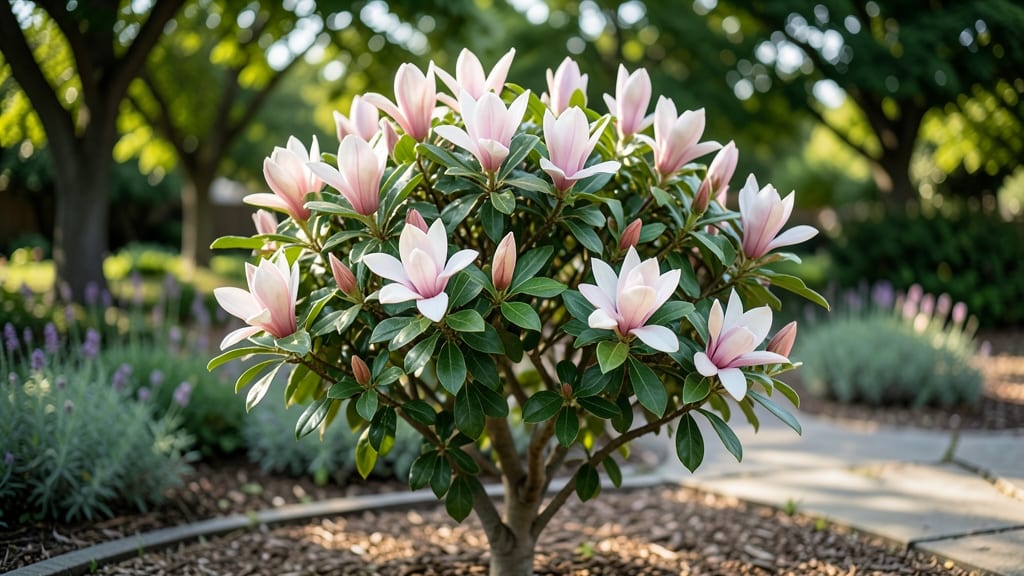
Shaping your magnolia tree or shrub into a thriving, healthy statement piece starts with understanding its unique growth habits. ✂️ Unlike most trees, magnolias—whether the towering Magnolia grandiflora or the delicate Magnolia stellata—respond best to pruning when they're dormant, but strategic cuts year-round keep them lush and blooming.
I learned this the hard way after over-pruning my first one and watching it take three years to recover. The key is timing: light pruning right after flowering removes spent blooms and encourages new growth, while major shaping happens in late winter or early spring before buds swell.
You'll notice a difference within a season—thicker foliage, more abundant blooms, and a stronger structure that can handle storms. The secret weapon? Clean cuts at a 45-degree angle just above an outward-facing bud.
For shrub forms like Magnolia 'Little Gem' or Magnolia 'Black Tulip', focus on maintaining an open center to prevent congestion. Tree forms need occasional branch removal to improve airflow, but never cut more than 25% of the canopy in one go—magnolias are sensitive to aggressive pruning.
The payoff? A magnolia that looks like it belongs in a botanical garden, not just your backyard. Works for both evergreen and deciduous varieties, and adapts to urban spaces or rural landscapes. Let's get those shears sharp and start shaping!
📚 In This Guide
- What you need
- Instructions
- Tips and common mistakes
- Wrapping up and next steps
What you need
- ● Bypass pruners: Sharp, high-quality pruners (e.g., Felco or Corona) for clean cuts on small branches (1–2 pairs).
- ● Loppers: For thicker branches (½"–1.5" diameter) (1 pair).
- ● Pruning saw: Heavy-duty saw for branches >1.5" in diameter (1).
- ● Disinfectant: 70% isopropyl alcohol or bleach solution (1 part bleach to 9 parts water) to sterilize tools between cuts (small spray bottle).
- ● Gloves: Heavy-duty gardening gloves (cut-resistant for safety) (1 pair).
- ○ Pruning sealant: Optional for large cuts (>½") to prevent disease (e.g., Tanglefoot Tree Wound Pruning Seal) (small tube).
- ● Ladder or step stool: For reaching higher branches safely (1).
- ● Trash bags: For collecting pruned branches (2–3).
- ● Weather check: Prune on a dry, calm day (avoid rain for 24 hours before/after).
- ● Safety gear: Safety glasses and long sleeves (magnolia branches can be thorny!).
- ● Research your magnolia: Know if it’s deciduous (prune after blooming) or evergreen (prune in late winter).
- ● Clean workspace: Lay down tarps or old sheets to catch debris.
- ● Hand saw: For stubborn, oversized branches.
- ● Pruning shears: For fine-tuning smaller stems.
- ● Spray bottle with water: To dampen dusty cuts and reduce stress on the plant.
- ● Notebook & pen: To sketch your shrub’s shape before pruning.
Instructions for pruning magnolia tree shrubs
Here’s how I shape my magnolias year-round while keeping them vigorous and blooming beautifully.
✂️ Step 1: Prune Immediately After Flowering
Right after your magnolia finishes blooming—usually in late spring—is the best time to shape it. This ensures you don’t accidentally cut off next year’s flower buds, which form on last year’s growth. I look for spent blooms and dead branches first, snipping them back to a healthy outward-facing bud or branch collar.
Use sharp, clean pruners to make cuts at a 45-degree angle just above a bud or branch. Avoid leaving stubs, as they invite disease. If a branch is crossing another or growing inward, remove it entirely at the base. This step keeps the shrub open and airy, preventing fungal issues.
✂️ Step 2: Light Structural Pruning in Summer
During the summer months, I focus on maintaining the shape I established in spring. This is when I trim back any leggy growth or branches that are growing too close together. I never remove more than 25% of the foliage in one session—magnolias are sensitive to heavy pruning.
Watch for branches that are rubbing against each other or growing in awkward directions. These can be thinned out to improve airflow and sunlight penetration. Summer pruning also encourages new growth, which will help thicken the shrub over time. Always make cuts just above a leaf node or bud to encourage healthy regrowth.
✂️ Step 3: Minimal Winter Pruning for Shape
Winter is the time for subtle adjustments, not major cuts. I avoid heavy pruning in late fall or winter because magnolias are already stressed by cold weather. Instead, I focus on cleaning up any dead, broken, or diseased branches that became apparent over the dormant season.
If a branch is completely dead, I remove it entirely. For partially damaged branches, I trim back only the dead portion. This keeps the shrub healthy without shocking it. I also check for any water sprouts—fast-growing, weak shoots that appear after heavy pruning—and remove them immediately to redirect the plant’s energy.
🌿 Step 4: Year-Round Maintenance Checks
Between pruning sessions, I do quick monthly checks to catch any issues early. I look for branches that are growing too aggressively or those that are crossing and rubbing. A little light trimming with hand pruners keeps the shrub looking polished without stressing the plant.
I also monitor for signs of stress, like yellowing leaves or dieback, which can indicate over-pruning or disease. If I notice any problems, I address them immediately with targeted cuts and, if needed, a fungicide spray. Keeping the magnolia healthy year-round ensures it stays strong and blooms abundantly for years to come.
Tips & tricks for pruning magnolia tree shrubs
Real talk: Pruning magnolias might seem intimidating, but these key insights will help you shape your shrubs like a pro while keeping them thriving.
Timing is Everything: The post-bloom window in late spring is critical because magnolia flower buds form on last year's growth. If you prune too early, you risk cutting off next year's blooms. I mark my calendar for when the last petals fall—usually May or June depending on my climate zone—and never delay beyond that. This timing ensures your shrub stays vigorous without sacrificing next year's stunning flowers.
The 45-Degree Cut Technique: When you make those clean cuts at a 45-degree angle just above a bud or branch collar in Step 1, you're not just following instructions—you're preventing disease. That angled cut helps water run off, keeping the wound from sitting in moisture. I always test my pruners first to ensure they're sharp enough to make clean cuts without tearing the bark, which would invite fungal infections.
Summer Pruning Strategy: The 25% foliage limit during summer pruning isn't arbitrary—it's based on how magnolias respond to stress. These trees are sensitive to heavy pruning, and removing more than a quarter of their leaves at once can shock the plant. I think of it like giving my magnolia a spa day: just enough to maintain shape and airflow without overdoing it. This approach keeps the shrub looking polished while encouraging new growth that thickens the canopy over time.
Winter Cleanup Wisdom: Winter's minimal pruning isn't about shaping—it's about cleanup. I treat this step like a doctor's checkup: remove only what's clearly dead or diseased. The key is to avoid any major cuts that would stress the plant during its dormant period. I've learned this the hard way after seeing magnolias struggle when pruned too aggressively in winter, so I now focus only on obvious problems and water sprouts that appear after previous pruning sessions.
Pro Tips for Magnolia Tree Shrub
- Real talk: Pruning magnolias might seem intimidating, but these key insights will help you shape your shrubs like a p...
- Timing is Everything: The post-bloom window in late spring is critical because magnolia flower buds form on last year...
- The 45-Degree Cut Technique: When you make those clean cuts at a 45-degree angle just above a bud or branch collar in...
Frequently asked questions
Got questions about pruning your magnolia tree shrub? You’re not alone!
Here are answers to the most common concerns—from timing to troubleshooting—so you can keep your magnolia thriving with confidence.
When is the best time to prune a magnolia tree shrub?
The ideal window is late winter to early spring (before buds break), but you can also prune after flowering if needed. Avoid heavy pruning in fall—it can stimulate new growth that won’t harden off before winter. For evergreen magnolias, light shaping in summer is safe, but skip heavy cuts.
Can I prune a magnolia tree shrub at any time of year?
While you can lightly prune magnolias in summer (to remove deadwood or shape), avoid heavy cuts during active growth (spring/summer). Pruning in fall risks frost damage to fresh cuts, and winter pruning (outside dormancy) can stress the plant. Stick to late winter/early spring for best results!
Why does my magnolia tree shrub bleed sap after pruning?
Sap bleeding (especially in spring) is normal for magnolias—it’s their way of sealing wounds. To minimize mess, prune on a dry day and use clean, sharp tools. Seal larger cuts with pruning sealant if bleeding is excessive, but small cuts will heal on their own with time.
Will pruning my magnolia tree shrub affect its flowers?
Pruning after flowering preserves next year’s blooms, but avoid cutting back flower buds (they form in late summer/fall). If you prune too late, you might reduce blooms for the following season. For dramatic shapes, prioritize structural cuts over flower-heavy branches—balance is key!
What’s the difference between pruning a tree vs. a shrub magnolia?
| Tree Magnolias (e.g., Southern Magnolia) | Shrub Magnolias (e.g., Little Gem, Annabelle) |
|---|---|
| Focus on structural shaping—remove crossing branches, deadwood, and water sprouts. Avoid topping. | Prune to encourage bushiness—cut back 1/3 of oldest stems to the ground annually. More frequent light trims work best. |
Pro Tip:
If your magnolia isn’t blooming, it might be over-pruned. Skip heavy cuts for 1–2 years to let it recover. Patience pays off—magnolias reward careful pruning with stunning, long-lasting flowers!
Wrapping up and next steps
Pruning your magnolia tree shrub isn’t just about aesthetics—it’s a year-round commitment to its health, beauty, and longevity! 🌿 With the right tools, timing, and techniques, you can encourage vibrant blooms, strong structure, and a thriving landscape centerpiece.
Whether you’re tackling early spring cleanup or summer shaping, remember that patience and precision pay off in stunning results.
Ready to elevate your green thumb game? Start small—pick one pruning session this season and observe how your magnolia responds. Over time, you’ll master the art, and your garden will thank you with breathtaking blooms year after year! 🌸