
Pruning
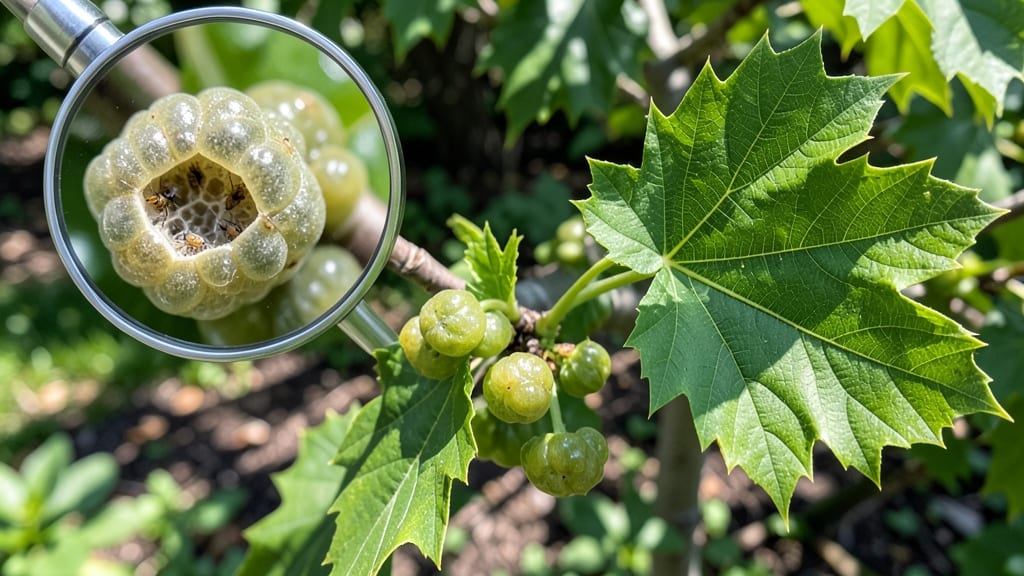
Those weird, balloon-like pockets on your maple leaves aren’t just odd—they’re maple tree bladder galls, and they’re caused by tiny mites burrowing into new growth. 🌿 I’ve seen these turn healthy trees into a mess of puckered leaves, but the good news?
You can manage them before they spread. The key is spotting them early when they’re still small and acting fast.
These mites—often Eriophyes species—trigger the tree’s defense mechanism, creating those bladder-like growths on leaves, buds, or stems. While they won’t kill a mature tree, severe infestations weaken growth and make leaves look unsightly. The damage peaks in spring, so that’s when you’ll notice the most galls forming on fresh foliage.
You’ve got options: prune heavily infested branches, apply horticultural oil in early spring, or use insecticidal soap for a gentler approach. For bad cases, a systemic insecticide might be needed—but organic methods work well for most homeowners. The goal is to stop the mites before they move to new leaves.
If your tree looks stressed beyond galls—yellowing leaves, sparse growth—it might need extra care like deep watering or fertilization. And if you’re unsure, calling an arborist ensures you don’t accidentally harm the tree while treating the galls.
The Tiny Invaders Behind Galls
Bladder galls on maple trees aren’t just a quirky natural oddity—they’re a direct response to a hidden battle between your tree and some of nature’s tiniest troublemakers. These bulbous, translucent growths form when specific gall wasps (primarily Callirhytis species) lay their eggs in the tree’s tissue.
The tree reacts by producing these abnormal growths, essentially creating a protective, nutrient-rich pocket to shelter the developing larvae. Here’s why it happens—and who’s really to blame.
The primary culprit behind bladder galls is the maple bladder gall wasp, a tiny (often <1/8-inch-long) insect that belongs to the family Cynipidae. These wasps have a unique life cycle that triggers gall formation:
- 🔍 Egg-laying precision: Female wasps use their ovipositor to inject eggs into the tree’s buds or stems during late spring or early summer. The tree’s immune system detects the foreign presence and responds by overproducing cells around the egg, forming a gall.
- 🌱 Nutrient trap: The gall acts like a built-in nursery, providing the larvae with a steady food source (sugars and nutrients from the tree’s sap) while shielding them from predators and harsh conditions.
- 🐛 Larval development: Inside the gall, the larvae feed and grow, eventually pupating and emerging as adult wasps the following year. Some species even alternate between generations—one producing galls on maple leaves, the next on stems or buds.
Pro tip: 🌡️ Timing is everything. Galls typically appear in late spring to early summer, peaking when wasps are most active. If you spot them earlier or later, consider checking for other pests or diseases.
While gall wasps are the direct cause, your maple tree’s overall health plays a huge role in how severely it’s affected. Stressed trees are like open invitations for these insects:
| Stress Factor | How It Helps Galls Spread |
|---|---|
| 💧 Water stress (drought or overwatering) | The tree weakens its defenses, making it easier for wasps to penetrate tissue. |
| ☀️ Poor sunlight (shady or crowded locations) | Reduced photosynthesis = less energy for healing wounds or repelling pests. |
| 🌱 Nutrient deficiencies (lack of nitrogen, potassium, or magnesium) | Weakened cell walls make it easier for wasps to inject eggs without resistance. |
| 🪓 Physical damage (pruning wounds, storms, or hail) | Open wounds give wasps easy access to lay eggs in vulnerable spots. |
Key takeaway: A healthy tree isn’t immune to galls, but it can limit their severity. Regular watering, proper pruning, and balanced fertilization (especially in early spring) can reduce the tree’s susceptibility.
Gall wasps thrive under specific conditions, and your local climate can either encourage or discourage their activity:
- 🌡️ Warm springs: Temperatures between 60–80°F trigger wasp emergence and egg-laying. Warmer-than-average springs can lead to earlier and more aggressive infestations.
- 🌧️ Moderate rainfall: While drought stresses trees, too much rain can create ideal humidity for wasp survival and gall development.
- 🌳 Host availability: Maple trees (especially sugar maple and silver maple) are their preferred targets. If your yard has multiple maples, wasps may spread more easily between them.
Pro tip: ✨ Monitor local pest reports. Many regions track gall wasp activity—check with your local cooperative extension service for regional trends and treatment recommendations.
Understanding the why behind bladder galls helps you take targeted action. Whether it’s improving tree health, timing interventions, or even embracing a hands-off approach (since galls rarely kill trees), knowledge is your best defense against these tiny but tenacious pests.
Fixing Gall Issues Naturally
Bladder galls on maple trees might look alarming, but with the right approach, you can manage—and even prevent—them without harming your tree. Below, we’ll break down practical solutions based on the cause of the problem, so you can tackle it head-on.
Plus, we’ll share prevention tips to keep your maple tree healthy long-term.
If you spot bladder galls forming on your maple tree, act fast—they’re the insect larvae’s nurseries! Here’s how:
- 🍳 Identify the Galls Look for round, balloon-like growths (usually ½ to 2 inches wide) on stems, branches, or even leaves. They may feel spongy or leathery.
- 👨🍳 Prune Infested Branches
- Use clean, sharp pruners (disinfect with rubbing alcohol between cuts).
- Cut 6–12 inches below the gall to remove any hidden larvae.
- Dispose of galls properly—don’t compost them! Seal them in a bag and throw them away to prevent reinfestation.
- ⏰ Time It Right Remove galls before they harden (usually in early spring or late fall), when larvae are most vulnerable.
Bladder galls are caused by maple bladder gall mites or gall wasps. Targeting these pests directly can reduce future outbreaks.
💡 Organic Control Methods
- 🌡️ Horticultural Oil Spray
- Apply dormant oil (like neem oil) in early spring (before buds swell) or fall to smother eggs and mites.
- Reapply every 7–10 days during active gall season (spring to early summer).
- 🎯 Beneficial Nematodes
- Soil-dwelling nematodes (like Steinernema feltiae) can target gall wasp larvae. Apply them in early spring when soil is moist.
- 🔥 Physical Barriers
- Wrap tree trunks with sticky bands (like Tanglefoot) in late winter to trap crawling mites before they reach leaves.
⚠️ Chemical Options (Last Resort)
If organic methods fail, consider:
- 🧪 Insecticidal Soap or Spinosad
- Spray directly on galls when they’re soft (avoid broad applications to protect pollinators).
- Follow label instructions precisely—overuse can harm beneficial insects.
A vigorous maple tree resists pests better. Boost its immunity with these steps:
- 💪 Proper Watering
- Water deeply 1–2 times per week (especially in drought).
- Use mulch (2–3 inches) around the base (but keep it 6 inches away from the trunk) to retain moisture.
- 🍎 Balanced Fertilization
- Test soil annually and amend with slow-release fertilizer (like 10-10-10) in early spring.
- Avoid high-nitrogen fertilizers—they attract soft-bodied pests.
- ✂️ Prune for Airflow
- Remove dead, crossing, or crowded branches to improve circulation.
- Thin the canopy sparingly—over-pruning stresses the tree.
Once you’ve treated an infestation, stop it from coming back with these habits:
- 🔍 Monitor Regularly
- Check your tree monthly during growing season for new galls.
- 🌿 Encourage Natural Predators
- Plant nearby flowering shrubs (like serviceberry or elderberry) to attract ladybugs and parasitic wasps, which eat gall insects.
- 🚫 Avoid Overwatering
- Soggy soil weakens trees—ensure proper drainage to prevent stress-related pest susceptibility.
- 📅 Stay Ahead of the Season
- Late fall is key: Clean up all fallen leaves and debris (a hiding spot for overwintering pests).
If your tree is heavily infested (galls on 50%+ of branches) or shows signs of decline (yellowing leaves, dieback), consult an arborist. Severe cases may need systemic treatments or professional pruning.
Remember: Bladder galls are annoying but rarely fatal to maple trees. With consistent care, your tree can bounce back—and stay gall-free! 🌳✨
Frequently asked questions
Are bladder galls harmful to my maple tree?
Bladder galls rarely kill mature maple trees, but severe infestations can weaken growth and make leaves look unsightly. The real concern is when galls appear on 50%+ of branches or if your tree shows other stress signs like yellowing leaves or sparse foliage. Healthy trees usually tolerate them better than stressed ones.
What’s the best time of year to treat bladder galls?
Act in early spring (before buds swell) or late fall when galls are soft and larvae are most vulnerable. Apply horticultural oil or prune infested branches during these windows. Avoid treating when bees are active to protect pollinators.
Can I use regular dish soap to treat bladder galls?
No—regular dish soap isn’t strong enough to kill gall wasps or mites. Use insecticidal soap (like Safer®) or spinosad instead, following label instructions. Always test on a small area first, as even these can harm beneficial insects if overused.
Will pruning help if my tree already has lots of galls?
Yes! Prune 6–12 inches below each gall to remove hidden larvae, but focus on heavily infested branches first**. Dispose of galls in sealed bags (don’t compost them). For large trees, consider hiring an arborist to avoid over-pruning, which stresses the tree further.
Are there any natural predators that eat gall wasps?
Ladybugs, parasitic wasps, and birds help control gall wasp populations. Plant flowering shrubs nearby (like serviceberry or elderberry) to attract these predators. Healthy trees with diverse ecosystems naturally resist severe infestations.