
Pruning
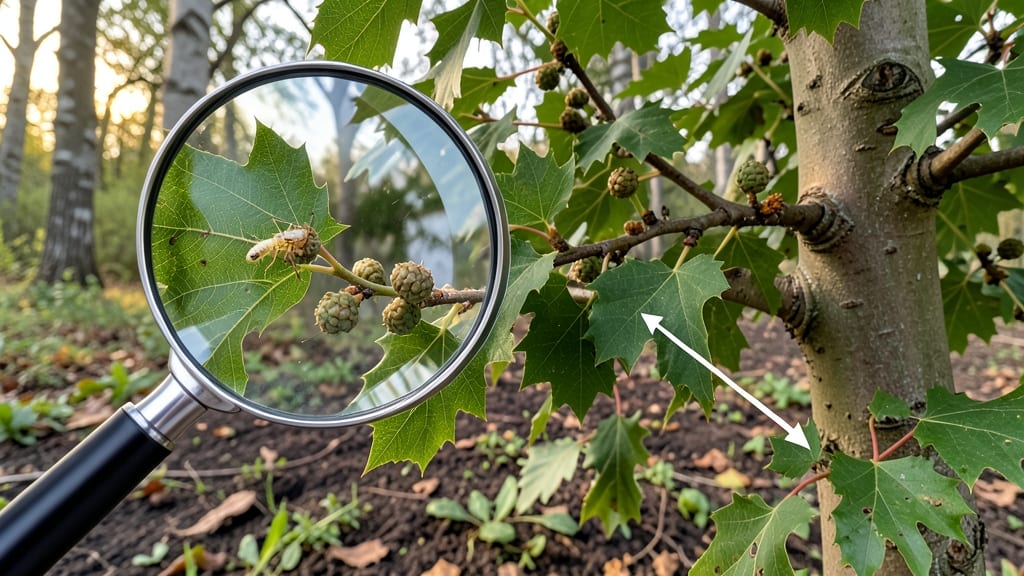
Those lumpy, swollen growths on your maple branches aren’t just unsightly—they’re maple tree galls, and they’re quietly draining your tree’s energy. 🌳 I’ve wrestled with these stubborn bumps on my own maples, and the key to stopping them lies in smart pruning and timing.
What starts as a cosmetic annoyance can weaken branches over time if left unchecked.
The culprits are tiny midges or other insects that lay eggs in the bark, triggering the tree’s defensive overgrowth. While galls themselves won’t kill a healthy tree, severe infestations stress the plant, leaving it vulnerable to disease or breakage.
The good news? You can prune them out safely during dormancy—just avoid cutting into active galls, which can spread sap and attract pests.
By removing infected branches in late winter or early spring, you’ll see fresh growth emerge within weeks. The tree redirects its energy to heal, and with consistent monitoring, you’ll break the cycle.
Think of it as giving your maple a spa day—less stress, more strength, and branches that look as good as they perform.
This method works for both young saplings and mature trees, though larger specimens may need gradual pruning over a few seasons. The goal isn’t perfection but progress—healthier branches mean fewer galls next year. Let’s get those tools ready and restore your tree’s natural beauty.
The Hidden Triggers Behind Tree Growths
Maple tree galls—those unsightly, often lumpy growths on branches and stems—aren’t random blemishes. They’re a defensive response to tiny invaders or environmental stressors. Understanding the root causes helps you tackle them effectively. Below, we break down the science behind why these growths form and what’s really at play.
Most maple tree galls are the work of insect larvae, particularly from the Cynipidae family (gall wasps). These insects inject chemicals into plant tissue, triggering abnormal cell growth as a protective cocoon. The tree’s response is a gall—a safe haven for the larvae to mature. Common culprits include:
- Maple Gall Midge (Rabdophaga strobiloides): Creates elongated, cone-like galls on twigs, often mistaken for pine cones. The midge larvae feed inside, emerging in late spring.
- Maple Bladder Gall (Andricus quercusflocci): Forms swollen, blister-like growths on leaves or stems, caused by wasp larvae that distort tissue for shelter.
- Maple Shoot Gall (Disholcaspis quercuspartitura): Produces dense clusters of stunted shoots, often on branch tips, where larvae overwinter.
Why it happens: The insect’s saliva contains growth-regulating hormones (like auxins and cytokinins) that trick the tree into forming nutrient-rich galls. The tree, in turn, tries to "wall off" the intruder, but the damage is already done—the gall becomes a nursery for the next generation of pests.
Not all galls are insect-driven. Some form due to physical or chemical stress, such as:
- Fungal or Bacterial Infections: Pathogens like Nectria or Agrobacterium can cause bacterial galls (e.g., crown galls) by injecting DNA that disrupts normal cell division.
- Herbicide Drift or Chemical Burns: Residual pesticides or improperly applied herbicides can trigger phytohormonal imbalances, leading to abnormal growths.
- Mechanical Damage: Cuts, scrapes, or even hail can prompt the tree to overproduce cells at the injury site, forming wound galls.
Why it happens: Trees are hardwired to compartmentalize damage. When stressed, they flood the affected area with nutrients and hormones to seal off the threat—sometimes resulting in unsightly (but non-lethal) galls. Unlike insect galls, these often lack internal larvae and may resolve on their own.
A tree under nutrient stress is more vulnerable to gall-forming pests and pathogens. Common deficiencies that weaken maples include:
| Deficiency | Symptoms | Gall Risk |
|---|---|---|
| Nitrogen (N) | Yellowing leaves, stunted growth | ↑ Insect attraction (softer tissue = easier entry) |
| Potassium (K) | Brown leaf edges, weak stems | ↑ Susceptibility to fungal galls |
| Zinc (Zn) | Distorted new growth, leaf malformation | ↑ Abnormal tissue = prime gall sites |
Why it happens: Healthy trees resist gall formation better because their immune systems (via phenolic compounds and lignin production) can suppress pest attacks. When deficient, trees produce weaker structural defenses, making them ideal hosts for gall-inducing agents.
Pro Tip: 💡 Test your soil before treating galls—correcting deficiencies (e.g., with compost or slow-release fertilizer) can reduce future outbreaks by 50% or more.
Fixing and Preventing Tree Growth Issues
Maple tree galls—those unsightly, often hard bumps on branches or stems—can weaken your tree’s health if left unchecked. The good news? Most gall problems have straightforward fixes, depending on their cause.
Below, we’ll break down practical solutions for common gall types, from pruning to natural remedies, plus pro tips to keep your maple tree thriving.
If galls are caused by insects (like maple gall midges) or fungal infections, the first step is sanitary pruning to remove damaged areas.
🍳 Step 1: Identify and Mark Problem Areas
- Inspect your tree for swollen galls, discolored bark, or excessive sap.
- Use sterilized pruning shears (clean with rubbing alcohol) to avoid spreading disease.
- Look for new growth—if galls are on young branches, prune just above the gall (but not too close to the trunk).
👨🍳 Step 2: Cut at the Right Angle
- Make clean cuts at a 45-degree angle, about ¼ inch above a healthy bud or branch collar.
- Avoid leaving stubs—this prevents further infection or pest entry.
- Pro Tip: If the gall is large or on a major branch, consider thinning out to improve airflow.
🥘 Step 3: Dispose of Infested Material
- Do NOT compost pruned galls—they may harbor pests or spores.
- Bag and trash them immediately or burn them (if local regulations allow).
- 💡 Quick Fix: If burning isn’t an option, soak pruned galls in a bucket of soapy water for 24 hours before disposal.
Not all galls require harsh chemicals. Try these eco-friendly fixes:
🌡️ Neem Oil Spray (For Insect Galls)
- Mix: 2 tbsp neem oil + 1 tsp mild soap + 1 quart water.
- Apply: Spray infested areas and surrounding foliage every 7–10 days until galls stop forming.
- Best for: Maple gall midges, aphids, or scale insects.
- ✨ Pro Tip: Apply in early morning or evening to avoid burning leaves.
🎯 Horticultural Oil (For Overwintering Pests)
- Use dormant oil in late winter/early spring to smother egg-laying insects.
- Follow label instructions—do not apply if temps are below 40°F or above 85°F.
- 💡 Quick Fix: If you miss the dormant season, repeat applications every 2 weeks during active growth.
🔪 Copper Fungicide (For Fungal Galls)
- If galls are black, tar-like, or oozy, they may be fungal (like tar spot or anthracnose).
- Spray with copper fungicide (follow package rates) before bud break and after rain.
- ⚠️ Warning: Avoid overapplying—copper can harm soil microbes long-term.
The best defense? Stop galls before they start with these low-effort habits:
| Prevention Tip | How to Do It | Best Time |
|---|---|---|
| 🌱 Improve Airflow | Thin out dense branches to reduce humidity (fungi love dampness). | Late winter/early spring |
| 💦 Water at the Base | Avoid wetting leaves/fruit—water early in the day so foliage dries. | Spring & summer |
| 🍂 Clean Up Debris | Remove fallen leaves & galls from the base of the tree. | Fall & winter |
| 🐛 Introduce Beneficial Insects | Encourage ladybugs, lacewings, or parasitic wasps (natural pest predators). | Spring & summer |
| 🌿 Mulch Properly | Use 2–4 inches of organic mulch (wood chips, bark) but keep it 6 inches from the trunk. | Spring |
While DIY fixes work for minor infestations, seek help if:
- Galls are spreading rapidly despite treatment.
- Your tree is young or stressed (pruning wrongly can harm it).
- You suspect serious disease (like Verticillium wilt—a fungal threat to maples).
A certified arborist can assess whether systemic treatments (like soil drenches) or professional pruning are needed.
Galls may take 1–2 seasons to fully disappear, but consistent care keeps your maple tree strong. Monitor regularly, act at the first sign of trouble, and soon, your tree will be gall-free and flourishing! 🌳✨
Frequently asked questions
Why do maple trees develop galls in the first place?
Maple tree galls form when insects like gall midges or wasps inject chemicals into the bark, triggering abnormal growth as a protective cocoon. The tree’s defense mechanism creates these lumpy growths to contain the pests. Some galls also appear from fungal infections or physical damage, where the tree overproduces cells to heal.
Are maple tree galls harmful to the tree's health?
While galls themselves rarely kill a healthy tree, severe infestations can weaken branches by diverting nutrients. Over time, this may lead to breakage or increased vulnerability to disease. Small, isolated galls are usually cosmetic, but widespread outbreaks require intervention to protect long-term tree health.
When is the best time to prune galls from a maple tree?
The ideal time is during late winter or early spring when the tree is dormant. This prevents stressing the tree and allows for clean cuts before new growth begins. Avoid pruning during active growing seasons, as this can expose the tree to pests or disease.
Can I use homemade sprays to treat maple tree galls?
Yes! A neem oil spray (2 tbsp neem oil + 1 tsp soap + 1 quart water) works well for insect-related galls. Apply every 7-10 days until new growth appears. For fungal galls, copper fungicide is effective when used before bud break. Always test sprays on a small area first.
Will removing galls prevent them from coming back?
Pruning helps reduce future galls by removing infected areas, but consistent prevention is key. Improve airflow, clean up debris, and monitor for early signs of reinfestation. Some trees may still develop occasional galls, but proper care significantly lowers recurrence rates.