
Trees
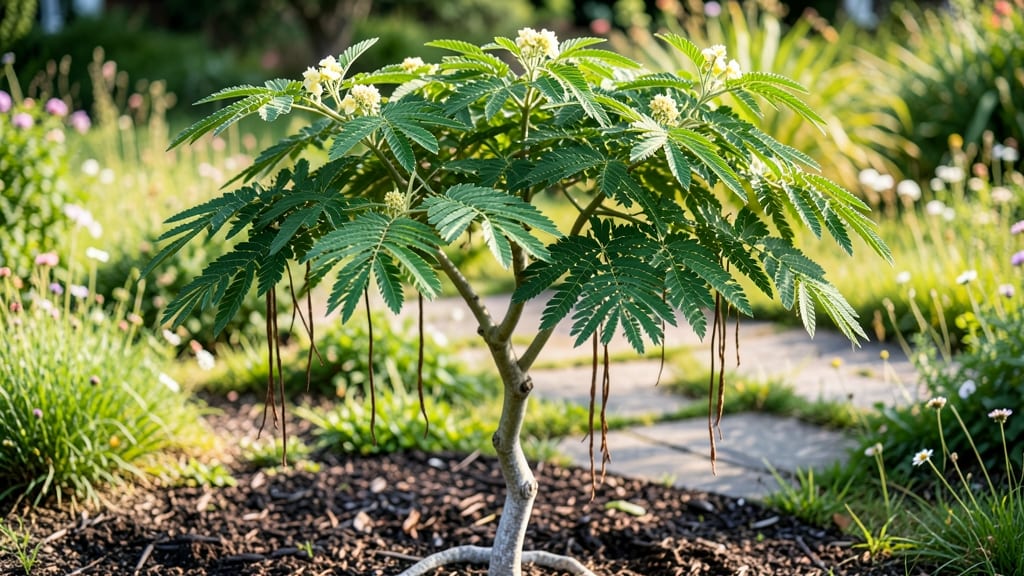
Spotting a moringa tree for identification starts with its feather-like leaves that look like tiny ferns—nothing else in your garden will have that delicate, lacy structure. 🌿 I’ve seen gardeners mistake it for a young mulberry or even a type of hibiscus, but those plants have broader leaves and thicker stems.
The real giveaway? Those long, slender seed pods that hang like strings of tiny green beans.
Once you know what to look for, you’ll notice the bark’s rough texture and the way the tree grows fast—sometimes up to 10 feet in a single season.
I’ve found wild moringa in tropical regions, but if you’re planting one, check specialty nurseries or online seed sellers that focus on exotic trees. They’re not common at big-box stores, but they’re worth the search.
Accurate identification means you’ll give it the right care: bright light, well-draining soil, and regular watering without soggy roots. A misidentified tree could end up stunted or diseased, but once you’ve spotted the real deal, you’ll be harvesting those nutrient-packed leaves in no time.
If you’re still unsure, snap a photo and compare it to online guides—moringa’s unique features make it hard to confuse once you’ve seen them up close. The key is paying attention to those leaf shapes and seed pods first.
Mistakes in Moringa Tree Identification
Accurately identifying a moringa tree (often called the "miracle tree") can be tricky, especially for beginners. Misidentification often stems from overlooking key botanical features or confusing it with similar-looking plants. Below, we break down the most common reasons why people struggle to spot moringa correctly—and how to avoid these pitfalls.
One of the biggest mistakes is misinterpreting the leaf arrangement or shape. Moringa leaves are pinnate (feather-like) with 3–7 pairs of small, oval leaflets. However, some people mistake them for:
- Mulberry leaves: These are broader, less uniform, and often have a rough texture.
- Neem leaves: Neem leaves are compound but have a distinctly asymmetrical base, unlike moringa’s symmetrical leaflets.
- Acacia leaves: Many acacias have bipinnate (double-feathered) leaves, which look far more complex than moringa’s simpler structure.
Why it happens: The human brain often generalizes leaf shapes, especially when viewing them from a distance. Without close inspection, the subtle differences between moringa and other trees can blend together. Additionally, seasonal changes (like drought stress) can alter leaf size and shape, making identification even harder.
Actionable fix: Always examine the leaflet arrangement—moringa’s leaflets are opposite (paired evenly along the stem) and smooth-edged. Use a magnifying glass if needed!
The seed pods are one of the most distinctive features of a moringa tree, yet many people ignore them. Moringa pods are:
- Long and slender (3–6 inches), resembling green beans or drumsticks.
- Triangular in cross-section (not round like okra or flat like some legumes).
- Covered in fine hairs when young, turning brown and papery as they dry.
Why it happens: Seed pods are often harvested or fallen before identification occurs. If you’re spotting a tree in winter or early spring, pods may be absent, leading to confusion. Additionally, some people mistake moringa pods for:
- Okra pods (shorter, smoother, and more bulbous).
- Carob pods (thicker, harder, and less flexible).
- Mimosa pods (often spiky or coiled).
Actionable fix: Look for dried pods on the ground or check the tree’s branch tips—young pods grow in clusters. If pods are absent, focus on flower clusters (small, white, and fragrant).
Moringa trees thrive in tropical and subtropical regions, particularly in:
- Dry, arid climates (e.g., India, Africa, Southeast Asia).
- Well-drained soils (they hate waterlogged roots).
Why it happens:
- Wrong location assumptions: Many assume moringa grows only in jungles, but it’s actually common in urban areas, farmlands, and roadsides in suitable climates.
- Seasonal dormancy: In cooler months, moringa may shed leaves or grow slowly, making it resemble a dead or different species.
- Hybrid confusion: Some gardeners cross moringa with other plants (like moringa oleifera hybrids), altering its appearance.
Actionable fix: Research your local climate zone—moringa won’t grow in temperate or cold regions without greenhouse conditions. If you’re traveling, ask locals or check botanical databases for verified sightings.
The moringa trunk is straight, slender, and often grayish-brown, but it lacks distinctive bark patterns (like furrows or peeling layers). Many people dismiss a tree as "not moringa" if the trunk doesn’t match their mental image.
Why it happens:
- Juvenile vs. mature confusion: Young moringa trees have smooth trunks, while older ones develop slight ridging. People often expect a "perfect" trunk.
- Pest or disease damage: Termites, fungal infections, or animal gnawing can alter bark texture, making the tree look unfamiliar.
- Pruning practices: Farmers or gardeners may trim trunks to encourage bushier growth, changing its natural shape.
Actionable fix: Don’t judge a tree by its trunk alone! Instead, combine trunk observations with leaf and pod clues. If the trunk is smooth and pale, check for new growth—young moringa leaves are a dead giveaway.
Pro Tip: 💡 Use the "three-point check"—always verify leaves, pods, and growth habit before confirming identification. When in doubt, snap a photo and compare it to verified databases like iNaturalist or PlantNet.
Quick Fixes for Moringa Tree Confusion
Identifying a moringa tree shouldn’t feel like solving a botanical puzzle—but if you’re staring at a leaf or pod and wondering, "Is this really moringa?", here’s your step-by-step guide to clarity.
Whether you’re dealing with misidentification, environmental stress, or seedling struggles, these practical solutions will help you spot the real deal (and avoid look-alikes).
Moringa leaves are fern-like with 3–7 leaflets, but stress or pests can warp their appearance. Here’s how to correct the confusion:
🍃 Fix: Compare with a Reference Guide
- Step 1: Snap a clear photo of the leaf (front and back) under natural light. 📸
- Step 2: Overlay it with a moringa leaf diagram (like the one in our "Why It Happens" section) to check:
- Leaflet arrangement: Are they pinnate (feather-like) or palmate (hand-shaped)?
- Edge texture: Moringa leaves have slightly serrated (not jagged) edges.
- Step 3: If it’s a false positive, note the differences (e.g., "This looks like Cassia because of the smooth edges").
✨ Pro Tip: Use a magnifying glass to inspect veins—moringa leaves have prominent, parallel veins that fork near the edges.
Moringa seed pods are long, slender, and triangular, but drought or disease can shrink or distort them. Here’s how to troubleshoot:
🌿 Fix: Check Pod Stage and Health
- Early Stage (Green Pods):
- Problem: Pods are too short or stubby? → Likely nutrient deficiency (lack of nitrogen or potassium).
- Solution: Fertilize with compost or a balanced 10-10-10 NPK mix.
Water deeply twice weekly during dry spells. - Mature Stage (Brown Pods): - Problem: Pods are lumpy or split prematurely? → Pest damage (e.g., pod borers) or overwatering. - Solution: - For pests: Spray neem oil (1 tsp per liter of water) weekly. 🍃 - For rot: Reduce watering and improve drainage (add gravel or sand to soil).
💡 Prevention: Prune yellowing or deformed pods immediately to stop nutrient drain.
If your moringa sapling is leggy, pale, or stunted, it’s likely suffering from light or soil issues. Reset its growth with these fixes:
🌱 Fix: Adjust Light and Soil
| Issue | Cause | Solution |
|---|---|---|
| Leggy, weak stems | Too little sunlight | Move to full sun (6+ hours/day) or use a grow light. |
| Yellow leaves | Overwatering or poor drainage | Let soil dry 2–3 inches deep between waterings. Add perlite to pots. |
| Slow growth | Nutrient-poor soil | Mix in worm castings or a slow-release fertilizer (like 5-5-5). |
🔥 Pro Tip: Pinch back the top leaves when the sapling is 6 inches tall to encourage bushier growth.
Moringa can be confused with **horseradish tree (Moringa oleifera vs. Moringa peregrina) or even neem trees. Here’s how to tell them apart:
| Feature | Moringa | Look-Alike (Neem Tree) |
|---|---|---|
| Leaf Shape | 3–7 pinnate leaflets | 5–11 pinnate leaflets (longer) |
| Seed Pods | Triangular, paper-thin | Round, woody, and thicker |
| Smell | Mild, slightly sweet | Strong, bitter odor |
🎯 Final Check: Crush a leaf—moringa has a fresh, slightly spicy scent; neem smells medicinal and pungent.
Prevention for Future Spotting:
- Bookmark a moringa ID chart** (like the one in our "Why It Happens" section) for quick reference.
- Grow from certified seeds to avoid hybrid confusion.
- Label your plants at the base with a waterproof tag (e.g., "Moringa oleifera – Plant Date").
With these fixes, you’ll go from "Is this moringa?" to "Yes, that’s definitely moringa!" in no time. 🌿✨
Frequently asked questions
What are the most distinctive features to spot a moringa tree?
Look for fern-like leaves with 3–7 pairs of small, oval leaflets arranged in a feather pattern. The seed pods are another key clue—they’re long, slender, and triangular, resembling green beans or drumsticks. Young pods have fine hairs, while mature ones turn brown and papery.
How can I tell if a tree is moringa vs. neem or mulberry?
Moringa leaves have smooth edges and parallel veins, while neem leaves are longer with asymmetrical bases. Mulberry leaves are broader and rougher. Crush a leaf—moringa smells fresh and slightly spicy, while neem has a strong, bitter odor.
Where can I find moringa trees for identification or planting?
Check specialty nurseries or online seed sellers that focus on exotic trees. Wild moringa grows in tropical regions like India, Africa, or Southeast Asia, often in urban areas, farmlands, or roadsides. Avoid big-box stores—they rarely carry moringa.
What should I do if my moringa tree looks different than expected?
Compare it to a reference guide or use a magnifying glass to check leaflet arrangement and vein patterns. If pods are deformed, check for pests or overwatering. Snap a photo and compare it to verified databases like iNaturalist or PlantNet for confirmation.
Can I grow moringa from seed if I’m unsure about the tree’s identity?
Yes, but buy certified seeds from trusted sellers to avoid hybrids. Label your plants clearly at the base. If growing outdoors, ensure your climate is tropical or subtropical—moringa won’t survive in cold regions without greenhouse protection.