
Blooming
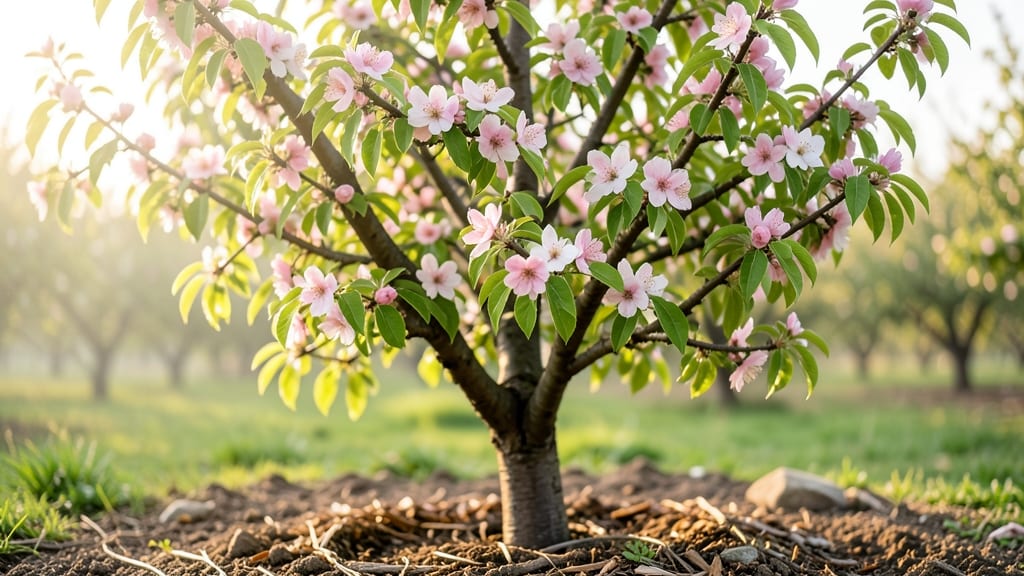
Peach trees bloom in late winter to early spring — the exact timing depends on your climate zone and the variety you’ve planted.
Picture this: you’ve waited all year for that first 🍑 blossom, only to wake up to a surprise frost that wipes out your flowers before they even open. That’s why knowing your tree’s bloom window is the key to a successful harvest.
In USDA Zone 6a, where many gardeners grow peaches, blooms typically appear between mid-April and early May, but warmer zones can see flowers as early as March.
The right timing isn’t just about patience—it’s about protecting your tree from late frosts and giving it the best chance to set fruit.
Below, I’ll break down how to predict bloom time based on your location, the best varieties for your zone, and simple steps to extend your tree’s flowering window for a bigger harvest.
Peach tree bloom time by USDA climate zones: when to expect flowers
Predicting when your peach tree will bloom depends heavily on your USDA hardiness zone. In warmer southern zones like 8-10, blooms often appear as early as February, while gardeners in cooler northern zones (3-6) may not see flowers until late April or May.
These timing differences matter because late frosts can devastate blossoms, leaving you with no fruit. Understanding your zone helps you time frost protection and pruning for maximum success.
Temperature fluctuations also play a critical role. Peach trees need chilling hours (300-1,000 hours below 45°F) to break dormancy, but once buds form, they’re vulnerable to freezing temperatures. A single 28°F night after blooms appear can kill flowers and reduce your harvest by 50% or more.
This is why late-season varieties are often recommended in colder climates—they bloom later when frost risks have passed.
Here’s how bloom times vary by zone, along with the best peach varieties suited to each region:
| USDA Zone | Typical Bloom Window | Early Varieties | Mid-Season Varieties | Late Varieties | Frost Risk |
|---|---|---|---|---|---|
| Zones 3-5 | Late April–Early May | Contender, Redhaven | Elberta, Reliance | Hale Haven, Frosthaven | High (late frosts common) |
| Zones 6-7 | Mid-April–Late April | Redhaven, Springcrest | Elberta, Babcock | Hale Haven, Summercrest | Moderate (watch for April frosts) |
| Zones 8-9 | February–March | Springcrest, Redtop | Flordagold, Suncrest | Tropic Snow, Tropic Beauty | Low (rare frosts after February) |
| Zone 10 | January–February | Tropic Snow, Tropic Beauty | Flordagold, Suncrest | None (early blooms year-round) | Very Low (minimal frost risk) |
Note: Bloom times shift 1-2 weeks earlier in southern microclimates (e.g., near coasts or urban heat islands).
In Zones 3-5, where frosts linger into May, late-blooming varieties like Hale Haven are your best bet. These trees wait until mid-May to flower, often avoiding the worst frost risks.
Meanwhile, gardeners in Zones 8-10 can plant early varieties like Tropic Snow as early as January, since frost threats are minimal. The key is matching your local last-frost date with the bloom window of your chosen variety.
Temperature swings also affect bloom timing. For example, a warm winter followed by a cold snap can delay blooms by 2-3 weeks. This is why microclimate selection matters—planting near a south-facing wall or in a protected valley can add critical warmth during critical bloom periods.
Even a 5°F difference can mean the difference between a successful bloom and a frost-damaged crop.
If you’re in a transitional zone (e.g., Zone 7b), consider intermediate varieties like Reliance or Springcrest. These bloom in early to mid-April, giving you a buffer against unpredictable frosts.
Another strategy is to plant a mix of early, mid, and late bloomers to spread out your harvest window and reduce risk. For example, Redhaven (early) + Elberta (mid) + Hale Haven (late) can give you peaches from June through August.
Watch for environmental cues to fine-tune your predictions. Peach tree buds swell noticeably in late winter, often 4-6 weeks before blooming. If buds appear but temperatures drop below 32°F, cover them with frost cloth or a lightweight blanket.
In Zones 6-7, where April frosts are common, I’ve seen gardeners use smoke signals (yes, really!) to warm buds by 1-2°F on critical nights—a trick passed down from generations of orchardists.
Pruning also impacts bloom timing. Heavy pruning in late winter can delay blooms by 1-2 weeks as the tree focuses on regrowing branches. If you pruned aggressively in February, expect blooms to arrive later than usual.
Conversely, light pruning (removing only dead or crossing branches) keeps the tree’s energy focused on flowering. For first-year trees, avoid pruning entirely—they need all their strength to establish roots and set buds for next year.
Finally, remember that pollination is another critical factor. Peach trees require cross-pollination from another variety (even if it’s just a neighbor’s tree). If you’re in a remote area, plant two compatible varieties (e.g., Elberta + Redhaven) to ensure fruit set.
How to extend your peach tree’s bloom window for better fruit set
Late frosts can turn your peach tree’s beautiful blossoms into a sad, frostbitten mess—leaving you with no fruit to harvest. But don’t worry, there are smart ways to extend the bloom window and protect those delicate flowers.
The key is understanding your local microclimate and using simple, effective strategies to shield your tree from late-season frost.
First, choose the right planting location. Even a small difference in elevation or sunlight exposure can mean the difference between a frost-free bloom window and a failed harvest. South-facing slopes warm up faster in the morning, giving your blossoms a fighting chance against early frost.
If your yard is flat, consider planting near a sunny wall or heat-absorbing surface like a brick patio.
Peach blossoms are extremely frost-sensitive—temperatures below 28°F can kill them instantly. Even a light frost (32°F) can damage pollen, reducing fruit set by 50% or more. Monitor your local frost forecast and act 24-48 hours ahead of predicted frost.
One of the easiest ways to protect your blossoms is with frost cloth. This lightweight fabric traps heat and can raise temperatures by 5-10°F. Drape it over your tree in the late afternoon before frost is expected, securing the edges with clips or bricks.
Remove it the next morning to avoid overheating. For extra protection, combine frost cloth with row covers or even a small fan to circulate warm air around the blossoms.
Strategic pruning can also help extend your bloom window. Thin out overcrowded branches in late winter to improve airflow, which reduces frost pockets. Focus on removing water sprouts and crossing branches—these compete for energy and can delay blooming.
Prune in dormant season (late winter) to avoid stressing the tree before it blooms.
Don’t forget about pollination! Some gardeners use a handheld fan or electric pollinator to mimic bee activity on cloudy or windless days. This ensures better fruit set even if natural pollinators are scarce. Place the fan near the tree for 10-15 minutes during peak bloom time to maximize success.
Finally, consider planting early-blooming varieties if you live in a high-frost-risk zone. Varieties like Redhaven or Elberta tend to bloom slightly later than others, giving them a better chance of avoiding frost. Pairing these with late-blooming varieties can also spread out your harvest window and reduce risk.