
Pruning
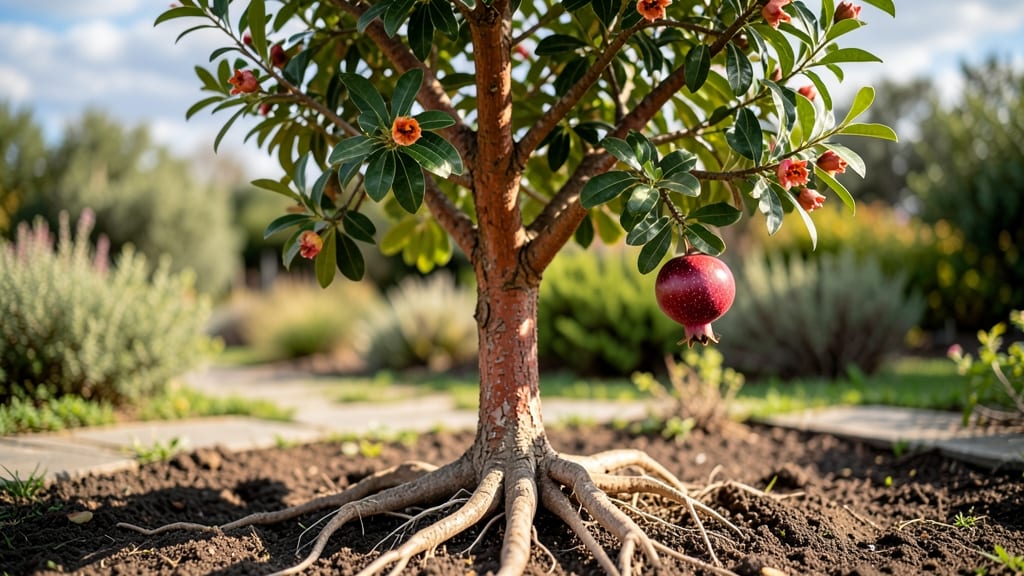
Pomegranate tree roots need careful handling—cut them wrong, and you’ll stunt growth or invite disease. 🌱 After years of trial and error with my own tree, I’ve learned the precise way to prune roots without damaging the plant, plus how to spot signs of stress before it’s too late.
The key is timing and technique: prune roots in early spring when new growth starts, and use clean, sharp tools to avoid tearing. Focus on removing only the thickest, most invasive roots—never more than 10-20% of the root system at once.
Over-pruning shocks the tree, while under-pruning lets roots spread uncontrollably. You’ll see stronger branches and deeper color in the leaves within 4-6 weeks, plus fewer issues with transplant shock if you’re moving the tree.
The soil stays healthier too, as pruned roots encourage new, fibrous growth that absorbs water better. This works for both young trees and mature ones—just adjust the depth based on the tree’s size. Let’s get your pomegranate’s roots working smarter, not harder.
📚 In This Guide
- What you need
- Instructions
- Tips and common mistakes
- Wrapping up and next steps
What you need
- ● Pruning shears: Bypass pruners (sharp, clean, and sterilized—think blank">alcohol wipe or bleach solution) for small roots (4–6 inches in diameter).
- ● Lopper: Heavy-duty bypass lopper for thicker roots (6+ inches) or stubborn growth.
- ● Pruning saw: One with a fine-toothed blade (avoid jagged cuts!) for roots over 3 inches thick.
- ● Gloves: Thick, cut-resistant gardening gloves (roots can be sharp or splintery!)
- ● Disinfectant: 1 part bleach to 9 parts water (for sterilizing tools between cuts).
- ○ Root stimulator: Optional but helpful—mycorrhizal fungi powder or blank">rooting hormone to encourage regrowth.
- ● Mulch: 2–3 inches of organic mulch (straw, wood chips, or compost) to protect exposed roots post-pruning.
- ● Watering can or hose: With a gentle spray nozzle for post-pruning hydration.
- ● Timing: Prune roots in early spring (before new growth) or late winter—avoid summer heat or winter frost.
- ● Weather: Choose a cloudy day or water the tree to soften the soil slightly.
- ● Safety gear: Safety glasses (in case of debris) and a first-aid kit (just in case!).
- ● Map of roots: Sketch or mark the tree’s root zone (typically 12–18 inches from the trunk) with stakes or spray paint.
- ● Permits (if needed): Check local regulations if your tree is near property lines or sidewalks.
- ● ✨ Test soil moisture first—roots should feel slightly damp, not soggy.
- ● 🌡️ Work in layers: Remove mulch first, then prune, then re-mulch to retain moisture.
- ● 🎯 Label cuts: Use flags or twine to mark roots you’re unsure about—revisit in 2 weeks.
How to prune pomegranate tree roots for healthier growth
Here’s the method I use to keep pomegranate roots vigorous without stressing the tree.
🪴 Step 1: Identify the Root Zone and Prepare Tools
Pomegranate roots spread wide but shallow, so focus on the outer 12-inch ring around the trunk. Grab your sharp pruning shears and sterilized tools—disinfect blades with rubbing alcohol to prevent disease spread. I always work on a dry day, as wet soil sticks to roots and makes cleanup messy.
Clear away mulch and topsoil in a 2-foot radius around the base. You’ll see the white, fibrous feeder roots and thicker structural roots radiating outward. These are your targets. Avoid disturbing the taproot deeper than 6 inches—it anchors the tree and shouldn’t be cut.
✂️ Step 2: Trim Dead or Crossing Roots
Look for dark, mushy roots—these are dead and should be cut away completely. Use your shears at a 45-degree angle, making clean cuts ½ inch above the damage. For crossing or tangled roots, remove the smaller one to reduce competition. I prioritize roots growing toward the trunk, as they can girdle and strangle the tree over time.
Stop when you see healthy, white root tips—these indicate active growth. If you hit large, woody roots, leave them alone. Pomegranates are drought-tolerant, so pruning too aggressively can shock the tree. Aim to remove no more than 10-15% of the root mass in one session.
💧 Step 3: Refresh the Root Zone and Mulch
After pruning, loosen the soil around the remaining roots with your fingers or a hand trowel. This encourages new growth into the aerated zone. Water deeply—1-2 gallons—to help the tree recover. You’ll know it’s enough when water drains 6 inches deep into the soil.
Reapply 2-3 inches of organic mulch (like shredded bark) in a 3-foot circle around the base, but keep it 6 inches away from the trunk to prevent rot. This mimics the tree’s natural dry climate and keeps roots cool. Avoid fresh wood chips—they can draw nitrogen as they decompose, weakening the tree.
☀️ Step 4: Monitor and Adjust for Seasonal Growth
Check the pruned area in 4-6 weeks. Healthy roots will show new white growth at the cut edges. If the tree looks stressed—yellowing leaves or wilting—reduce watering and avoid pruning for the season. Pomegranates are tough, but they need time to recover after root work.
Repeat root pruning every 2-3 years in early spring, just as new shoots emerge. This timing gives the tree time to regenerate before summer heat. I’ve seen pomegranates rebound beautifully after careful root maintenance—just don’t rush the process.
Tips & tricks for pruning pomegranate roots like a pro
Here's what I wish I knew when I first tackled this—these little details make all the difference between a stressed tree and one that thrives.
Tool Prep is Non-Negotiable: Sterilizing your tools isn't just about disease prevention—it's about giving your tree the best possible start. I learned this the hard way after seeing a pruned tree develop root rot from contaminated shears. Use rubbing alcohol on blades, and don't skip the drying step. Wet tools can actually spread pathogens more efficiently than you'd think. The 12-inch ring you focus on in Step 1 becomes your work zone, so keep everything in that area pristine.
Root Identification Trick: Healthy pomegranate roots have a distinctive "white with slight pinkish tinge" appearance when fresh. If you're unsure about a root's health, do this quick test: gently scratch the surface with your fingernail. Healthy roots will show fresh white underneath, while diseased roots will reveal dark streaks or a slimy texture. This visual cue helps you make confident cuts without over-pruning, which is especially important when you're limited to removing just 10-15% of the root mass.
Mulch Placement Matters More Than You Think: That 6-inch clearance from the trunk isn't arbitrary—it prevents what gardeners call "trunk rot." I've seen pomegranates develop fungal issues from mulch piled too close, even with organic materials. Think of it like creating a donut shape around your tree: thick mulch in the outer ring, but clear space right at the base. The 2-3 inches depth recommendation creates the perfect microclimate for root health without smothering the tree.
Seasonal Timing Secret: Early spring isn't just about new shoots—it's when the tree's energy starts flowing back into the roots after winter dormancy. I've found that pruning right as those first green leaves appear gives the tree just enough time to recover before summer's heat stress. If you're in a particularly warm climate, you might even consider late fall pruning (just before the first frost) as a second option—just don't do both in the same year.
Pro Tips for Pomegranate Tree Roots
- Here's what I wish I knew when I first tackled this—these little details make all the difference between a stressed tree and one that thrives.
- Tool Prep is Non-Negotiable: Sterilizing your tools isn't just about disease prevention—it's about giving your tree the best possible start.
- Root Identification Trick: Healthy pomegranate roots have a distinctive "white with slight pinkish tinge" appearance when fresh.
Frequently asked questions
Got questions about pomegranate tree roots?
You’re not alone! Here are answers to the most common concerns—from pruning do’s and don’ts to root health and timing. Whether you’re a first-time grower or a seasoned gardener, these insights will help you nurture a thriving pomegranate tree.
How deep do pomegranate tree roots actually grow?
Pomegranate roots typically spread wide (3–5 feet from the trunk) but grow shallow—mostly in the top 18–24 inches of soil. Avoid deep digging near the base, as roots are sensitive to disturbance. Focus on mulching (2–3 inches) to protect them without smothering.
When is the best time to prune pomegranate roots?
The ideal time is late winter or early spring (before buds swell) or immediately after harvest (fall). Avoid pruning during extreme heat or frost. If you must prune roots in summer, water deeply before and after to reduce stress.
What happens if I accidentally damage pomegranate roots while pruning?
Minor root damage may slow growth, but healthy pomegranates recover well. If you sever large roots (1+ inch thick), seal cuts with rooting hormone and water thoroughly. Monitor for wilting—if it persists, consult a local arborist for targeted care.
Can I prune pomegranate roots to control tree size?
Yes! Root pruning (trenching around the drip line) encourages smaller, bushier growth and redirects energy to fruit production. Use a sharp spade to cut 10–15% of roots in early spring. Pair this with top pruning for balanced results.
Are there alternatives to pruning pomegranate roots?
If root pruning feels risky, try these low-stress methods:
- Container growing: Limit root space with pots (15+ gallons) and prune above-ground only.
- Mulch management: Use organic mulch (wood chips, straw) to suppress weeds and protect roots without cutting.
- Soil aeration: Loosen compacted soil around the base annually to improve root health.
Wrapping up and next steps
Understanding and caring for your pomegranate tree roots is the secret to a thriving, fruit-bearing tree! By pruning roots mindfully and avoiding damage, you’ll encourage stronger growth, better nutrient absorption, and even sweeter harvests. Your efforts today will pay off in vibrant blooms and juicy pomegranates tomorrow!
Ready to take action? Start by observing your tree’s roots this season—note any signs of stress or overgrowth. If needed, refer back to our pruning guide and schedule a gentle root trim during the dormant months. Every small step keeps your pomegranate tree healthy and happy! 🌱✨