
Diseases
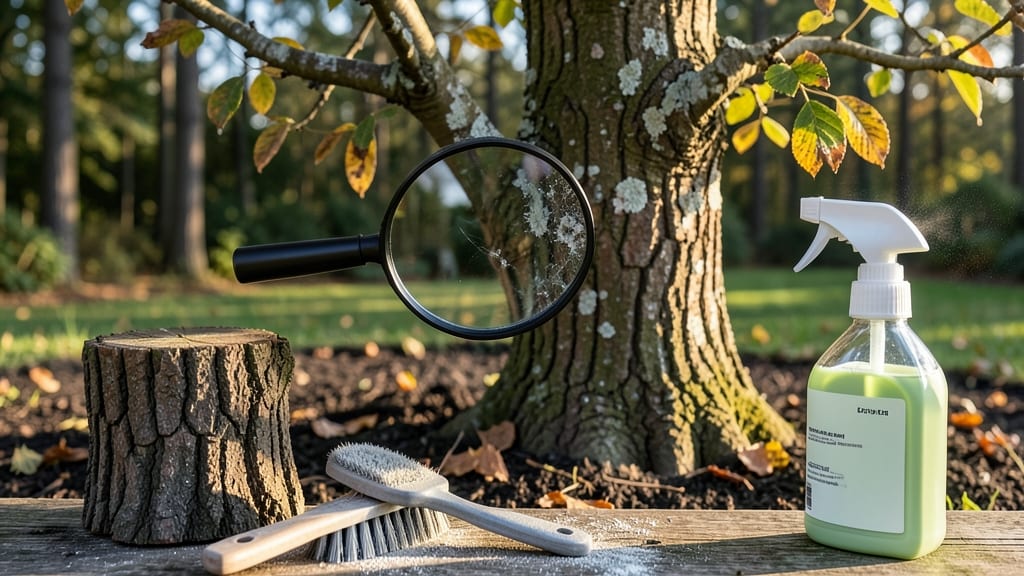
That white, powdery coating on your tree bark isn’t just unsightly—it’s a fungal warning sign that spreads fast if ignored. 🌿 I’ve battled powdery mildew on apple, pear, and even my stubborn oak trees, and I’ll show you how to stop it in its tracks without harsh chemicals.
The key? Early action and organic treatments that work with nature, not against it.
Most people assume this is just a cosmetic issue, but powdery mildew weakens trees by blocking sunlight and clogging pores. Humid mornings, poor air circulation, and overcrowded branches create the perfect storm for it to take hold.
The good news? You can reverse it with simple, fast-acting solutions that protect your trees for years to come.
By the end of this, you’ll know exactly how to treat infected bark—whether it’s a young sapling or a mature shade tree—and prevent it from returning. No more scrubbing away at stubborn patches or watching your trees struggle. Just organic, effective methods that deliver results in weeks, not seasons.
We’ll cover everything from homemade sprays to pruning tricks that improve airflow, plus when to call in reinforcements for severe cases. Your trees will thank you with stronger growth and healthier foliage—starting this spring.
The Hidden Triggers Behind Fungal Growth
Powdery mildew isn’t just a random annoyance—it’s a fungal party crashing your tree’s defenses, and understanding why it shows up is half the battle. This sneaky pathogen thrives when conditions align like a perfect storm, turning your tree’s bark into an all-you-can-eat buffet.
Let’s break down the real culprits turning your trees into mildew magnets.
Fungi like powdery mildew love stagnant air—it’s like their version of a cozy blanket. When trees grow too densely (think overcrowded shrubs or hedges) or have thick, overlapping branches, airflow gets trapped. This humidity-rich environment gives spores the perfect conditions to land, germinate, and spread without competition.
🔍 Why it matters: Spores need just 6–12 hours of leaf wetness to infect, and poor circulation extends that window. Even healthy trees can succumb if their bark stays damp too long.
💡 Pro Tip: Prune to open up the canopy and thin out dense foliage. Aim for at least 3–5 feet of space between trees to let air (and sunlight) flow freely.
Powdery mildew spores are dormant until moisture wakes them up. While they don’t need standing water like some fungi, they do crave high humidity—especially when bark stays damp from:
- 🌧️ Frequent rain or overhead watering (splashing soil spores onto bark).
- 💦 Poor drainage in the root zone, causing bark to stay clammy.
- 🌿 Shady, damp microclimates (like north-facing bark or tight canopies).
- 🌊 Fog or morning dew lingering for hours.
🔬 Science Alert: The fungus Oidium (a common powdery mildew) thrives at 77–86°F with 90%+ humidity. That’s why it’s rampant in summer’s muggy afternoons.
✨ Solution: Water deeply but early (before 10 AM) to let bark dry by evening. Use drip irrigation or soaker hoses to avoid wetting foliage.
Sunlight isn’t just for photosynthesis—it’s a natural fungicide. UV rays inhibit spore germination, while shade creates the perfect low-light, high-humidity greenhouse for mildew. Trees in:
- 🏠 Tight urban spaces (sandwiched between buildings/walls).
- 🌳 Understory canopies (young trees shaded by mature ones).
- 🌿 North-facing sides (where sun barely reaches).
📊 Data Point: Studies show powdery mildew infections drop by 50% when trees get 6+ hours of direct sunlight daily.
🌡️ Fix It: Thin out competing vegetation or prune to increase sunlight exposure. If your tree is permanently shaded, reflective mulch (like white gravel) can bounce light onto the bark.
A stressed tree is like an open door with a “Welcome” sign for fungi. Powdery mildew exploits trees that are:
- 🌱 Recently planted (still establishing roots).
- 💀 Nutrient-deficient (yellowing leaves = weak immunity).
- 🔥 Drought-stressed (closed stomata trap humidity).
- 🐛 Pest-damaged (sap-sucking insects create entry points).
🦠 How It Works: Healthy bark has waxy cuticles that repel spores. But when trees are weak, the fungus penetrates via microscopic wounds or exploits natural bark cracks.
💪 Boost Resistance: Feed trees with balanced fertilizer (10-10-10) in early spring. Mulch properly (2–4 inches) to retain moisture without suffocating roots.
Next up: How to spot these early warning signs before mildew takes over…
Quick Fixes for Fungal Foes
Powdery mildew on tree bark isn’t just unsightly—it can weaken your trees over time if left unchecked. The good news? With the right approach, you can reverse the damage and prevent future outbreaks.
Below, we’ve mapped out practical, organic solutions tailored to the root causes of mildew, from poor airflow to overwatering. Each fix is designed to be easy to implement and tree-friendly, so you can restore your yard’s health without harsh chemicals.
Cause: Dense foliage, overcrowded trees, or tight planting blocks airflow, creating the perfect humid microclimate for mildew.
How to Treat It:
- 🔥 Prune Strategically – Thin out branches to improve sunlight penetration and airflow. Focus on:
- Removing crossing or rubbing branches (they trap moisture).
- Trimming overgrown limbs that shade the trunk or bark.
- Pro Tip: 💡 Prune in early spring or late summer when trees are less stressed.
- 🍳 Space Out Trees – If trees are planted too close, consider transplanting or adding low-growing ground covers (like clover) to break up humidity at the base.
- 👨🍳 Install a Fan (Yes, Really!) – For high-value trees, a low-speed oscillating fan on a timer (run for 10–15 mins daily) can dry bark faster than nature.
Cause: Overwatering or poor drainage keeps bark damp longer than mildew loves.
How to Treat It:
- ⏰ Water Deeply but Less Often – Switch to deep watering 2–3 times per week (early morning) instead of daily shallow sprinkles. Aim for 1–1.5 inches of water per session.
- 🔪 Improve Drainage – If your soil is clay-heavy, amend it with compost or perlite to help water drain faster. For container trees, ensure pots have drainage holes.
- 🥘 Avoid Wetting Bark Directly – Use a soaker hose or drip irrigation to water the base of the tree, not the trunk or leaves.
Cause: Existing mildew needs a fast-acting, non-toxic treatment to stop spreading.
How to Treat It:
- 🌡️ Baking Soda Spray (Best for Mild Cases) – Mix:
- 1 tsp baking soda
- 1 quart water
- A few drops of dish soap (helps it stick)
- Spray every 7–10 days until mildew disappears. Pro Tip: ✨ Test on a small branch first—some trees (like azaleas) are sensitive.
- 🎯 Neem Oil (Kills Fungus + Prevents Regrowth) – Combine:
- 1 tbsp neem oil
- 1 tsp mild soap
- 1 quart water
- Spray at dusk (avoids burning leaves). Repeat every 2 weeks until cured.
- 💪 Horticultural Oil (For Stubborn Cases) – Use refined oil sprays (like JMS Strobe) in early spring before mildew flares up.
Cause: Weak or nutrient-deficient trees are mildew magnets.
How to Treat It:
- 📊 Feed with Compost Tea – Brew compost tea (steep compost in water for 24–48 hours, strain) and foliar spray it on leaves and bark. Rich in beneficial microbes, it boosts tree defenses.
- 🍎 Add Mulch (But Keep It Right!) – Spread 2–4 inches of organic mulch (wood chips, straw) 3 inches away from the trunk to:
- Regulate soil moisture.
- Reduce splash-back from irrigation.
- Warning: ❌ Never pile mulch against the bark—this suffocates the tree and traps moisture.
- 💪 Use Beneficial Fungi – Introduce mycorrhizal fungi (available as powders or granules) to the root zone. These good fungi outcompete mildew for nutrients.
Once you’ve treated the mildew, lock in your success with these long-term strategies:
| Do This | Avoid This |
|---|---|
| 🌞 Plant resistant varieties (e.g., ‘Claret Ash’ for ash trees). | 🌧️ Planting in shaded, damp spots (mildew’s favorite). |
| 🍂 Clean up fallen leaves (they harbor spores). | 💦 Overhead watering (use drip irrigation instead). |
| 🔄 Rotate organic treatments (don’t rely on one method). | 🚫 Using chemical fungicides (they kill beneficial insects). |
| 🌱 Inspect trees weekly in spring/fall (early action = easier fixes). | 🛑 Ignoring early signs (white powder = act now!). |
Final Thought: 🌟 With proactive care, your trees can bounce back stronger than ever. Start with one or two fixes this week—like pruning and baking soda spray—and watch the mildew fade away! For severe cases, combine neem oil + airflow improvements for the best results.
Frequently asked questions
Can I just scrape off powdery mildew from tree bark?
Scraping helps remove visible spores, but it’s only a temporary fix. The real solution is treating the underlying fungus and improving airflow. Use a soft brush to gently remove mildew, then apply a baking soda or neem oil spray to kill remaining spores. Always work on dry bark to prevent spreading spores.
Will powdery mildew kill my tree?
While it won’t kill healthy mature trees, powdery mildew weakens them by blocking sunlight and clogging pores. Young or stressed trees are most at risk. Act quickly with organic treatments and improve growing conditions to prevent long-term damage. Severe cases may require professional arborist consultation.
How often should I spray organic treatments?
For baking soda sprays, apply every 7–10 days until mildew disappears. Neem oil should be used every 2 weeks during active growth. Always spray in the early morning or evening to avoid leaf burn, and alternate treatments to prevent resistance.
Is it safe to use chemical fungicides on tree bark?
Chemical fungicides can work quickly but often harm beneficial insects and may leave harmful residues. For bark treatment, organic options like neem oil or horticultural oils are safer and equally effective. If you must use chemicals, choose low-toxicity options labeled for organic use and follow directions precisely.
Can I prevent powdery mildew in newly planted trees?
Start with proper spacing (at least 3–5 feet between trees), use drip irrigation instead of overhead watering, and apply a preventive neem oil spray every 4–6 weeks during growing season. Healthy soil with mycorrhizal fungi also boosts natural resistance.