
Pruning
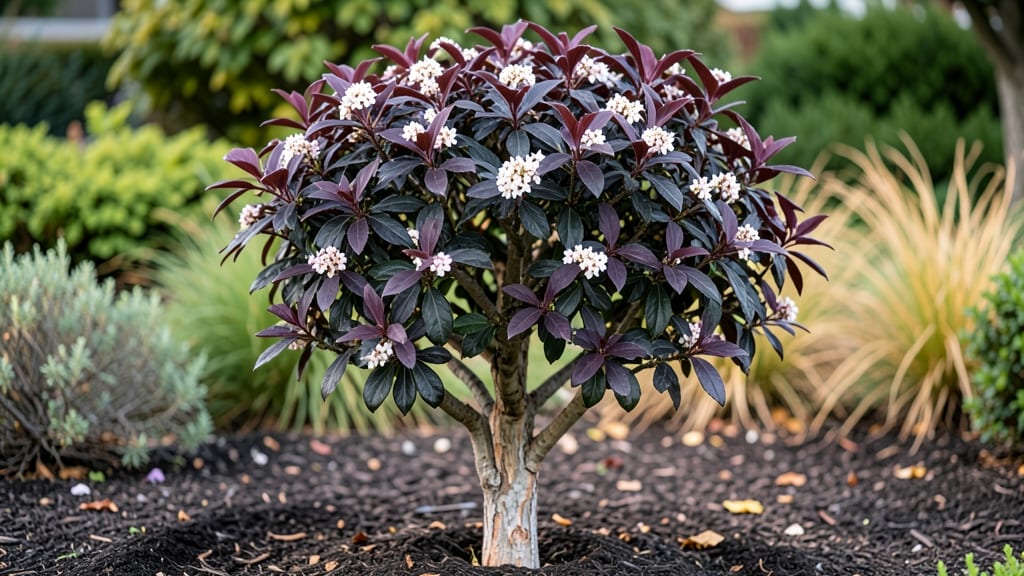
My tree form ninebark transformed from a scraggly shrub to a stunning small tree in just two seasons—all thanks to the right pruning approach. 🌿 This hardy plant thrives on structure, and with a few strategic cuts, you’ll get that elegant, upright form that makes it the star of any border or lawn.
The secret lies in year-round shaping, not just spring cleanups. Prune in late winter to remove dead wood, then lightly shape in summer to encourage dense foliage. I’ve seen it bloom with vibrant white flowers and hold its berries all winter—proof that proper pruning pays off in every season.
You’ll end up with a plant that’s disease-resistant, drought-tolerant, and packed with ornamental value. The foliage turns fiery red in fall, and the peeling bark adds winter interest. It’s the kind of plant that makes neighbors ask, “What’s that?”—and then want one too.
Works as a specimen, focal point, or mixed-border anchor. Let’s get that ninebark looking like a million bucks—without the fuss.
📚 In This Guide
- What you need
- Instructions
- Tips and common mistakes
- Wrapping up and next steps
What you need
- ● Pruning shears: Sharp, bypass-type shears (for clean cuts on small branches). Recommended: Felco F-2 or similar.
- ● Loppers: 8–10" bypass loppers (for thicker branches, up to 1.5" diameter).
- ● Pruning saw: Curved-tooth saw (for branches thicker than 1.5").
- ● Gloves: Heavy-duty gardening gloves (to protect from thorns and debris).
- ● Disinfectant: 70% isopropyl alcohol or pruning sealant (to prevent disease spread).
- ○ Twine or plant ties: (Optional) For securing branches during shaping.
- ○ Stakes or small flags: (Optional) To mark branches for removal.
- ● Safety gear: Safety glasses (to shield from debris).
- ● Weather check: Prune on a dry, overcast day (avoid midday sun or rain).
- ● Plant health: Ensure your ninebark is fully established (at least 2–3 years old).
- ● Time commitment: Dedicate 1–2 hours for initial shaping; maintenance pruning takes 30–60 minutes.
Instructions for pruning ninebark in tree form
Here's how I shape ninebark into a graceful tree form—keeping it healthy and stunning year after year.
✂️ Step 1: Prune for Structure in Late Winter
Wait until just before buds swell in late winter or early spring to prune. This timing lets you see the plant's framework clearly while it's still dormant. Start by removing any dead, diseased, or crossing branches—cut them back to the main stem or a healthy lateral branch. I always use clean, sharp pruners to avoid tearing the bark.
Look for branches growing inward or rubbing against others. These will compete for space and create weak points. Make your cuts at a 45-degree angle just outside the branch collar—the swollen area where the branch meets the trunk. This ensures proper healing and prevents water from pooling on the wound.
☀️ Step 2: Shape the Canopy During Early Summer
After the first flush of new growth in early summer, step back and assess your ninebark's shape. You want a balanced, open canopy that lets light reach the center. Focus on thinning out crowded branches rather than just cutting back the ends—this improves airflow and reduces disease risk.
Use hand pruners to trim back about one-third of the longest branches to encourage bushier growth. Watch for branches growing straight up or outward too aggressively—these can be lightly pruned to redirect energy toward a more natural, rounded shape. Avoid heavy pruning now, as it can stress the plant during peak growth.
✂️ Step 3: Refine the Form in Late Summer
In late summer, make final adjustments to refine the tree form. This is the time to clean up any water sprouts—those fast-growing, vertical shoots that pop up along the trunk or branches. Cut these back to their origin or a lateral bud to maintain a clean silhouette.
If your ninebark has become too dense at the top, selectively remove a few of the oldest branches at the base to open up the center. This encourages new growth lower down and keeps the plant's energy flowing upward. Always step back and compare both sides—your goal is symmetry without sacrificing the plant's natural character.
⏰ Step 4: Light Maintenance Through Fall and Winter
As fall approaches, remove any dead or diseased branches that appear. Ninebark is generally low-maintenance, but keeping an eye out for damaged growth prevents problems from spreading. Avoid heavy pruning now, as the plant is preparing for dormancy.
In winter, you can do a quick "cleanup" pass to remove any remaining dead wood or branches that look out of place. This keeps the plant looking tidy without stressing it. I like to prune on a dry day when the branches are easier to see against the bare landscape.
🌿 Step 5: Encourage New Growth with Strategic Cuts
Every few years, give your ninebark a rejuvenation prune in late winter. This means cutting back about one-third of the oldest branches to the ground. Don’t overdo it—focus on a few branches at a time to avoid shocking the plant. This encourages vigorous new growth from the base and keeps the tree form vibrant.
Watch for new shoots emerging from the base after pruning. These will form the foundation of your ninebark’s future shape. Thin them as needed to maintain an open center and prevent overcrowding. With patience, your ninebark will develop a strong, balanced tree form that’s both functional and beautiful.
Tips & tricks for perfect tree form ninebark pruning
Transforming ninebark into a stunning tree form takes patience and precision—but these tricks will help you achieve professional results without the guesswork.
Timing is Everything: Late winter pruning (just before buds swell) reveals the plant's natural framework while it's dormant. If you miss this window, wait until early spring when buds begin to show. I've learned the hard way—pruning too early can encourage new growth that gets damaged by late frosts, while pruning too late risks removing next year's blooms.
Cutting Technique Matters: Always make your cuts at a 45-degree angle just outside the branch collar. This isn't just a rule—it's how plants heal properly. I used to make straight cuts, and those wounds would take forever to seal. The angled cut prevents water from pooling, which speeds up healing and keeps your ninebark healthy. For thicker branches, use loppers and make the cut just outside the branch collar without leaving a stub.
Canopy Balance Secret: In early summer, focus on thinning rather than just cutting back branch ends. This might seem counterintuitive, but removing entire branches can create ugly gaps. Instead, look for branches growing straight up or outward too aggressively—these can be lightly pruned to redirect energy toward a more natural, rounded shape. The goal is to create an open center that lets light reach all parts of the plant while maintaining that graceful tree silhouette.
Rejuvenation Strategy: Every few years, give your ninebark a rejuvenation prune by cutting back about one-third of the oldest branches to the ground. This might sound drastic, but it's how you keep your plant vibrant. I've seen ninebarks that looked tired and overgrown transform completely after this treatment. Just don't overdo it—focus on a few branches at a time to avoid shocking the plant. The new growth that emerges will form the foundation of your tree form's future shape.
Pro Tips for Tree Form Ninebark
- Transforming ninebark into a stunning tree form takes patience and precision—but these tricks will help you achieve professional results without the guesswork.
- Timing is Everything: Late winter pruning (just before buds swell) reveals the plant's natural framework while it's dormant.
- Cutting Technique Matters: Always make your cuts at a 45-degree angle just outside the branch collar.
Frequently asked questions
When is the best time to prune tree-form ninebark for shaping?
Prune tree-form ninebark in late winter or early spring (before new growth starts) to avoid stressing the plant. Light shaping can also be done in summer after flowering to maintain form, but avoid heavy cuts then. Pro tip: If pruning in summer, do it gradually to prevent shock.
How do I encourage a fuller, bushier tree-form ninebark?
To promote density, prune back 1/3 of the oldest stems each year to the ground. This stimulates new growth from the base. For a balanced shape, cut selectively—remove crossing branches or those growing inward. Bonus: Fertilize lightly in spring to support vigorous regrowth.
Can I prune tree-form ninebark too much? What are the signs?
Yes! Over-pruning shows as stunted growth, sparse foliage, or excessive bare stems. If you’ve cut too much, reduce future pruning and focus on feeding and watering to recover. Tree-form ninebark is resilient but thrives with moderate shaping—never remove more than 25% of the plant in one season.
What’s the difference between pruning tree-form and standard ninebark?
Tree-form ninebark is pruned to maintain a single trunk with layered branches, while standard ninebark is often left multi-stemmed or shrub-like. For tree-form, focus on:
- Removing lower branches to create a clean trunk (6–12” tall).
- Thinning interior growth for air circulation.
- Avoiding "lion’s tail" (overly dense top) by pruning selectively.
My ninebark’s leaves are yellowing after pruning. Is this normal?
Mild yellowing can happen if pruned too late in the season or if the plant is stressed. However, if it’s widespread, check for overwatering, nutrient deficiency, or pests. Adjust care: water deeply but less frequently and apply a balanced fertilizer. Most ninebark recovers quickly with proper aftercare!
Wrapping up and next steps
Mastering the art of pruning tree form ninebark 🌿 isn’t just about aesthetics—it’s about unlocking its full potential for year-round beauty and health. By following the right techniques, timing, and tools, you’ll keep your ninebark thriving, whether it’s a lush hedge, a sculpted topiary, or a graceful small tree.
Now that you’re armed with the know-how, grab those pruners and get hands-on! Start with a light trim this season, then refine your skills over time—your ninebark (and your green thumb) will thank you!
💡 Pro Tip: Snap a before-and-after photo of your pruning progress—it’s the best way to track growth and celebrate your success!