
Pruning
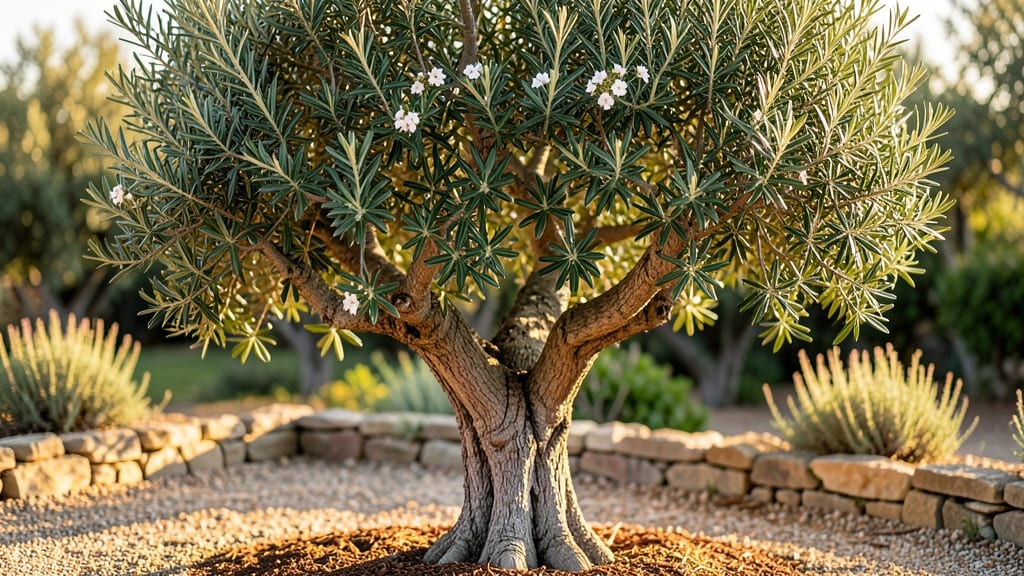
Pruning your Swan Hill olive tree in Arizona isn’t just about shaping—it’s about unlocking year-round fruit production while keeping it thriving in 110°F summers and 25°F winters. 🌿 I’ve learned the hard way that skipping pruning means fewer olives and a scraggly tree by spring, but doing it right transforms your yard into a productive olive grove.
The key? Timing cuts to match Arizona’s climate and understanding how this variety responds differently than Mediterranean olives.
This tree needs three pruning sessions a year: a light shape-up in late winter (after frost risk passes), a mid-summer cleanup to remove water-stressed branches, and a harvest-time trim to encourage next year’s fruit.
Most Arizona gardeners over-prune in winter, which stresses the tree—so I’ll show you the exact cuts to make at each stage. You’ll end up with a compact, productive tree that bears fruit twice a year instead of struggling to recover.
What sets the Swan Hill apart is its cold tolerance—it handles Arizona’s winters better than most olives, but you’ll still want to protect young trees with frost cloth on those rare sub-20°F nights.
The real magic happens in how you prune: open the canopy for airflow to prevent fungal issues (a common problem in our dry heat), and always cut back to outward-facing buds to maintain an open, sunlit structure. That’s how you get those plump, flavorful olives instead of bitter, undersized ones.
The payoff is worth the effort: a well-pruned Swan Hill in Arizona produces 2-3 harvests a year with minimal care. Once you master the timing and technique, you’ll have a tree that feeds you, feeds your neighbors, and stays healthy through our extreme seasons.
Let’s get those shears sharp and make it happen—your future olive oil is waiting.
📚 In This Guide
- What you need
- Instructions
- Tips and common mistakes
- Wrapping up and next steps
What you need
- ● Pruning shears: Bypass pruners (for cuts up to ½ inch thick). Recommended: Felco F-2 or Corona Ratchet.
- ● Loppers: For branches ½ to 2 inches thick. Tip: Choose anvil-style with a sharp blade for clean cuts.
- ● Pruning saw: For thick branches (2+ inches). Look for: Curved blade for precision.
- ● Disinfectant: 70% isopropyl alcohol or 10% bleach solution (1 part bleach to 9 parts water) to sterilize tools.
- ● Heavy-duty gloves: Cut-resistant (e.g., Mechanix Wear or similar) to protect hands from thorns.
- ● Ladder or step stool: Extendable for tall trees (ensure stability!).
- ● 5-gallon bucket: For collecting pruned branches and clippings.
- ○ Pruning sealant (optional but helpful): Tree wound sealant (e.g., Tanglefoot Tree Wound Pruning Seal) for cuts larger than ½ inch.
- ● Pole pruner: For high branches (extendable up to 10–12 feet).
- ● Workshop saw: For removing large, dead branches.
- ● Sharpie or marker: To label branches for future reference (e.g., "Fruit-bearing" or "Remove").
- ● Safety goggles: Protect eyes from debris.
- ● Hose with nozzle: For rinsing tools and cleaning sap off cuts.
- ● Check the weather forecast—prune on a dry, overcast day or early morning to reduce stress on the tree.
- ● Ensure you have permission if the tree is on shared or public property.
- ● Review your pruning goals: Are you focusing on fruit production, shape control, or removing deadwood?
- ● Have a plan: Sketch a rough diagram of the tree’s structure beforehand.
Step-by-step guide to pruning your Swan Hill olive tree in Arizona
Here’s how I keep my Swan Hill olive thriving in Arizona’s heat—shaping it for fruit and beauty year-round.
✂️ Step 1: Time Your Pruning for Arizona’s Climate
Prune your Swan Hill olive late winter to early spring (February–March) when temps hover around 60–70°F. This timing avoids stressing the tree during Arizona’s brutal summer heat or exposing it to winter cold snaps. I wait until after the last frost but before new growth starts—usually when you see buds swelling but no leaves yet.
If you need light shaping in summer, do it early morning to avoid scorching cuts. Never prune during extreme heat—olive trees are drought-tolerant but not heat-tolerant when wounded. Watch for new shoots along branches; that’s your cue to prune before they harden off.
🌿 Step 2: Remove Dead, Diseased, or Crossing Branches First
Start with sanitation cuts: Remove any branches that are dead (no green beneath bark), diseased (black spots, ooze), or rubbing against others. Use clean, sharp bypass pruners—dull tools crush branches, inviting infection. Cut back to the branch collar (the swollen area where the branch meets the trunk), not into it.
I like to bag and dispose of diseased wood immediately. Olive trees in Arizona can suffer from verticillium wilt—don’t compost infected branches. If a branch is less than ½ inch thick, snap it off by hand at the collar. Thicker branches need pruners.
☀️ Step 3: Shape for Sun Exposure and Airflow
Olive trees need full sun (6+ hours daily) to produce fruit, so open the canopy to let light penetrate. Aim for a rounded, vase-like shape—cut back upward-growing branches to encourage outward growth. Remove suckers (shoots from the base or trunk) and water sprouts (fast-growing vertical shoots) to redirect energy to fruit-bearing branches.
Leave 3–5 main scaffold branches spaced 12–18 inches apart along the trunk. Thin out 25–30% of the canopy total—never remove more than that in one season. Watch for sunburned leaves (yellow or crispy edges) after pruning; if you see this, your cuts were too aggressive.
🍃 Step 4: Encourage Fruit Production with Strategic Cuts
For year-round fruit, focus cuts on last year’s growth. Prune back current season’s shoots to 4–6 leaves—this forces the tree to set fruit buds. Avoid heading cuts (cutting back to a leaf or bud) on mature wood; instead, make clean cuts just above an outward-facing leaf or branch.
I lightly prune again in late summer (August–September) to remove overly vigorous growth that might shade developing fruit. This second trim keeps the tree balanced and prevents fruit drop from overcrowding. After pruning, water deeply to help the tree recover.
⏰ Step 5: Clean Up and Monitor for Recovery
After pruning, sterilize your tools with 70% rubbing alcohol to prevent disease spread. Rake up and dispose of all clippings—olive wood doesn’t decompose easily and can harbor pests. Apply a balanced fertilizer (10-10-10) in early spring to support new growth, but avoid heavy nitrogen—it encourages leafy growth over fruit.
Watch for new growth in 4–6 weeks—that’s your sign the tree is healing. If you see yellow leaves (not just new growth), you’ve over-pruned. Olive trees are resilient but need patience; don’t expect heavy fruit until the second year after major pruning.
Tips & tricks for pruning your Swan Hill olive tree
These practical strategies will help you avoid common mistakes and get the most out of your Arizona olive tree's pruning.
Timing is Everything: The February-March window is critical because it aligns with your tree's natural dormancy period. I've learned this the hard way—pruning too early risks exposing tender buds to late frosts, while waiting too long means missing the optimal growth window. Watch for those first buds swelling but no leaves yet—that's your perfect cue. For summer shaping, stick to early morning to prevent heat stress on fresh cuts.
Tool Prep Makes All the Difference: I can't stress enough how important it is to use sharp, clean bypass pruners. Dull tools crush branches instead of making clean cuts, which invites infections—especially problematic in Arizona's dry climate. Sterilize your tools with 70% rubbing alcohol before and after each use. For branches under ½ inch thick, your hands work perfectly fine; anything thicker needs proper pruning shears. I keep a small bottle of rubbing alcohol in my gardening toolkit for quick sterilization between cuts.
Visual Cues for Perfect Cuts: When shaping your tree, look for branches growing straight up—they're competing with each other for sunlight. These should be your first targets for removal. For fruit production, focus on last year's growth and cut just above outward-facing leaves or branches. This creates the perfect angle for new growth while maintaining an open canopy. Remember the 25-30% rule—never remove more than that from the canopy in one season, or you'll shock the tree.
Recovery Monitoring: After pruning, watch for new growth in 4-6 weeks as your tree's healing sign. If you notice yellow leaves that aren't just new growth, you've likely over-pruned. Olive trees are tough but need patience—don't expect heavy fruit until the second year after major pruning. I always make a note in my gardening journal of what I pruned and when, so I can track recovery patterns over time.
Pro Tips for Swan Hill Olive Tree Arizona
- These practical strategies will help you avoid common mistakes and get the most out of your Arizona olive tree's pruning.
- Timing is Everything: The February-March window is critical because it aligns with your tree's natural dormancy period.
- Tool Prep Makes All the Difference: I can't stress enough how important it is to use sharp, clean bypass pruners.
Frequently asked questions
Got questions about pruning your Swan Hill Olive Tree in Arizona? You’re not alone! Here are some of the most common queries—and their answers—to keep your tree thriving year-round.
When is the best time to prune my Swan Hill Olive Tree in Arizona’s climate?
The ideal time to prune is late winter or early spring (February–March), just before new growth begins. Arizona’s mild winters make this the perfect window to shape your tree without stressing it. Avoid heavy pruning in summer or fall, as the tree needs energy to recover.
How much can I trim my Swan Hill Olive Tree without harming it?
Olive trees are resilient, but never remove more than 25% of the foliage in one session. For shaping, focus on selective pruning—trim dead, crossing, or overcrowded branches first. Over-pruning can reduce fruit production and weaken the tree, especially in Arizona’s dry heat.
Why aren’t my Swan Hill Olive Tree’s branches growing back after pruning?
If branches aren’t regenerating, check for over-pruning, disease, or drought stress. Olive trees need 6–8 hours of sunlight daily and consistent watering (deep but infrequent). If the issue persists, inspect for root rot or pest damage—common in Arizona’s fluctuating temperatures.
Can I prune my Swan Hill Olive Tree in the Arizona summer heat?
While you can prune in summer, it’s not ideal. Heat stress + pruning = slower recovery. If you must, do it early morning or late evening to minimize shock. Light pruning (removing only dead wood) is safer than heavy shaping during peak temperatures.
What’s the best way to shape a Swan Hill Olive Tree for fruit production?
For maximizing fruit, prune to open the canopy—remove branches that block sunlight from the center. Focus on horizontal branches (they bear more fruit) and thin out vertical “water sprouts.” Aim for a balanced, vase-like shape to encourage airflow and reduce disease risk.
Wrapping up and next steps
Pruning your Swan Hill Olive Tree in Arizona isn’t just about keeping it tidy—it’s your secret to year-round fruit production and a stunning, healthy shape! 🌿 With the right tools, timing, and techniques, you’ll master the art of shaping while maximizing those delicious olives.
Remember, consistency is key, and a little effort now means bountiful harvests later.
Ready to take action? Grab your pruners, mark your calendar, and start with small, confident cuts. Whether you’re trimming for aesthetics or fruit, your olive tree will thank you—and so will your taste buds! 🌟 Next, plan your first pruning session today!