
Pests and Diseases
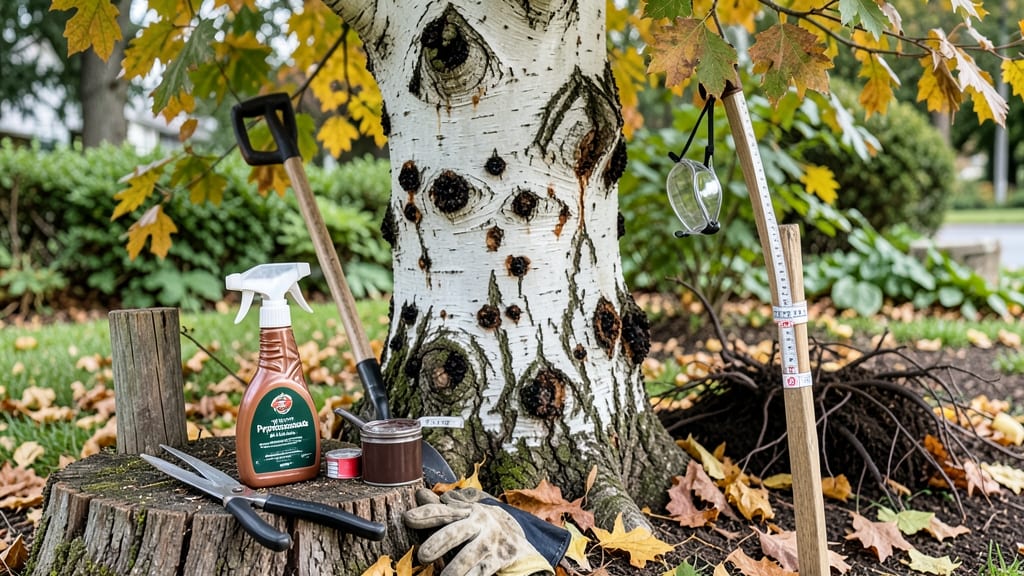
Your tree’s sudden wilting or mushrooms sprouting at its base isn’t just a red flag—it’s a call for tree fungus and rot treatment specialists before the damage spreads beyond repair. 🌳 I’ve seen healthy oaks collapse into hollow shells in months when home remedies were delayed, and the difference between saving and losing a tree often comes down to acting fast with the right expertise.
Fungal infections like Armillaria or root rot start silently—discolored bark, oozing sap, or sudden leaf drop are your first warnings. The good news?
Many cases can be turned around with targeted pruning, soil aeration, or even biological fungicides, but timing matters. Prune infected branches in dry weather to slow spread, and avoid over-mulching near the trunk, which traps moisture and invites more spores.
For severe cases, specialists use pressure-treated stakes to inject fungicides deep into the root zone or even surgical techniques to remove infected wood. The goal isn’t just to stop the rot—it’s to restore the tree’s structural integrity so it can heal.
Think of it like emergency surgery: the sooner you act, the better the recovery.
Prevention is simpler than rescue: improve drainage, choose resistant species for your climate, and inspect trees annually for early signs. But when the mushrooms appear, don’t wait—consult a certified arborist before the tree becomes a hazard.
The right specialist can mean the difference between a saved giant and a stump.
Root Causes Of Wood Decay
When fungi invade your trees, they don’t just appear out of nowhere—they thrive because of specific conditions that weaken wood over time. Understanding why decay happens is the first step to stopping it before it spreads. Below, we break down the key factors that turn healthy trees into fungal buffets.
Fungi need water to survive—and trees provide the perfect damp environment. Here’s how excess moisture fuels decay:
- Poor Drainage: Compacted or clay-heavy soil traps water at the root zone, creating a soggy base where fungi like Armillaria (honey fungus) or Phytophthora (root rot) take hold. 💡 Pro Tip: Test your soil’s drainage by digging a 12-inch hole—if water pools after 6 hours, you’ve got a problem.
- Wet Wood: Storm damage, leaking irrigation, or even overwatering can soak tree trunks and branches. Fungi such as Ganoderma (reishi) love damp, decaying wood, turning it into a spongy mess.
- Rainfall + Shade: Trees in shaded or low-lying areas stay wet longer after rain. 🌡️ Science Note: Wood stays moist for 24+ hours in shaded conditions, giving fungi the perfect window to colonize.
Actionable Fix: Improve drainage with organic mulch (not piled against the trunk!) or install French drains to redirect water away from roots.
Trees heal injuries, but fungi exploit fresh wounds like open doors. Common culprits include:
- Physical Damage: Storms, lawnmower strikes, or construction equipment create entry points. 🔥 Warning: A 1-inch-deep wound can let Ceratocystis (oak wilt fungus) invade within days.
- Improper Pruning: Jagged cuts leave rough edges that trap moisture, inviting Hypoxylon (canker fungi). ✨ Best Practice: Prune in dry weather with clean, sharp tools and make cuts just outside the branch collar.
- Root Injury: Buried utility lines, compacted soil, or even dog digging can damage roots, weakening the tree’s defense system. 👨🍳 Expert Move: Aerate compacted soil annually to keep roots breathing.
Actionable Fix: Seal fresh wounds with tree wound paint (only for large cuts >2 inches) or let small wounds callus naturally—fungi hate dry, sealed wood.
A tree under stress is like a person with a weakened immune system—fungi pounce. Common stressors include:
| Stressor | How It Helps Fungi | Example Fungi |
|---|---|---|
| Drought | Weakens vascular system, making it harder to transport nutrients (and antifungal compounds). | Ophiostoma (Dutch elm disease) |
| Poor Nutrition | Deficient nitrogen/phosphorus reduces growth, leaving wood softer and easier to colonize. | Armillaria (honey fungus) |
| Pest Infestations | Bark beetles or borers create tunnels, letting fungi like Fomes (shelf fungi) move in. | Fomes fomentarius |
| Competition | Overcrowded trees compete for resources, slowing recovery and leaving them vulnerable. | Phytophthora cinnamomi (root rot) |
Actionable Fix: Feed trees annually with slow-release fertilizer (high in phosphorus) and thin out competing plants to reduce stress.
Some fungi wait for the right conditions to strike. These environmental factors turn trees into tinder:
- High Humidity: Fungi like Botryosphaeria (dieback fungus) thrive in 80%+ humidity. 🌡️ Data Point: Fungal spores germinate in 12–24 hours when wood is damp and temps are 60–80°F.
- Extreme Temperatures: Freeze-thaw cycles crack bark, while heatwaves stress trees, making them susceptible to Valsa (canker fungi).
- Acidic Soil (pH <5.5): Low pH weakens root health, giving Heterobasidion (annosum root rot) a foothold.
Actionable Fix: Monitor soil pH (aim for 6.0–7.0) and install a weather station near trees to track humidity spikes.
💡 Key Takeaway: Fungi don’t discriminate—they exploit moisture, wounds, stress, and environmental weaknesses. The good news? Preventing decay is about fixing these issues before fungi get the party started.
Practical steps to revive your trees
When fungus and rot take hold in your trees, quick action is key—but don’t panic! With the right approach, you can restore health and even prevent further damage. Below, we break down cause-specific solutions, from DIY fixes to when to call in the pros.
Pair these steps with prevention tips to keep your trees thriving long-term.
Fungi like Armillaria (honey mushroom) or Ganoderma (bracket fungus) thrive in damp, stressed wood. Here’s how to tackle them:
🔥 Remove Infected Wood (Prune or Cut)
- For small infections: Use sterilized pruning shears to remove only the infected branches (look for discoloration, oozing sap, or fungal growth). Cut 6 inches below the visible damage to ensure you get the root of the problem.
- For large infections: If the trunk or major limbs are compromised, consult a tree service to safely remove the tree and dispose of it off-site (never chip or burn infected wood—spores can survive!).
- Pro Tip:
Disinfect tools between cuts with a 10% bleach solution (1 part bleach to 9 parts water) to avoid spreading spores.
🌧️ Improve Airflow and Drainage
Fungi love moisture—break their habitat by:
- Thinning the canopy to allow sunlight and airflow to reach the center of the tree.
- Fixing irrigation issues: Ensure water isn’t pooling at the base (grade soil away from the trunk or install French drains).
- Mulching correctly: Use 2–4 inches of organic mulch (like wood chips) but keep it 6 inches away from the trunk to prevent rot.
🛡️ Apply Fungicides (When Needed)
- For early-stage infections: Use a copper-based fungicide (like Bordeaux mixture) or propiconazole (follow label instructions). Spray during dry, wind-still conditions to maximize effectiveness.
- For stubborn cases: A tree-injection fungicide (e.g., Propiconazole) may be necessary—best handled by a certified arborist.
Rot weakens structural integrity, making trees prone to snapping. Act fast with these fixes:
👨🍳 Support Weak Structures
- Brace or cablé severely weakened limbs or trunks using tree support systems (available at nursery stores). This prevents collapse during storms.
- Remove deadwood: Fallen or hanging dead branches are hazards—cut them immediately and chip the debris.
🔪 Surgical Repairs for Advanced Rot
- For internal rot: If the rot cavity is small and superficial, an arborist can fill it with a rot-resistant grout (like TreeHelp or RotStop). This stabilizes the wood temporarily.
- For hollow but stable trees: Leave them alone if they’re not a safety risk—some species (like oaks) can live for decades with cavities.
🌡️ Boost Tree Health
A healthy tree fights rot better. Focus on:
- Watering deeply but infrequently (1–2 inches per week) to avoid soggy soil.
- Fertilizing with slow-release, organic options (like mycorrhizal fungi) to strengthen roots.
- Avoiding soil compaction around the base—use aeration tools if needed.
Some situations require professional intervention. Seek help if:
- The fungus is spreading rapidly (e.g., Armillaria creeping underground).
- The tree is a safety hazard (leaning, cracked, or dead branches).
- You’re dealing with aggressive rot (e.g., Phellinus weirii, which kills Douglas firs).
- The tree is rare or valuable (e.g., heritage oaks)—DIY fixes can cause more harm.
💡 Pro Tip: Always hire a certified arborist (look for _ISA_ credentials) or a tree fungus treatment specialist. They can diagnose the exact pathogen and prescribe targeted solutions.
Stop future outbreaks with these easy maintenance habits:
- Inspect trees twice a year (spring and fall) for signs of fungus or rot.
- Avoid wounding trees—use proper pruning techniques and protect trunks from lawn equipment.
- Plant resistant species in your area (e.g., red maples resist Verticillium better than oaks).
- Monitor moisture levels—fungi thrive in consistently wet soil.
- Remove leaf litter and debris** from the base of trees to reduce fungal spores.
With these steps, you can rescue your trees and keep your landscape safe and beautiful. When in doubt, act fast and consult the experts—your trees will thank you!
Frequently asked questions
How do I know if my tree has fungus or just normal decay?
Look for mushrooms growing at the base, discolored bark, or oozing sap—these are red flags. Normal decay happens slowly with dry, cracked wood, while fungus spreads faster with visible growths like Ganoderma (shelf fungi) or Armillaria (honey mushrooms). Tap the trunk—hollow sounds mean advanced rot.
Can I treat tree fungus myself, or do I need a specialist?
Early-stage cases (small mushrooms, limited discoloration) can be treated with copper fungicides and pruning. But if you see rapid spread (new growth weekly) or structural weakness, call a certified arborist. They use tree injections or surgical rot removal for severe cases.
What’s the fastest way to stop a mushroom outbreak at my tree’s base?
Remove the mushrooms completely (including roots) and sterilize tools with bleach. Improve drainage by grading soil away from the trunk and apply 2–3 inches of mulch 6+ inches from the base. For stubborn cases, a soil fungicide (like Propiconazole) may be needed.
Will pruning infected branches make the fungus worse?
No—if done correctly! Cut 6 inches below visible damage and sterilize tools between cuts. The key is removing only infected wood (not healthy tissue) to prevent spreading spores. Avoid pruning during wet weather, which encourages fungal growth.
How much does professional tree fungus treatment cost?
Costs vary by severity: $200–$500 for fungicide injections, $500–$1,500 for structural repairs, and $1,000+ for emergency removals. Smaller trees or early-stage cases are cheaper. Always get multiple quotes and ask about warranties—some specialists guarantee their work for 1–2 years.